OTTAWA — Canadian officials have formally declined a set of five specific demands presented by the United States concerning trade practices, resource export policies, and border-related arrangements. The rejection, conveyed through diplomatic channels, was described by sources familiar with the matter as comprehensive and without exception.
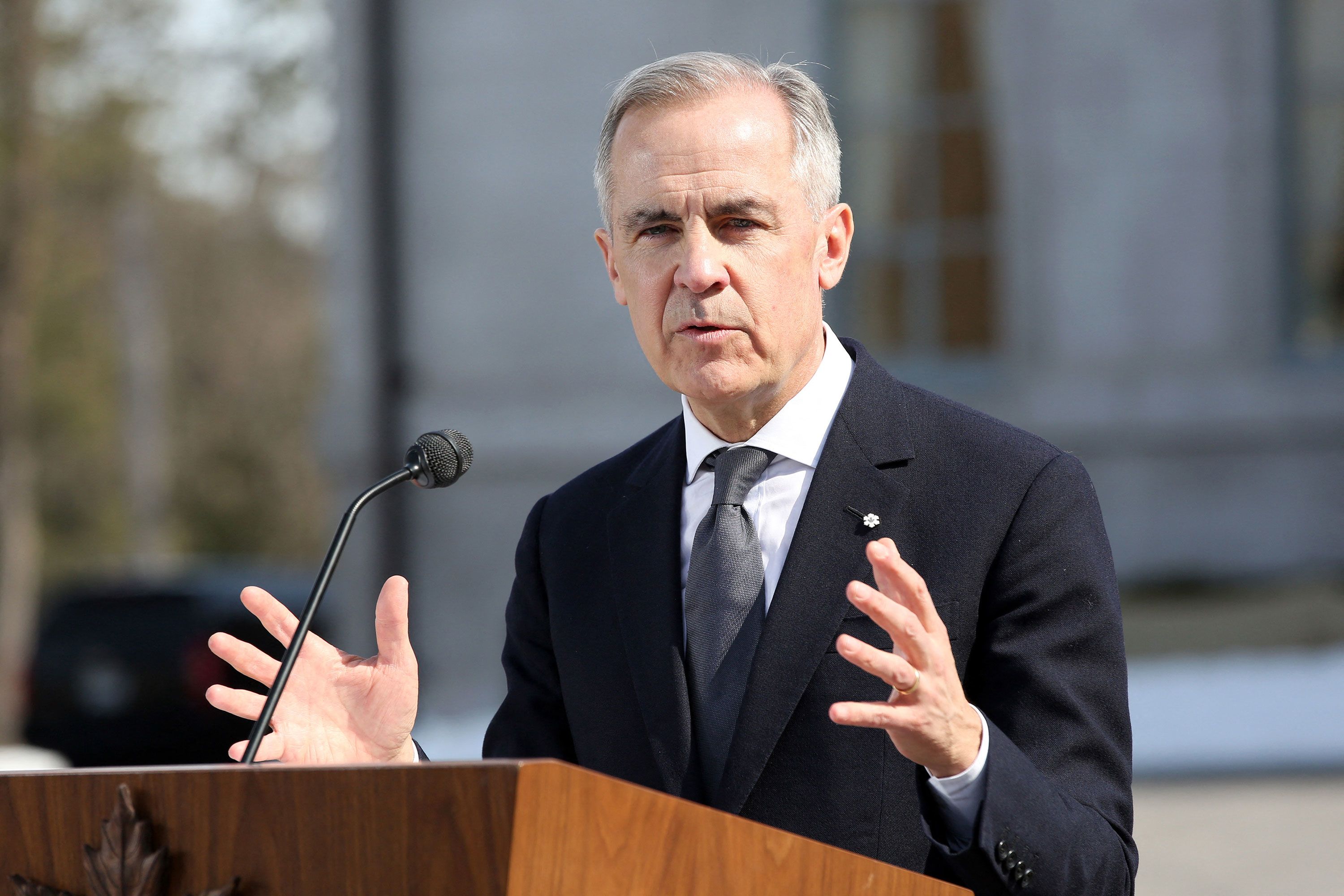
Policy circles are watching closely as Prime Minister Mark Carney’s government delivered a unified refusal that appears to have surprised expectations in Washington of at least incremental compromise. Sources describe the moment not as escalation but as a deliberate assertion of position — underscoring Ottawa’s assessment that leverage now rests more evenly than in prior decades. Insiders frame it as a measured stand rather than outright defiance: not severing dialogue, not closing channels, just declining terms perceived as unbalanced.
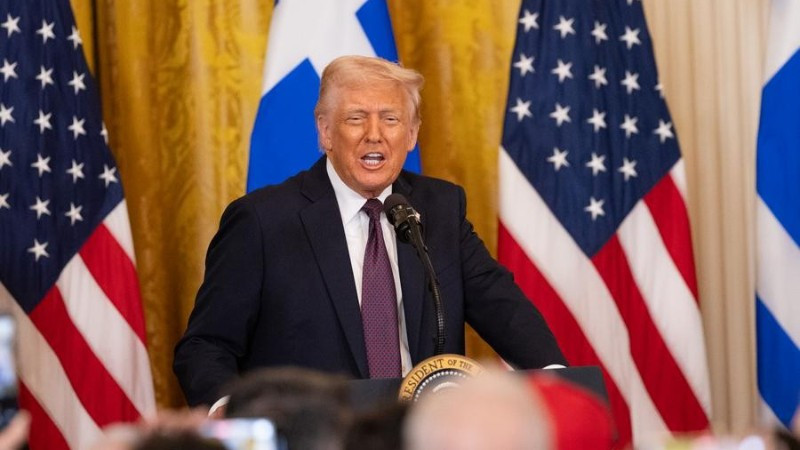
The U.S. list reportedly included requests for adjustments to critical-minerals export controls, modifications to energy and agricultural trade flows, revisions to certain border-security protocols, and commitments on investment screening thresholds. Washington framed the proposals as necessary steps to address perceived imbalances and restore predictability in bilateral economic relations amid ongoing tariff measures and supply-chain strains.
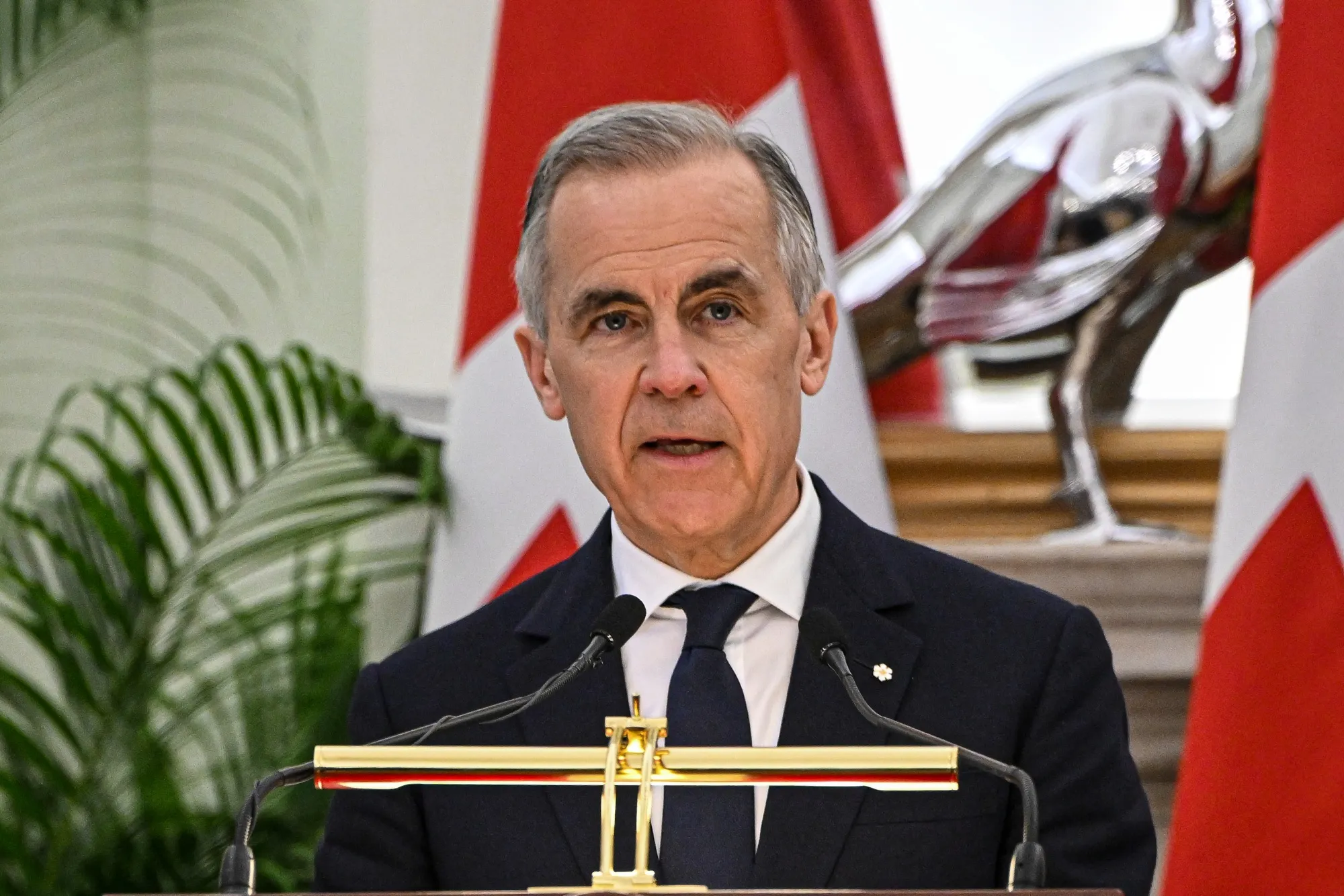
Prime Minister Mark Carney’s government responded that the demands did not align with Canada’s sovereign policy priorities or current negotiating red lines. No counter-offers or phased concessions were extended, and the position was presented as consistent with Ottawa’s emphasis on mutual respect in partnership discussions. Canadian spokespersons reiterated that trade and resource decisions remain domestic prerogatives and that cooperation continues to be conditional on the absence of unilateral pressures.
The exchange follows months of elevated frictions, including U.S. tariffs on Canadian steel, aluminum, automobiles, and select energy products, as well as Canada’s retaliatory duties and export restrictions on certain strategic minerals. Analysts note that the unified refusal contrasts with earlier episodes in which partial accommodations were reached to de-escalate specific sectoral disputes.
Observers point to several contextual factors shaping Ottawa’s stance. Canada has accelerated outreach to alternative markets for minerals and energy, securing long-term offtake agreements with European, Asian, and Indo-Pacific partners. These arrangements have reduced perceived vulnerability to single-market dependence and provided greater negotiating confidence. Domestic political consensus has also solidified around defending resource sovereignty, with broad support across party lines for maintaining control over strategic commodities.
The U.S. side has not publicly detailed the five demands or the immediate diplomatic fallout. Administration officials have continued to emphasize the importance of stable North American supply chains for electric-vehicle manufacturing, defence industries, and critical technologies. Some voices in Washington have described Canada’s position as inflexible, while others have urged renewed engagement to avoid prolonged industrial disruptions.
Economically, the standoff continues to affect integrated sectors. U.S. battery and automotive producers have reported input-cost pressures and production adjustments linked to restricted Canadian mineral flows. Canadian exporters, meanwhile, have seen rising global prices for certain commodities as buyers diversify sourcing. Cross-border trade volumes remain high overall, though targeted categories show measurable declines.
Strategically, the episode illustrates shifting dynamics in resource geopolitics. Critical minerals occupy a bottleneck position in modern industrial and defence systems — essential yet finite and geographically concentrated. Canada’s control over significant reserves and processing capacity confers structural influence that does not depend solely on market size. The rejection reinforces Ottawa’s multi-vector economic diplomacy, which seeks to complement rather than supplant North American integration.
Broader strategic implications are under discussion in both capitals. The exchange highlights evolving dynamics in resource geopolitics, where control over finite inputs such as critical minerals confers structural influence. For Canada, the refusal reinforces a multi-vector approach that complements — rather than replaces — North American integration. For the United States, it underscores challenges in maintaining traditional leverage amid global supply-chain reconfiguration.
Neither government has framed the disagreement as terminal. Joint working groups on technical issues continue, and both sides maintain that dialogue serves shared interests in continental security and economic stability. Implementation of any future adjustments would require mutual agreement within established treaty frameworks.
As the situation develops, attention will likely focus on whether quiet diplomacy can bridge the current impasse or whether sustained positions lead to further supply-chain realignments. The outcome will influence not only bilateral ties but also patterns of cooperation among resource-endowed democracies in an era of strategic competition.