Canada at a Crossroads: Fighter Jets, Sovereignty and a Shifting Trade Map
OTTAWA — When King Carl XVI Gustaf and Queen Queen Silvia arrived in Canada in November 2025, the ceremony carried an unmistakable undercurrent of strategy. Their visit, the first in nearly two decades, coincided with a moment of unusual strain in Canada’s defense planning and trade diplomacy. Behind the pageantry stood executives from Saab and senior ministers, advancing a proposal that could alter not only Canada’s air force, but also its industrial trajectory.
At issue is Canada’s 2022 decision to purchase 88 F-35 fighter jets from Lockheed Martin. The aircraft, known for stealth and digital integration, were selected to replace the aging fleet of CF-18s and to ensure seamless interoperability with the United States and NATO allies. Initially presented as a roughly 19 billion Canadian dollar acquisition, the program’s estimated costs have since risen sharply. By mid-2025, official projections placed the figure closer to 27.7 billion, with some long-term estimates approaching 33 billion once infrastructure, sustainment and weapons packages are included.
The cost growth alone would test any government. But timing and technical uncertainty have compounded the pressure. The Block 4 software and hardware upgrade package — the configuration Canada intends to field — has faced delays and budget overruns in the United States. Full operational capability for Canada’s fleet is not expected until the early 2030s, leaving a protracted transition period during which older aircraft must remain in service.
Supporters of the F-35 argue that the aircraft’s advantages lie not simply in its airframe, but in its digital ecosystem. The jet operates within a centralized logistics and mission data network largely managed in the United States. That architecture enables sophisticated data sharing and collective defense integration. Critics, however, contend that the arrangement embeds long-term technical dependency, raising questions about sovereignty in maintenance, upgrades and operational data management.
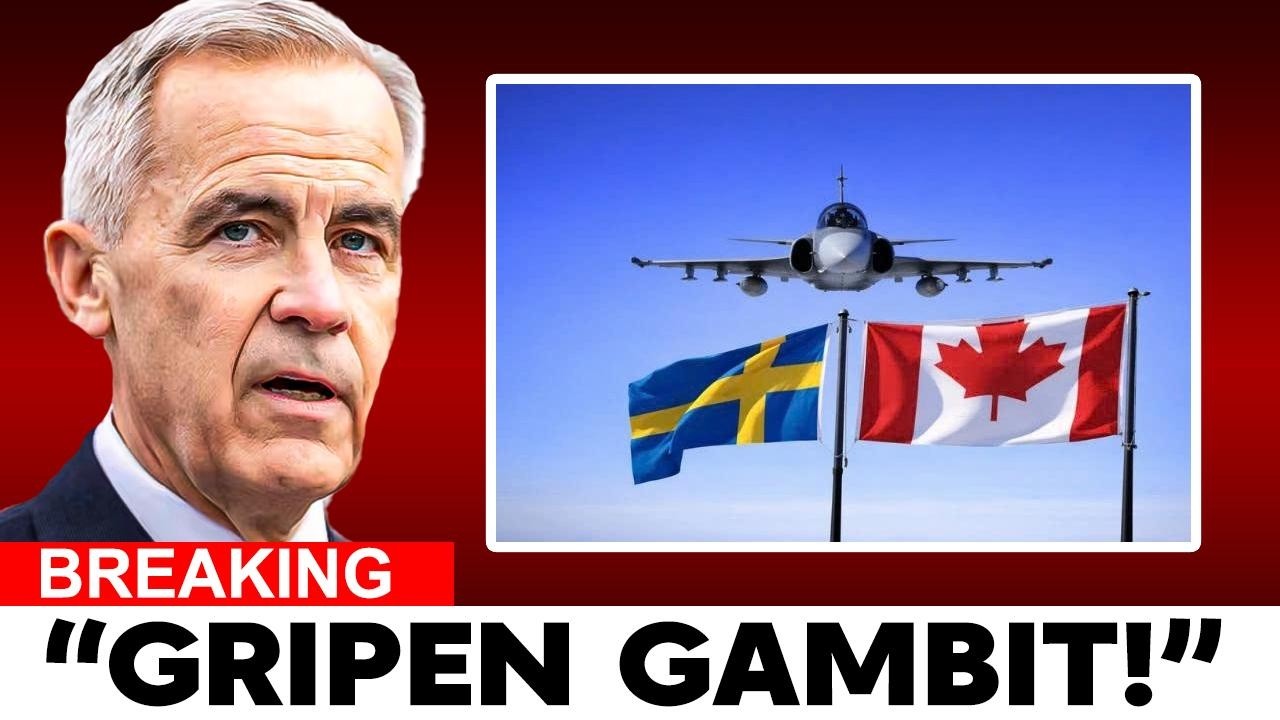
Into that debate has stepped Saab with its JAS 39 Gripen E — a lighter, less stealth-oriented fighter often described as “4.5 generation.” Sweden’s pitch goes beyond performance metrics. The company has proposed assembling the aircraft in Canada in partnership with Bombardier, promising up to 10,000 manufacturing and research jobs. Saab executives have offered significant technology transfer, including domestic capability for upgrades and component production.
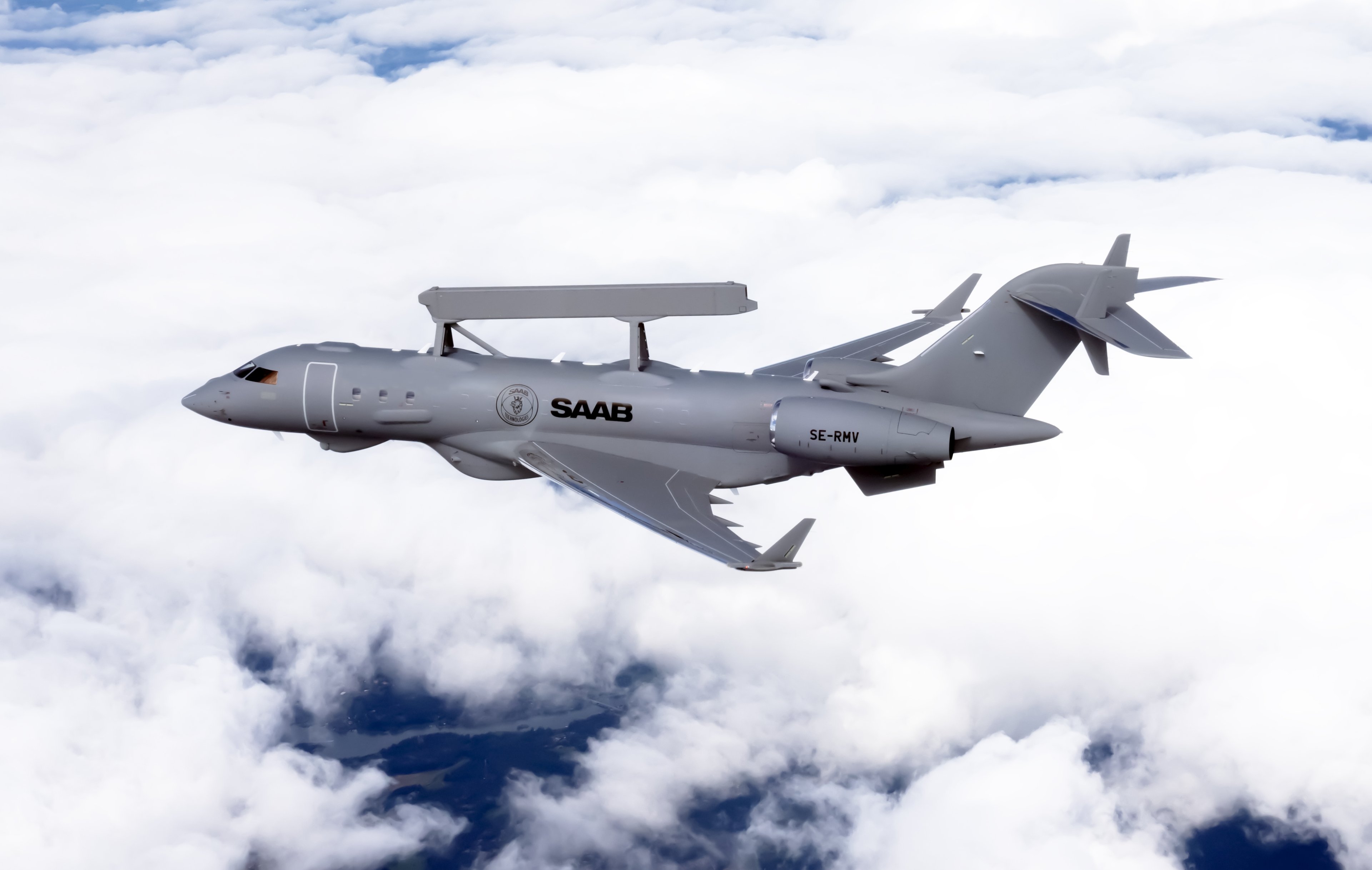
The argument resonates in a country where aerospace is both an economic pillar and a symbol of industrial capacity. Saab and Bombardier have previously collaborated on the GlobalEye airborne early warning platform, demonstrating the feasibility of transatlantic production lines. For advocates of diversification, a Canadian Gripen assembly line would not only generate employment but also tie domestic industry more closely to European defense markets.
Strategic considerations further complicate the calculus. Sweden has signaled potential large-scale sales of Gripen aircraft to Ukraine, potentially exceeding 100 jets. Should that materialize, production capacity would become critical. A Canadian facility could serve both domestic needs and allied demand, linking Ottawa more directly to Europe’s evolving security architecture.
Washington has not remained silent. The United States ambassador to Canada publicly suggested that a reduction in Canada’s F-35 commitment could carry implications for the binational air defense command that has underpinned continental security since 1957. While former Canadian officials have characterized such remarks as political rather than doctrinal, they underscore the delicate balance Canada must maintain within the North American Aerospace Defense Command framework.
Public opinion appears receptive to alternatives. Recent polling indicates broad support for diversifying Canada’s fighter fleet or reconsidering the F-35 altogether. Yet procurement decisions are rarely plebiscitary exercises. They reflect assessments of long-term interoperability, industrial offsets and geopolitical alignment.
Compounding the defense debate is a parallel shift in trade policy. Prime Minister Mark Carney has sought to ease tensions with Beijing following years of strained relations. In January, China announced the suspension of several tariffs on Canadian agricultural products, including canola meal and seafood, while leaving duties on canola seed under review. The partial reprieve offered relief to prairie farmers and signaled a willingness to stabilize economic ties.
Carney has framed the outreach as part of a broader strategy to reduce overreliance on the United States and to diversify Canada’s economic partnerships. During his visit, he pledged expanded access for Chinese electric vehicles under favorable tariff rates, a move that drew scrutiny in Washington but reflected Ottawa’s interest in recalibrating trade flows.
Taken together, the fighter jet review and the trade thaw with China illustrate a government navigating competing imperatives. Closer integration with the United States offers continuity and operational certainty. Greater diversification promises industrial autonomy and geopolitical flexibility. Neither path is without compromise.
Defense procurement is often portrayed as a technical exercise, but in reality it is an expression of national identity. The choice between the F-35 and the Gripen E is less about speed or maneuverability than about how Canada defines partnership in an era of shifting alliances and digital interdependence. As deliveries of the first F-35s approach and negotiations with Saab continue, Ottawa faces a decision that will reverberate far beyond its air bases — shaping its industrial base, its alliances and its sense of sovereignty for decades to come.