In a blistering online broadcast that instantly ricocheted across social media platforms, Andrew Tate unleashed a furious tirade against Prime Minister Keir Starmer, accusing him of deliberate complicity in Britain’s immigration crisis.
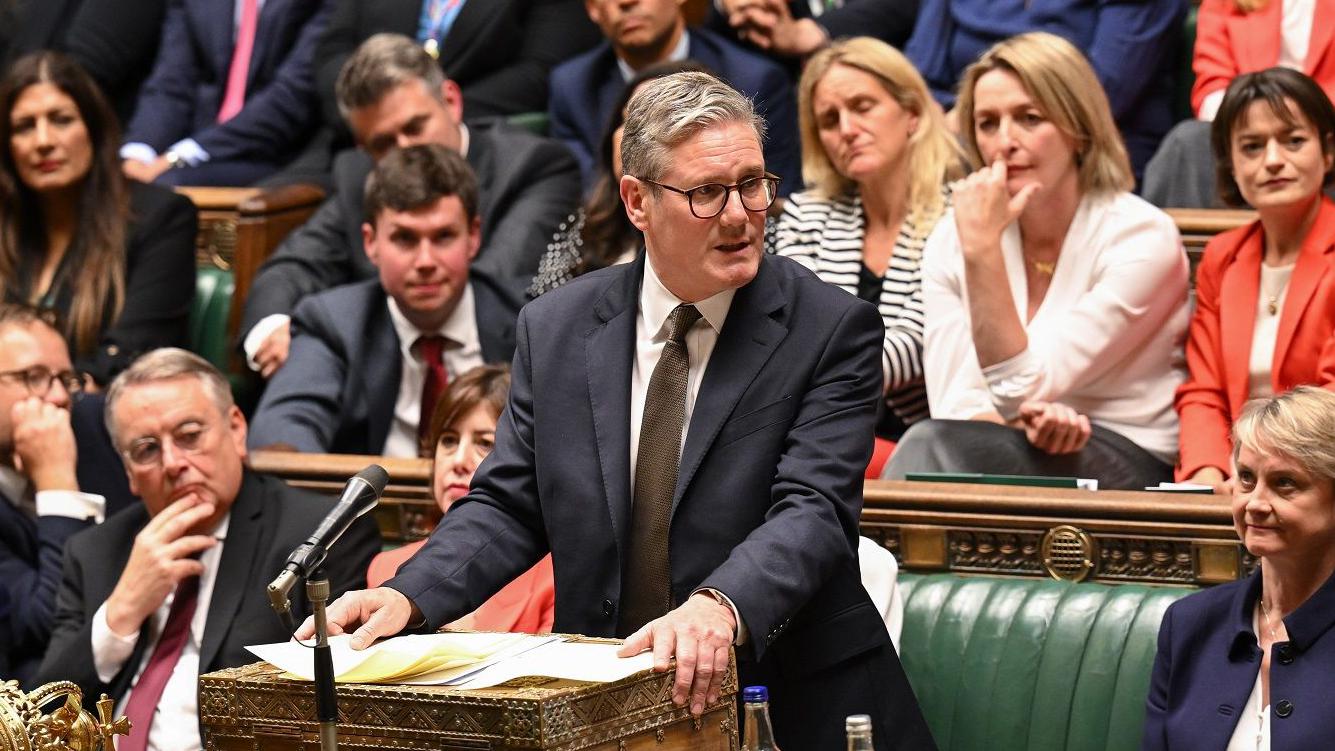
He declared with theatrical intensity that illegal immigration was not administrative incompetence but calculated strategy, alleging that shadowy oligarchs benefit from national instability and weakened democratic resistance.
According to Tate, Starmer is not merely overwhelmed by complex migration pressures, but actively permitting what he described as a controlled demolition of Western civilization’s foundations.
The language was incendiary, designed to provoke outrage and agreement simultaneously, and within hours hashtags featuring both Tate and Starmer surged into trending territory across the United Kingdom.
Supporters hailed the speech as fearless truth telling in an era when, they argue, mainstream politicians avoid confronting uncomfortable realities about borders, sovereignty, and economic strain.
Critics countered immediately that Tate’s claims veered into conspiracy rhetoric, lacking verifiable evidence and oversimplifying an immigration system shaped by international law, humanitarian crises, and economic demand.
Yet the controversy only amplified the reach of his message, with clips edited, remixed, and reposted millions of times by accounts framing him as either a prophet or provocateur.
Tate insisted that elites flood Britain with individuals unlikely to challenge corruption, arguing that demographic change could dilute political accountability and entrench existing power structures indefinitely.
He further alleged that wealthy financiers profit by betting against the pound, purchasing distressed assets, and exploiting societal anxiety triggered by perceived governmental failure.
Such accusations strike at the heart of public trust, because they imply not mismanagement but betrayal by those entrusted with safeguarding national stability and economic resilience.
Political analysts warn that rhetoric portraying immigration as engineered collapse risks inflaming tensions within communities already grappling with housing shortages, public service pressures, and cultural unease.
At the same time, polling consistently shows immigration ranking among voters’ top concerns, giving explosive narratives fertile ground in which to grow and spread rapidly.
Downing Street responded cautiously, emphasizing Britain’s legal obligations, border enforcement initiatives, and ongoing negotiations with European partners to address cross Channel crossings humanely and effectively.
Starmer’s allies argue that complex global displacement trends cannot be reduced to sinister design, pointing instead to wars, climate pressures, and economic disparities driving migration worldwide.
However, Tate dismissed such explanations outright, framing them as convenient cover stories shielding what he calls a cartel of money and influence operating beyond democratic scrutiny.
His assertion that politicians are bought or blackmailed added another combustible layer, insinuating corruption without presenting documentation, yet resonating emotionally with citizens distrustful of political institutions.
The backlash from commentators was swift and fierce, with some labeling the speech reckless fearmongering while others defended it as protected expression challenging entrenched narratives.

Television panels dissected his phrasing word by word, debating whether amplification of such claims empowers extremist thinking or simply reflects frustration boiling beneath the surface.
Meanwhile, supporters organized online spaces celebrating his boldness, sharing personal stories about strained public services and attributing them directly to migration levels.
Opponents organized counter campaigns emphasizing Britain’s historical openness, economic contributions from migrants, and the dangers of scapegoating vulnerable populations during uncertain times.
The confrontation illustrates how digital personalities can now influence national debates once dominated exclusively by elected officials and traditional media gatekeepers.
Yet even rebuttals struggle to extinguish suspicion once it takes root, particularly when economic hardship makes citizens receptive to narratives assigning blame to identifiable actors.
Sociologists observe that conspiracy framed accusations often flourish during periods of perceived loss of control, offering simple explanations for complex and unsettling transformations.
Tate’s rhetoric deliberately simplifies, portraying a binary struggle between ordinary citizens and faceless power brokers manipulating migration flows for profit and domination.
Starmer’s government maintains that border security operations have intensified, asylum processing reforms are underway, and diplomatic partnerships aim to disrupt smuggling networks exploiting vulnerable migrants.
Nevertheless, images of small boats crossing the Channel continue to circulate widely, reinforcing perceptions that official measures remain insufficient or ineffective.
The emotional charge surrounding immigration debates means that any explosive statement, especially from polarizing figures, can magnify existing divides dramatically.
Civil rights advocates caution that rhetoric framing migrants as instruments of elite schemes risks dehumanizing individuals fleeing hardship and undermining Britain’s legal commitments.
Conversely, some community leaders argue that dismissing all criticism as xenophobia prevents honest discussion about infrastructure capacity and social cohesion.
The controversy underscores a broader crisis of confidence in institutions, where accusations once relegated to fringe forums now command mainstream attention within hours.
For younger audiences immersed in influencer culture, Tate’s confrontational style appears authentic compared with cautious political messaging crafted by communications teams.
For older voters, memories of previous moral panics and exaggerated claims inspire skepticism about dramatic narratives lacking substantiated proof.
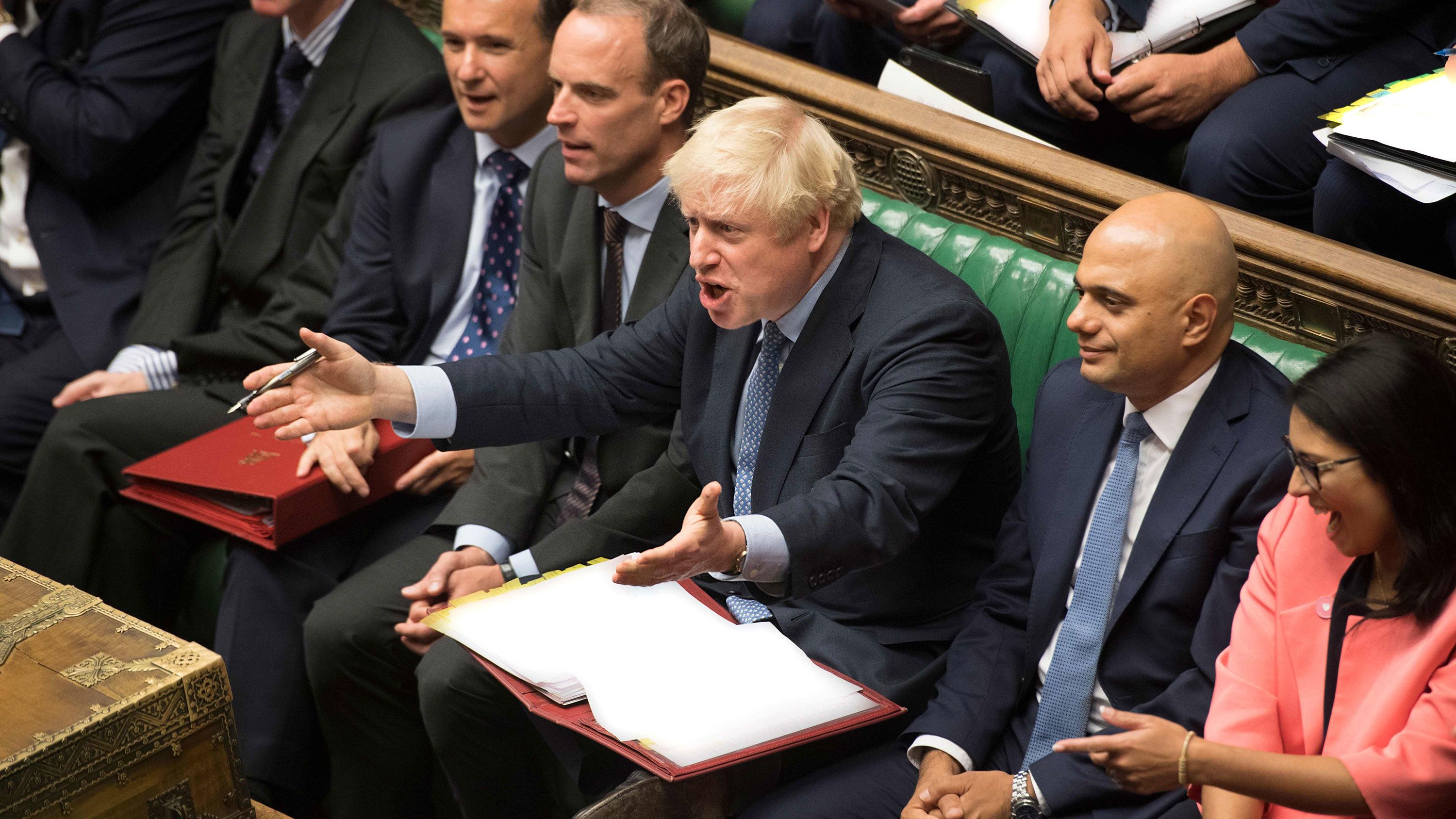
International observers note that Britain is not alone in facing polarized debates over migration, sovereignty, and the role of global capital in national policymaking.
Across Europe and North America, similar accusations circulate, suggesting a transnational pattern of distrust toward governing elites and supranational frameworks.
The risk, analysts warn, lies in debates becoming detached from verifiable data, replaced by emotionally charged assertions resistant to correction.
At the same time, attempts to silence controversial voices often backfire, reinforcing perceptions that establishment forces fear open discussion.
Tate capitalized on this dynamic, portraying anticipated criticism as confirmation that he had struck at hidden truths others dare not articulate publicly.
Starmer’s silence during the initial wave of outrage was interpreted by supporters as dignified restraint and by critics as evasive avoidance.
As days passed, the controversy evolved from a singular rant into a broader referendum on immigration policy, transparency, and the limits of political discourse.
Public forums filled with competing statistics, personal anecdotes, and ideological manifestos, each claiming to represent authentic national interest.
The phrase controlled demolition trended repeatedly, symbolizing how a metaphor can crystallize diffuse anxiety into a memorable, shareable slogan.
Whether one views Tate as whistleblower or provocateur, his intervention undeniably intensified scrutiny of government decisions regarding border management and economic planning.
Scholars caution that democracy depends not only on free speech but also on responsible evidence based argumentation capable of distinguishing suspicion from substantiated fact.
Yet in the algorithm driven marketplace of attention, nuance often struggles against sensational certainty delivered with unwavering confidence.
Britain now finds itself navigating a volatile intersection of influencer activism, political vulnerability, and genuine public concern about immigration’s scale and consequences.
The coming months will test whether constructive dialogue can emerge from confrontation or whether entrenched narratives harden further into mutually exclusive realities.
For millions who feel unheard, Tate’s thunderous accusations echo their frustrations powerfully, regardless of evidentiary gaps highlighted by critics.
For others, the episode exemplifies how incendiary rhetoric can distort complex challenges and deepen mistrust without offering workable solutions.
What remains undeniable is that a single explosive broadcast ignited a nationwide debate reverberating through Parliament, media studios, and living rooms alike.
As Britain wrestles with competing visions of sovereignty, compassion, and economic survival, the demand for clarity grows louder than ever before.
The ultimate verdict on Tate’s claims will rest not in viral clips but in transparent policy outcomes, measurable data, and democratic accountability tested over time.
Until then, the controversy stands as a vivid illustration of how modern political battles unfold in real time, fueled by outrage, amplified by algorithms, and watched by a divided nation holding its breath.