After 52 Years, Canada and India Reopen a Nuclear Door Once Slammed Shut
NEW DELHI — In a ceremony that would have been unthinkable for half a century, Canada and India on Tuesday signed a $2.6 billion agreement for the long-term supply of uranium, formally reopening a nuclear relationship that collapsed in anger and mistrust in 1974.
The deal, between Saskatchewan-based Cameco and India’s nuclear authorities, commits Canada to deliver 22 million pounds of uranium concentrate to fuel Indian reactors from 2027 through 2035. The contract stretches beyond the tenure of any single American president and signals a broader strategic realignment at a moment of strain in Ottawa’s relations with Washington.
But the uranium agreement was only the centerpiece of a larger package. In total, Canadian and Indian officials announced roughly $5.5 billion in commercial commitments spanning mining, pharmaceuticals, food processing and technology investment. Among them: expanded coal exports from British Columbia, a $155 million pharmaceutical plant expansion in Quebec financed by Indian capital, a $135 million potato processing project and new Indian technology research centers expected to create more than 2,000 jobs in Calgary, Mississauga and Vancouver.
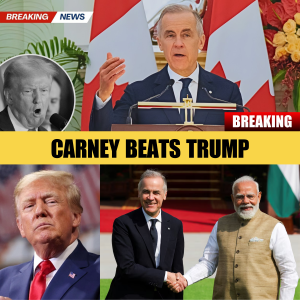
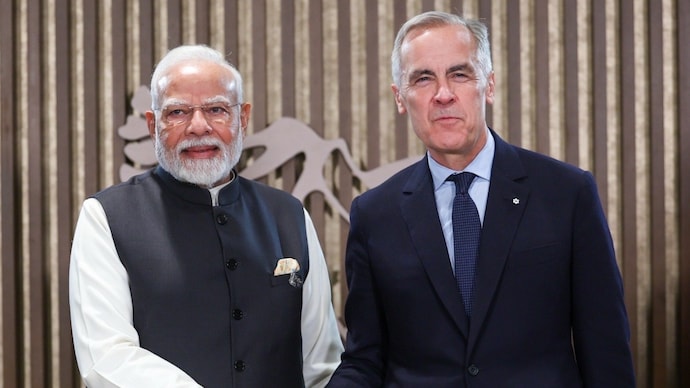
Standing beside Prime Minister Mark Carney, India’s leader, Narendra Modi, framed the agreements as part of a deeper reset. Canadian officials described more bilateral engagement over the past year than in the previous two decades combined.
The symbolism is as important as the economics.
In the 1950s and 1960s, Canada was instrumental in helping India establish its civilian nuclear program. Canadian-designed reactors and fuel shipments laid the technical foundation for India’s early nuclear infrastructure. That cooperation came to an abrupt halt on May 18, 1974, when India detonated a nuclear device in the Rajasthan desert in a test code-named Smiling Buddha.
Canada concluded that plutonium derived from a Canadian-supplied research reactor had been diverted for military purposes. Ottawa cut off nuclear assistance and fuel supplies, and nuclear ties between the two countries effectively froze for more than five decades.
That history makes the new uranium contract striking. The two governments did not return to cooperation out of sentimentality; they did so amid shifting geopolitical pressures and economic calculation.
Canada has long depended heavily on the United States as an export market, with roughly three-quarters of its goods historically flowing south across the border. Trade frictions in recent years — including tariffs on steel, aluminum, lumber and automotive components — underscored the vulnerability inherent in that concentration. At the same time, rhetorical barbs from Washington have unsettled Canadian policymakers and business leaders who once assumed stability as a given.
India, for its part, faces an energy imperative of daunting scale. With a population exceeding 1.4 billion and electricity demand projected to surge through mid-century, New Delhi has sought to diversify its fuel sources. Domestic uranium production covers only a fraction of reactor requirements, and geopolitical tensions have complicated reliance on certain suppliers.
The convergence of those needs has reshaped a relationship that until recently appeared strained. Just three years ago, diplomatic expulsions and accusations over a killing on Canadian soil had chilled ties. Trade talks stalled. High-level visits were rare.
Now both governments are speaking openly about negotiating a comprehensive economic partnership agreement by year’s end, with a target of doubling bilateral trade to $70 billion annually by 2030. Beyond uranium, officials have signaled interest in collaboration on natural gas, critical minerals, advanced nuclear technology and even defense cooperation.
For Canada, diversification is the operative word. Each new market reduces exposure to political volatility in any single capital. For India, the appeal lies in securing reliable supplies from a country with established regulatory frameworks and abundant resources.
None of this means that Canada is disengaging from the United States; the American market remains indispensable. But the tenor has shifted from dependence to hedging. As one Canadian official privately observed, building alternatives is not an act of punishment but of insurance.
The uranium contract’s timeline underscores that logic. Beginning in 2027 and running through 2035, it embeds commercial ties that will outlast electoral cycles in Washington and Ottawa alike. Such agreements create constituencies — workers, investors, regional governments — with a stake in continuity.
History rarely moves in straight lines. A relationship shattered by mistrust in 1974 has reemerged under the pressure of 21st-century geopolitics. Whether this renewal proves durable will depend on safeguards, transparency and the broader diplomatic climate. But for now, Canada and India have chosen pragmatism over grievance.
In international affairs, that may be the most consequential shift of all.