Carney’s Doctrine of Strategic Autonomy Signals a New Phase in Canada’s Global Strategy
When Prime Minister Mark Carney arrived in Mumbai in late February, the visit was framed as a routine diplomatic engagement — meetings on trade, energy, artificial intelligence and defense. In reality, it was something more consequential: the public unveiling of a strategic recalibration that may redefine Canada’s place in the global order.
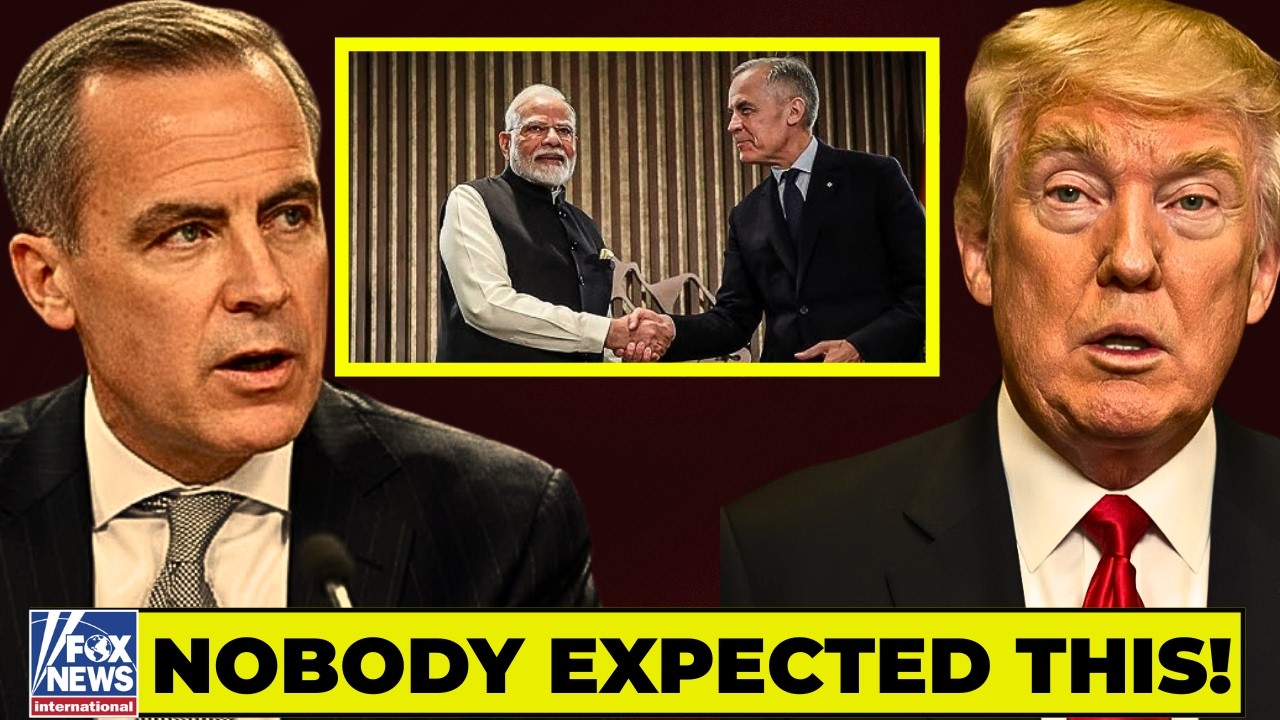
Standing alongside Prime Minister Narendra Modi, Carney announced a landmark partnership on critical minerals and technology and confirmed that negotiations toward a comprehensive economic partnership agreement were underway. The ambition is striking. Ottawa and New Delhi aim to more than double two-way trade to $51 billion by 2030, with a deal signed by the end of this year.
For Canada, the numbers are not merely aspirational. They are structural. In 2024, more than 75 percent of Canadian exports flowed to the United States, with two-way trade exceeding $900 billion. That depth of integration, long seen as a stabilizing advantage, has in recent years revealed its vulnerabilities.
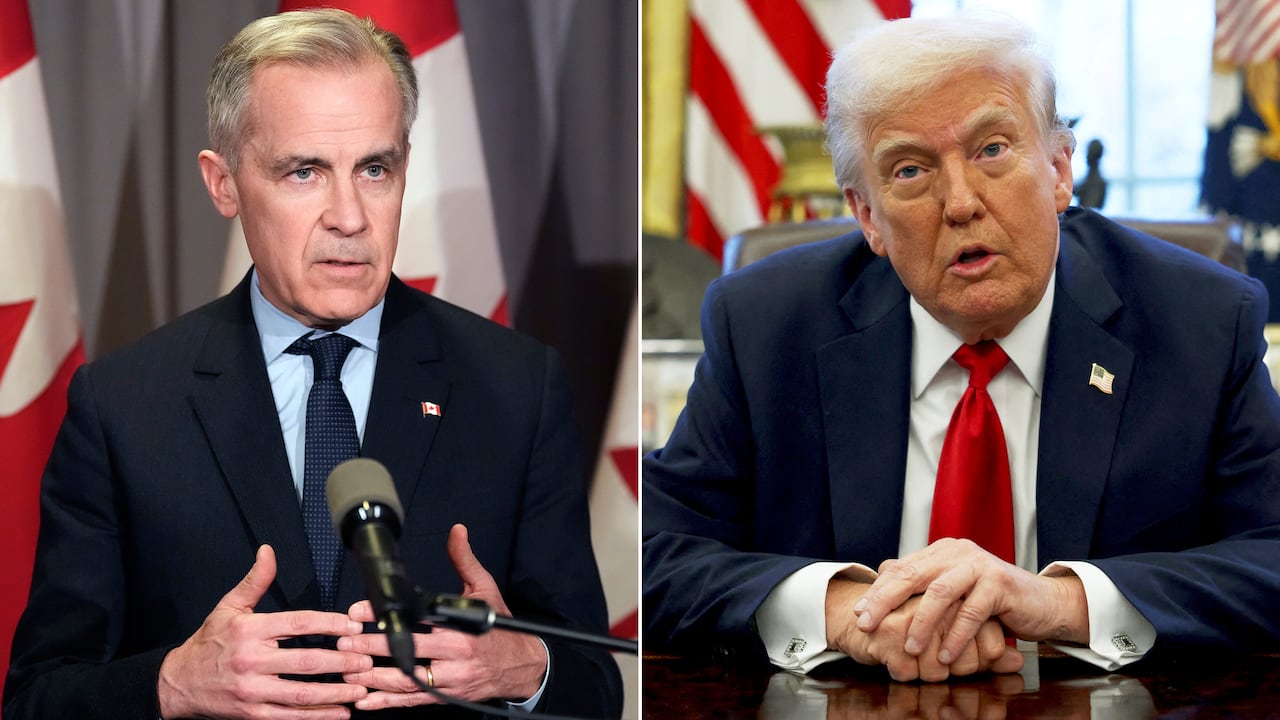
Under President Donald Trump, targeted tariffs on steel, aluminum and automotive components have unsettled Canadian industries. Though the United States–Mexico–Canada Agreement still keeps most cross-border trade tariff-free, the unpredictability of American policy has introduced a persistent risk premium into Canadian investment decisions.
Carney’s answer is neither retaliation nor retreat. It is diversification at scale.
In Mumbai, he described the visit as marking “the end of a challenging period and the beginning of a more ambitious partnership between two confident and complementary nations.” The statement carried additional weight given that it was the first bilateral visit by a Canadian prime minister to India in eight years, following a rupture in relations in 2023.
But beyond diplomatic repair lies doctrine. Weeks earlier at the World Economic Forum in Davos, Carney articulated what observers have begun to call a theory of “value-based realism.” He argued that great powers increasingly wield economic integration as a strategic weapon — using tariffs as leverage, financial systems as instruments of coercion and supply chains as pressure points. When integration becomes a source of subordination rather than mutual benefit, he warned, countries must protect themselves.
The phrase that resonated most widely was stark: When rules no longer protect you, you must protect yourself.
Protection, in Carney’s telling, does not mean isolation. It means resilience. Since taking office, his government has cut taxes on income, capital gains and business investment. It introduced a 100 percent “super deduction” for investments in manufacturing assets, research and development, clean energy and electric vehicles. Investment tax credits now extend across the clean electricity chain, from critical minerals to storage.
Domestic capacity is the first pillar. International coordination is the second.
India, Australia and Japan — each a significant middle power with complex ties to Washington — form the backbone of this strategy. After Mumbai and New Delhi, Carney traveled to Sydney and Tokyo, underscoring that the effort is regional rather than bilateral. Canada’s objective, he has said, is to double non-U.S. exports within a decade.
The underlying logic is clear. Great powers can afford to negotiate alone; their markets and militaries grant them leverage. Middle powers cannot. If they bargain individually with a hegemon, they compete for accommodation. If they coordinate, leverage shifts.
This is not an anti-American manifesto. Canada remains deeply intertwined with the United States economically, culturally and strategically. But Carney’s posture reflects a sober assessment of contemporary geopolitics: multilateral institutions — the World Trade Organization, the United Nations, global climate frameworks — are under strain. The rules-based order is no longer self-enforcing.
In that environment, consistency matters. Carney has cautioned middle powers against condemning coercion from one direction while ignoring it from another. Durable coalitions, he argues, require shared standards.
India presents both opportunity and complexity. In 2024, it was Canada’s seventh-largest trading partner, with $30.8 billion in two-way trade. Canadian pension and wealth funds have invested an estimated $73 billion in the Indian economy, underscoring the depth of financial ties. Yet negotiations will have to bridge differences over agriculture, digital trade, labor mobility and sustainable development.
Still, the urgency is mutual. India, too, faces the economic reverberations of American tariff policies. Both Ottawa and New Delhi seek greater strategic autonomy — in energy, critical minerals and supply chains — without severing ties to Washington.
Carney’s wager is that coordination among middle powers can temper the asymmetries of an era defined by great-power rivalry. Canada, he has insisted, will not “pay for access” nor accept subordination disguised as partnership. Instead, it will build leverage through diversification and collective action.
Whether this approach succeeds depends less on rhetoric than on execution. Trade agreements must be concluded, supply chains reoriented and domestic industries strengthened. Diversification at the scale envisioned will take years.
But the signal is unmistakable. Canada no longer sees resilience as optional. It sees it as prerequisite.
If the old order no longer protects middle powers, Carney has concluded, they must help construct a new one — with or without American approval.