The Ninety Minutes That Changed Iran
By late morning in Tehran, the unthinkable had become reality.
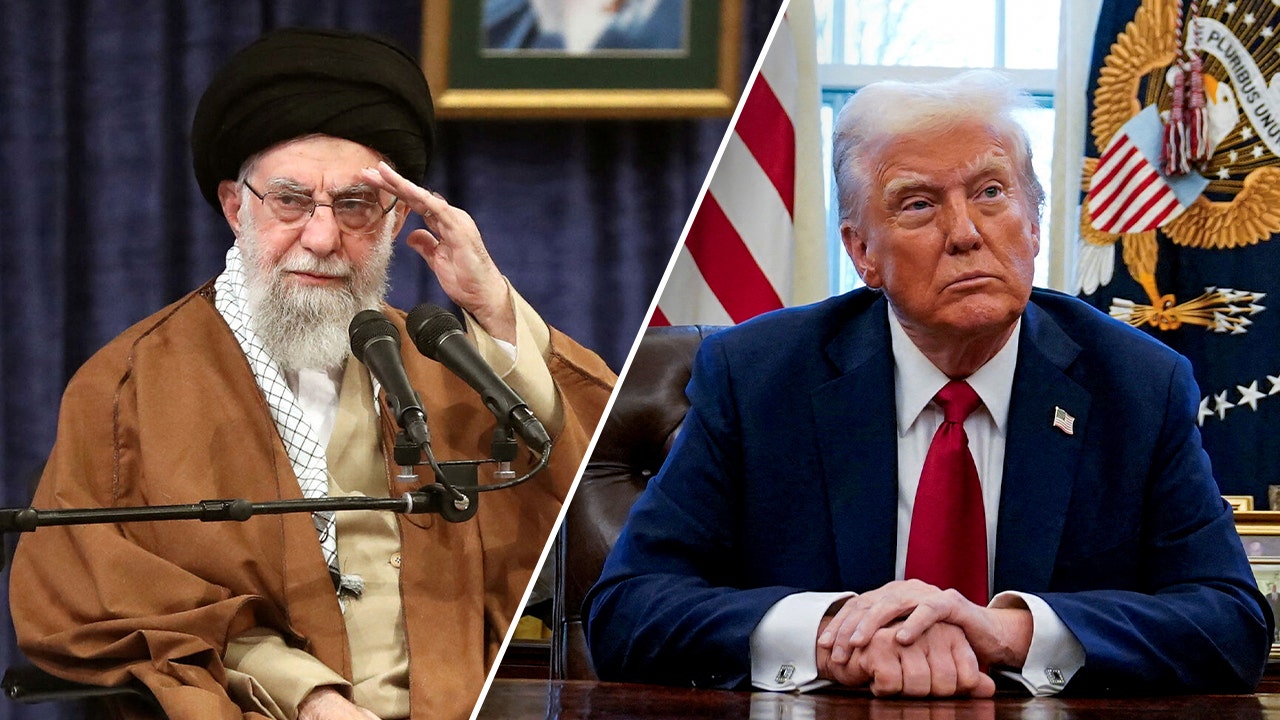
According to multiple international reports, Iran’s Supreme Leader, Ayatollah Ali Khamenei, was killed in a coordinated strike that unfolded over roughly 90 minutes — an operation that analysts say may mark one of the most consequential turning points in the modern Middle East.
The morning began routinely enough. At approximately 9:27 a.m. Tehran time, Khamenei was inside a heavily fortified leadership compound in central Tehran, engaged in a closed-door meeting with senior commanders of the Islamic Revolutionary Guard Corps. The discussion, officials later suggested, centered on escalating regional tensions and intelligence warnings of possible external action.
Three minutes later, Iranian radar systems began detecting anomalies: cruise missiles, stealth aircraft signatures and electronic interference consistent with sophisticated jamming operations. By 9:34 a.m., explosions struck military installations on the outskirts of the capital. Precision guided munitions targeted radar arrays and communications nodes, degrading Iran’s air defense network within minutes.
Air raid sirens sounded in parts of Tehran, though not uniformly. Inside the leadership compound, aides reportedly urged the Supreme Leader to relocate to an underground bunker — a standard protocol during high-risk scenarios. He declined.
At 9:41 a.m., according to defense analysts briefed on the strike, targeting systems locked onto the leadership complex itself. The compound, which housed administrative offices and secure communications facilities, had long been regarded as hardened infrastructure. Four minutes later, at approximately 9:45 a.m., multiple precision strikes hit the site.
Witnesses described a fireball rising above the skyline. Windows shattered across nearby neighborhoods. Security feeds from the compound went dark.
Emergency responders reached the area within minutes but encountered collapsed structures and blocked entrances. Internal communications were down. Early casualty assessments suggested several senior IRGC officials had been killed. There was, at first, no confirmation regarding Khamenei’s fate.
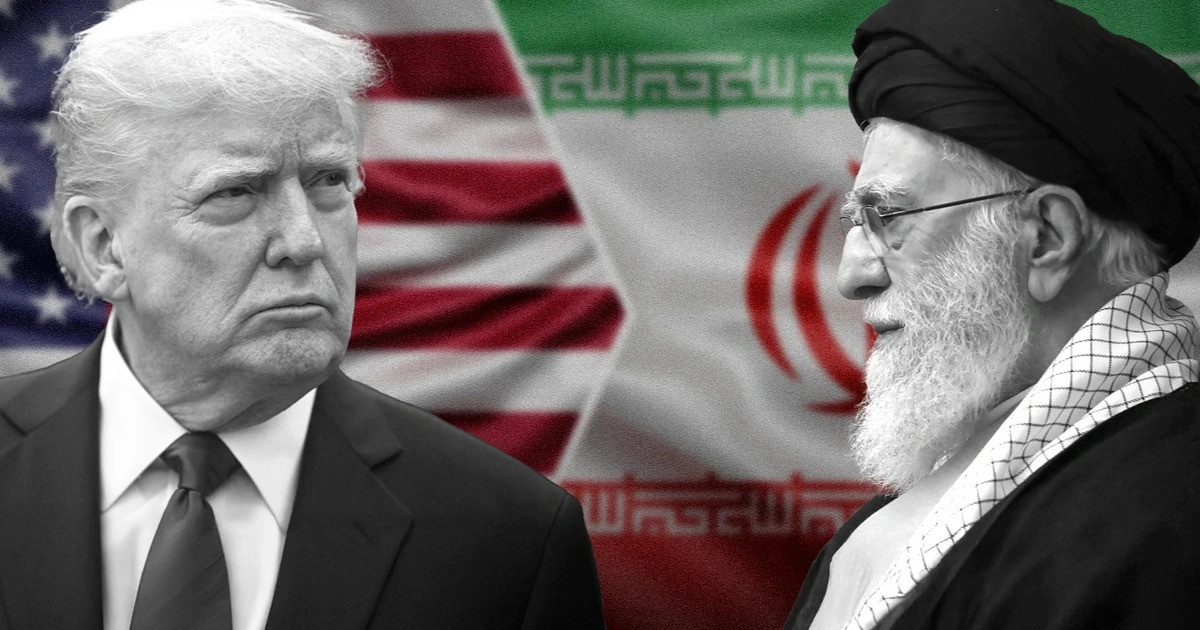
By 10 a.m., that uncertainty had ended behind closed doors. Iranian officials acknowledged privately that the Supreme Leader had been inside the administrative wing at the time of impact and had not evacuated. Within minutes, central Tehran was sealed off. Mobile networks were disrupted. Internet access slowed or stopped entirely in parts of the capital.
Shortly thereafter, global media outlets began reporting that U.S. officials had confirmed the strike eliminated Iran’s top leadership figure. Iranian state television later announced Khamenei’s death, characterizing the operation as direct aggression by American and Israeli forces. A 40-day national mourning period was declared, and the Assembly of Experts was summoned to initiate the constitutional succession process.
Missile launches were detected by 10:13 a.m., heading toward U.S. regional assets. Airspace closures rippled across the Gulf. Oil markets reacted within hours, spiking sharply amid fears of wider escalation. Diplomatic channels across Europe and Asia scrambled to assess the risk of broader war.
The speed of events — 90 minutes from first detection to confirmation — stunned even seasoned observers of the region.
For more than three decades, Khamenei stood at the apex of Iran’s political and military system. As Supreme Leader since 1989, he shaped the country’s strategic posture, oversaw its nuclear program and directed its network of regional allies. His authority extended over the armed forces, the judiciary and the intelligence services. Though Iran’s presidency and parliament manage day-to-day governance, ultimate decision-making in matters of war and peace flowed through his office.
The question now confronting analysts is how such a fortified figure became vulnerable.
Several defense experts point to operational complacency. During prior crises, Khamenei often relocated to secure underground facilities. This time, despite intelligence warnings of imminent threats, he remained above ground in a predictable location, attending a scheduled meeting with senior commanders. In an era of precision surveillance and real-time intelligence sharing, predictability can be perilous.
“The strike appears to have relied on precise timing and high-confidence intelligence,” said one former Western military official familiar with regional targeting doctrines. “When leadership patterns become known, the window of vulnerability narrows dramatically.”
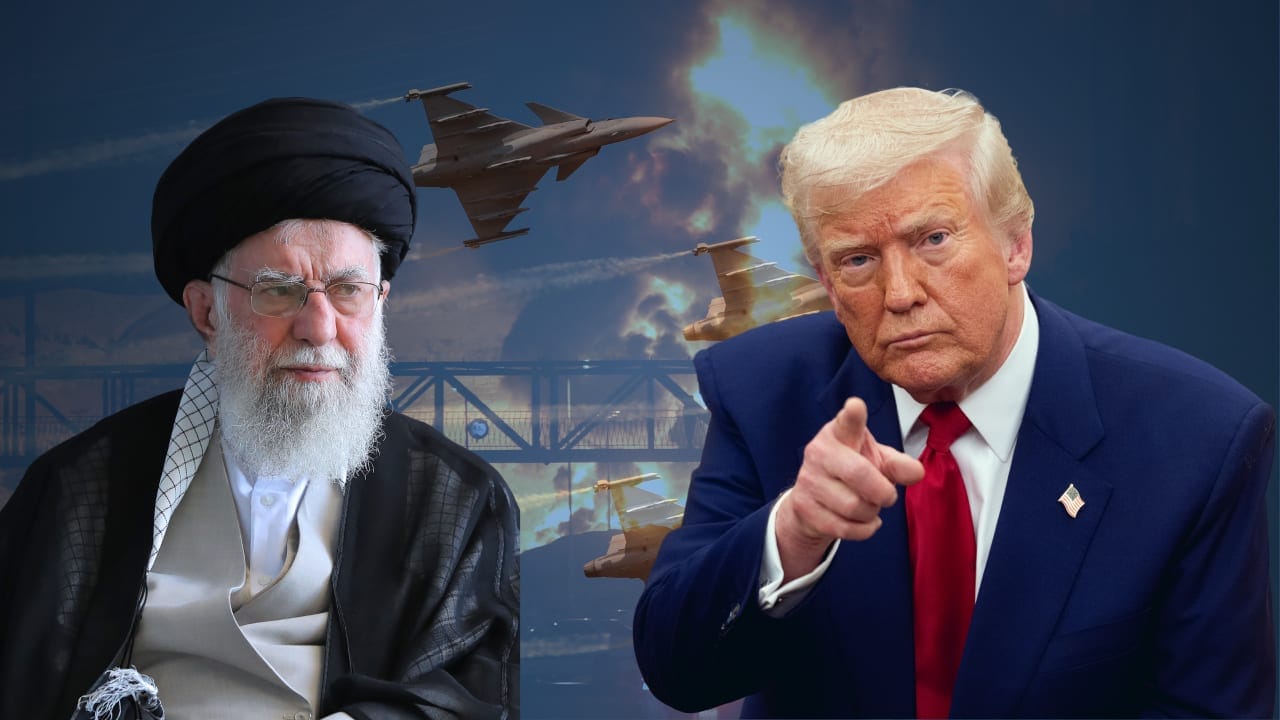
Whether the operation will deter future escalation or accelerate it remains uncertain. Iran’s military retains significant ballistic missile capabilities and an extensive network of regional partners. The succession process itself could introduce further instability, as political factions maneuver within the constraints of Iran’s constitutional framework.
Beyond immediate retaliation risks, the strategic implications are profound. The removal of a Supreme Leader is not merely the elimination of an individual; it is a shock to the ideological and command structure of the Islamic Republic. The Middle East has witnessed assassinations before — of generals, scientists and militia leaders — but rarely at this level of authority.
Diplomats are already warning that miscalculation in the coming days could broaden the conflict. Energy markets, shipping lanes and regional security architectures hang in a delicate balance.
Ninety minutes altered a political order that had endured for decades. In Tehran, the smoke has cleared, but the consequences are only beginning to unfold.