Trump Launches Military Strikes on Iran as Mark Carney’s Response Sparks Debate Over Canada’s Foreign Policy
U.S. President Donald Trump has announced major military operations targeting sites in Iran, marking one of the most dramatic escalations in U.S.–Iran tensions in recent years. In a nationally televised address, Trump stated that American forces began “major combat operations” with the objective of countering what he described as imminent threats from the Iranian regime. The announcement immediately drew global attention, with analysts warning of significant geopolitical consequences across the Middle East and beyond.

The move has reignited scrutiny over Trump’s past statements on Iran. Over the years, he repeatedly criticized former President Barack Obama for what he claimed could become a politically motivated war with Tehran. Critics now point to those earlier remarks as a sharp contrast to the current military action. Supporters, however, argue that the latest decision reflects a shift in threat assessments rather than political calculation, emphasizing national security concerns tied to Iran’s nuclear ambitions and regional activities.
Reports indicate that the strikes, described as part of a coordinated operation involving U.S. and Israeli forces, targeted multiple locations across Iran. Iranian authorities have reportedly closed airspace and signaled that a response would follow. The situation remains fluid, with regional powers closely monitoring developments. Security experts caution that even limited operations could trigger broader instability, disrupt energy markets, and impact global diplomatic alignments.
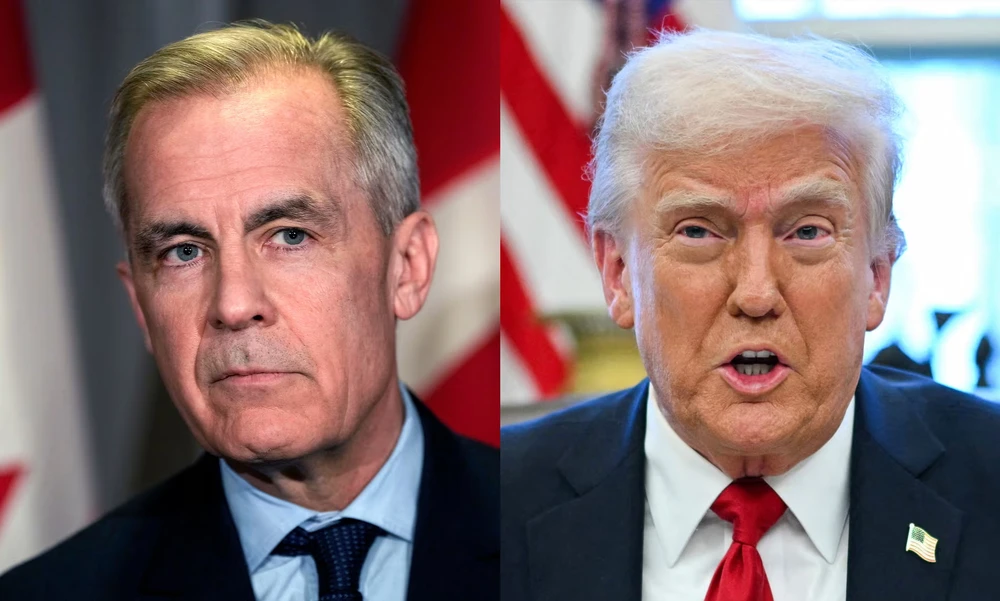
The escalation has also sparked conversation in Canada. Prime Minister Mark Carney, who previously delivered remarks at the World Economic Forum in Davos about reassessing traditional alliances and addressing inconsistencies in global leadership rhetoric, issued a statement following the strikes. Canada reaffirmed concerns about Iran’s nuclear program and regional activities while urging the protection of civilians and calling for stability. His response has generated discussion about how Ottawa balances alliance commitments with its stated vision of a more independent foreign policy posture.
Observers note that Carney’s position reflects a complex diplomatic landscape. Canada has long aligned with Western partners on issues involving Iran, including sanctions and security policy. At the same time, Carney’s Davos speech highlighted the importance of confronting “gaps between rhetoric and reality” in global governance. The current crisis places those themes under renewed examination, as policymakers navigate both alliance cohesion and evolving geopolitical risks.
As tensions continue to rise, the broader implications remain uncertain. The unfolding events could reshape regional security calculations, test diplomatic channels, and influence domestic political debates in both Washington and Ottawa. With military operations underway and international reactions still emerging, the coming days may prove pivotal in determining whether this moment leads to deeper conflict or renewed efforts at negotiation.