Standing before an audience of business leaders and policymakers in Mumbai, Prime Minister Mark Carney delivered what was formally billed as an economic address on Canada’s Indo-Pacific strategy. In substance, it amounted to something broader: a carefully constructed critique of the global trade environment shaped in recent years by President Donald Trump’s tariff policies — and a declaration that Canada intends to chart a more autonomous course.
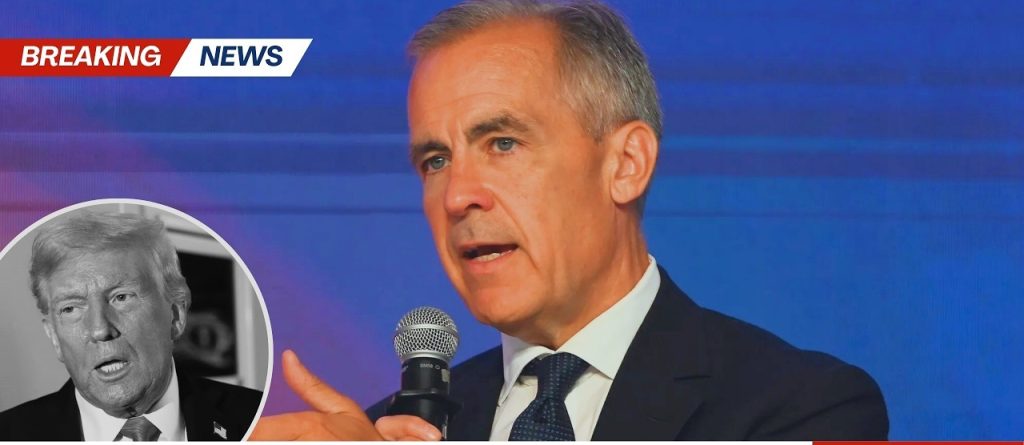
Mr. Carney did not mention Mr. Trump by name. He did not need to. Instead, he described a world in which “tariffs are used as leverage, financial infrastructure as coercion, and supply chains as vulnerabilities to be exploited.” The phrasing was measured, almost clinical. Yet the implication was unmistakable. As the United States has increasingly framed market access as a bargaining chip, Canada, he suggested, must reduce its exposure to that volatility.
The speech, Mr. Carney’s first major address in India since taking office, comes at a delicate moment in global trade. Washington has floated the possibility of new baseline tariffs on a range of imports, including steel, aluminum and pharmaceuticals. While some measures remain under legal and procedural review, the cumulative effect has been uncertainty — a factor that weighs heavily on middle powers whose economies are deeply integrated with the American market.
“The impulse toward strategic autonomy is understandable,” Mr. Carney said. “When the rules no longer protect you, you must protect yourself.” In diplomatic language, it was a reframing of the debate. Rather than denounce the United States outright, he cast Canada’s response as pragmatic adaptation to structural change. Countries, he argued, must ensure they can “feed themselves, fuel themselves and defend themselves” in a world where multilateral institutions face strain.
The venue amplified the message. India, now among the world’s fastest-growing major economies, is seeking to expand its own industrial base and diversify trade partnerships. By positioning Canada as a partner in that effort — and by announcing progress on a bilateral trade agreement reducing or eliminating tariffs on the vast majority of Canadian exports to Indonesia earlier in the week — Mr. Carney signaled that Ottawa is pursuing a broader Indo-Pacific strategy designed to dilute reliance on any single market.
During a question-and-answer session, a reporter pressed Mr. Carney on whether Canadians should accept that access to the American market may now carry a permanent price in the form of tariffs. He acknowledged that Mr. Trump has been clear about expecting partners to “pay for access,” whether through duties, regulatory adjustments or investment commitments in the United States. But he cautioned that many such measures are temporary by design and that longer-term trade frameworks will ultimately shape outcomes.

What distinguished the address was not rhetorical escalation but economic positioning. Mr. Carney outlined domestic reforms aimed at strengthening Canada’s competitiveness: accelerated project approvals, expanded investment tax credits across clean energy and critical minerals, and what he described as a “super deduction” allowing full write-offs for a range of capital investments. According to government estimates, these measures would reduce Canada’s marginal effective tax rate on new investment to below that of the United States and well under the Group of 7 average.
Supporters see the approach as a strategic counterweight to tariff risk. “If you can’t control another country’s trade policy, you can control your own investment climate,” said one former Canadian trade negotiator. Critics, however, question whether diversification can realistically offset the gravitational pull of the U.S. economy, which accounts for roughly three-quarters of Canada’s merchandise exports. Even modest shifts in American demand can ripple quickly through Canadian manufacturing and energy sectors.
The speech also carried geopolitical undertones. Mr. Carney spoke of a “rupture” in the global order, citing crises in finance, health, energy and geopolitics that have exposed the vulnerabilities of extreme integration. The reference to multilateral institutions — the World Trade Organization, the United Nations climate framework — underscored his argument that traditional guardrails are under stress. In that context, strategic autonomy is not isolation, he suggested, but diversification among reliable partners.
For Washington, the remarks present a subtle challenge. Canada remains a close security ally under NATO and NORAD, and Mr. Carney emphasized cooperation on Ukraine and defense modernization. Yet by articulating a doctrine of resilience beyond dependence, he signaled that Ottawa is prepared to recalibrate economic ties if necessary. U.S. officials have responded cautiously in public, but policy analysts note that speeches delivered on prominent international stages can shape investor perceptions and alliance expectations alike.
Whether Mr. Carney’s strategy will insulate Canada from the next wave of trade friction remains uncertain. Tariffs, once imposed, can linger; supply chains, once rerouted, can calcify. Still, the address in Mumbai marked a moment of strategic clarity. Rather than frame Canada as a victim of shifting American policy, Mr. Carney cast it as an architect of alternative partnerships.
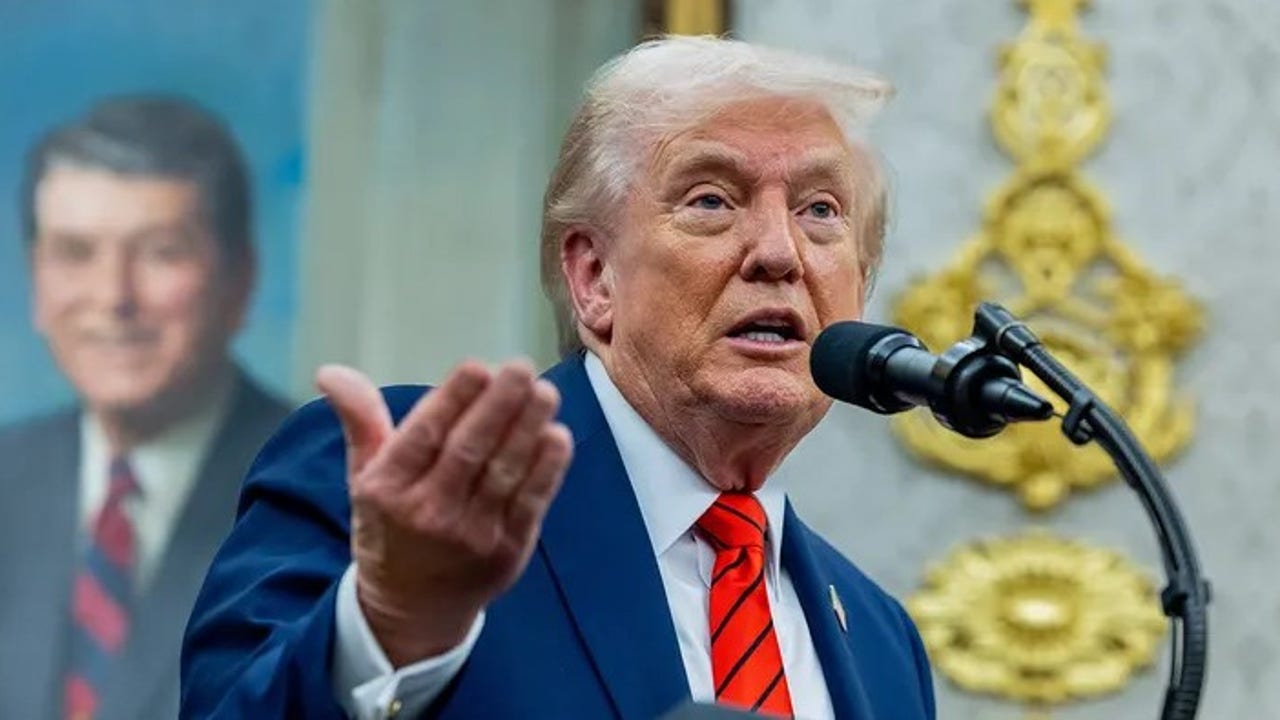
In an era when economic power is increasingly intertwined with political leverage, that distinction may prove consequential. The question is not only how Canada responds to tariff threats, but whether its pursuit of strategic autonomy can translate from speech to sustained structural change. As the 2026 review of the United States–Mexico–Canada Agreement approaches, the answer will carry implications far beyond one podium in India.