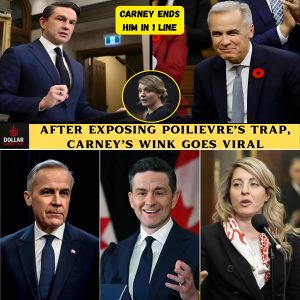
1 MIN AGO: CARNEY FIRES BACK AT TRUMP’S BRIDGE THREAT — WASHINGTON DIDN’T SEE THIS COMING
Donald Trump triggered a fresh wave of tension with Canada after publicly threatening to block the opening of the Gordie Howe International Bridge, a $6.4 billion crossing designed to link Detroit, Michigan, with Windsor, Ontario. The bridge, funded entirely by Canada and nearly complete after more than a decade of planning, was suddenly pulled into a political storm over trade leverage, national pride, and cross-border power. What followed was not a shouting match—but a calculated response that caught Washington off guard.
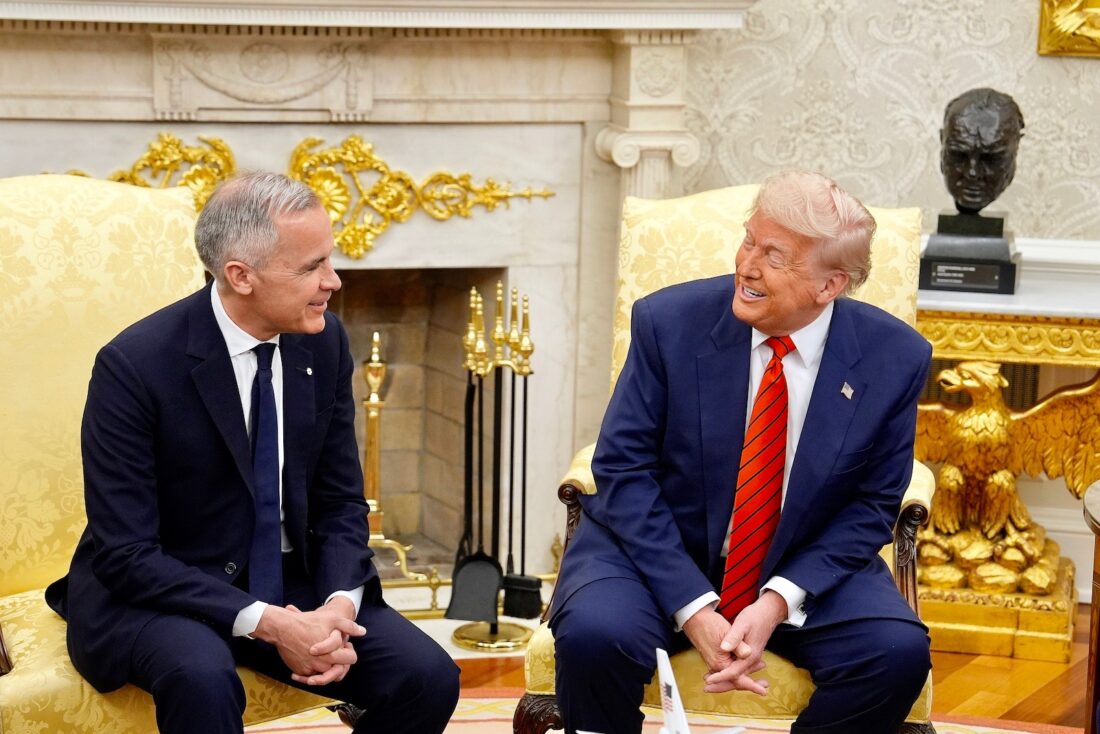
Rather than escalating rhetorically, Canadian Prime Minister Mark Carney leaned on contracts, permits, and economic reality. The bridge is governed by a 2012 bilateral agreement under which Canada fronted construction costs while Michigan secured joint ownership and future toll revenue. U.S. approvals were granted years ago, including a presidential permit issued in 2013 and federal funding for customs staffing signed into law during Trump’s first term. In short, the legal groundwork was already settled—long before the social media threat appeared.
The stakes are massive. Nearly 25% of all Canada–U.S. trade moves through the Detroit–Windsor corridor, anchoring North America’s most integrated manufacturing supply chain. Automotive production alone depends on parts crossing the border multiple times before a vehicle reaches consumers. The new bridge provides a direct freeway-to-freeway link between Ontario’s Highway 401 and Interstate 75, cutting transit times and reducing congestion that currently forces trucks through city streets. Studies estimate up to $2.3 billion in long-term economic benefits from efficiency gains—many of them accruing directly to American companies.
Politically, Trump’s threat also reopened old fault lines. For decades, the privately owned Ambassador Bridge functioned as a near monopoly for commercial traffic, generating tens of millions annually in tolls. National security experts warned that relying on a single aging crossing created serious vulnerability. The Gordie Howe Bridge was built precisely to provide redundancy. Legal challenges to stop it failed repeatedly, voters rejected ballot initiatives aimed at blocking it, and courts—including the U.S. Supreme Court—declined to intervene. The project survived every test long before it reached the water.
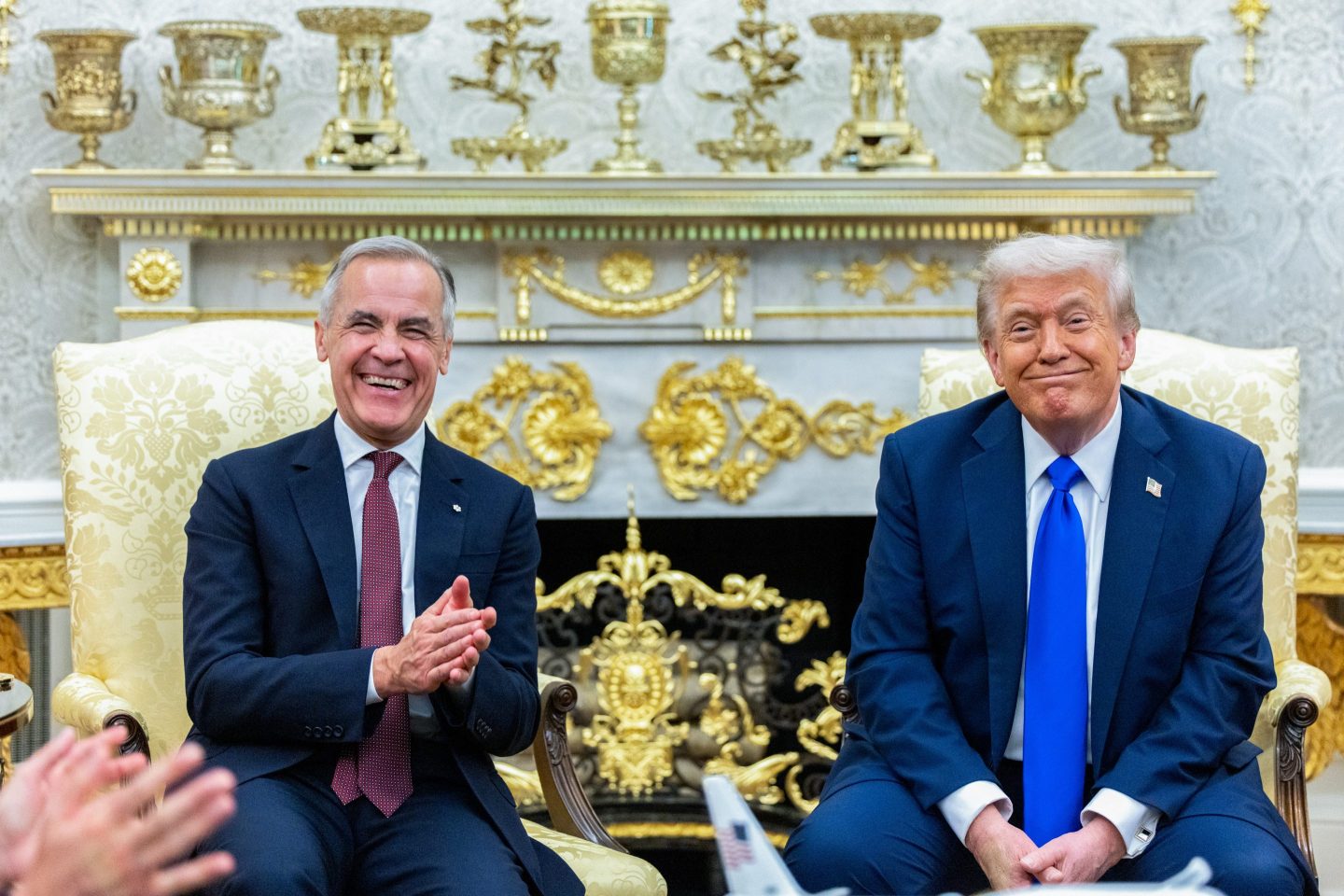
What shifted the momentum decisively was timing. Just days before Trump’s post, the U.S. Department of Homeland Security formally designated the bridge as a port of entry, embedding it into the federal customs and immigration system with an effective date set for March 2026. Michigan officials from both parties quickly pushed back, warning that blocking the bridge would hurt U.S. workers, disrupt supply chains, and raise consumer costs. Automakers, labor unions, farmers, and logistics firms all lined up behind opening the crossing on schedule.
In the end, Carney’s response reframed the confrontation. By anchoring Canada’s position in documented agreements and shared economic interest, he shifted the debate away from symbolism and back to consequences. The bridge continues toward opening because the permits are valid, the financing is secured, and the economic case is overwhelming. The episode exposed how quickly infrastructure can become political leverage—but it also showed that deals built on law, mutual benefit, and long-term planning are harder to derail than headlines suggest.