Carney Condemns Unauthorized U.S. Talks as Canada Pushes Back on Trump Pressure
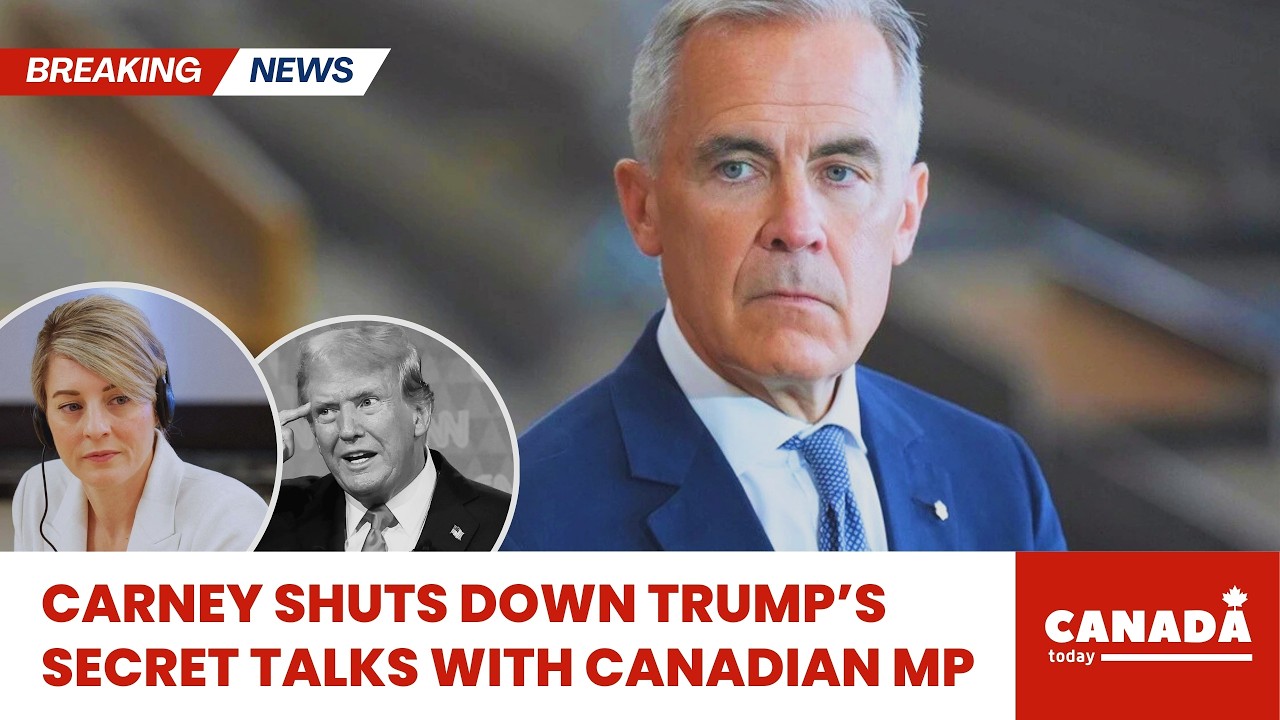
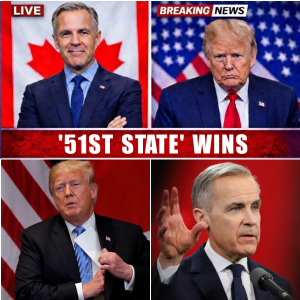
Canada–U.S. relations are facing renewed strain after Prime Minister Mark Carney publicly rejected unauthorized diplomatic outreach to Washington, warning that freelance political negotiations could undermine Canada’s official trade strategy — especially as Donald Trump escalates rhetoric and pressure targeting Canada.
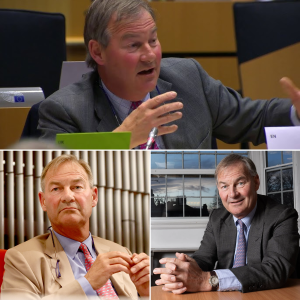
The controversy follows a solo trip by a Conservative Member of Parliament to Washington, D.C., claiming he intended to support trade discussions. Canadian leadership responded quickly, emphasizing that international negotiations must go through formal government channels — not individual political actors.
Carney Rejects Freelance Diplomacy Efforts
Prime Minister Mark Carney addressed the situation directly, stating that Canada’s foreign policy and trade negotiations are conducted through structured and authorized diplomatic frameworks. According to officials, the MP who traveled did not hold a formal mandate, was not serving as a designated trade critic, and did not represent Canada’s negotiating team.
Carney characterized the move as unnecessary and potentially disruptive, suggesting it appeared more aligned with media visibility than diplomatic coordination. His response was measured but firm: Canada speaks with one voice in international negotiations.
Foreign Affairs Minister Mélanie Joly reinforced that message, stressing that diplomacy depends on discipline, clarity, and institutional authority — not unofficial intermediaries.
Why Unauthorized Talks Raise Concerns
Trade and security negotiations between Canada and the United States typically involve:
-
The Prime Minister’s Office
-
Global Affairs Canada
-
Official trade representatives
-
Career diplomats and negotiators
When individuals attempt parallel or informal discussions without authorization, analysts say it can:
-
Confuse negotiating signals
-
Weaken bargaining leverage
-
Create mixed messaging
-
Be exploited politically by foreign counterparts
-
Undermine institutional credibility
Questions were also raised about how the Washington trip was funded, though no confirmed details were immediately available at the time of reporting.
Trump’s Renewed Pressure on Canada
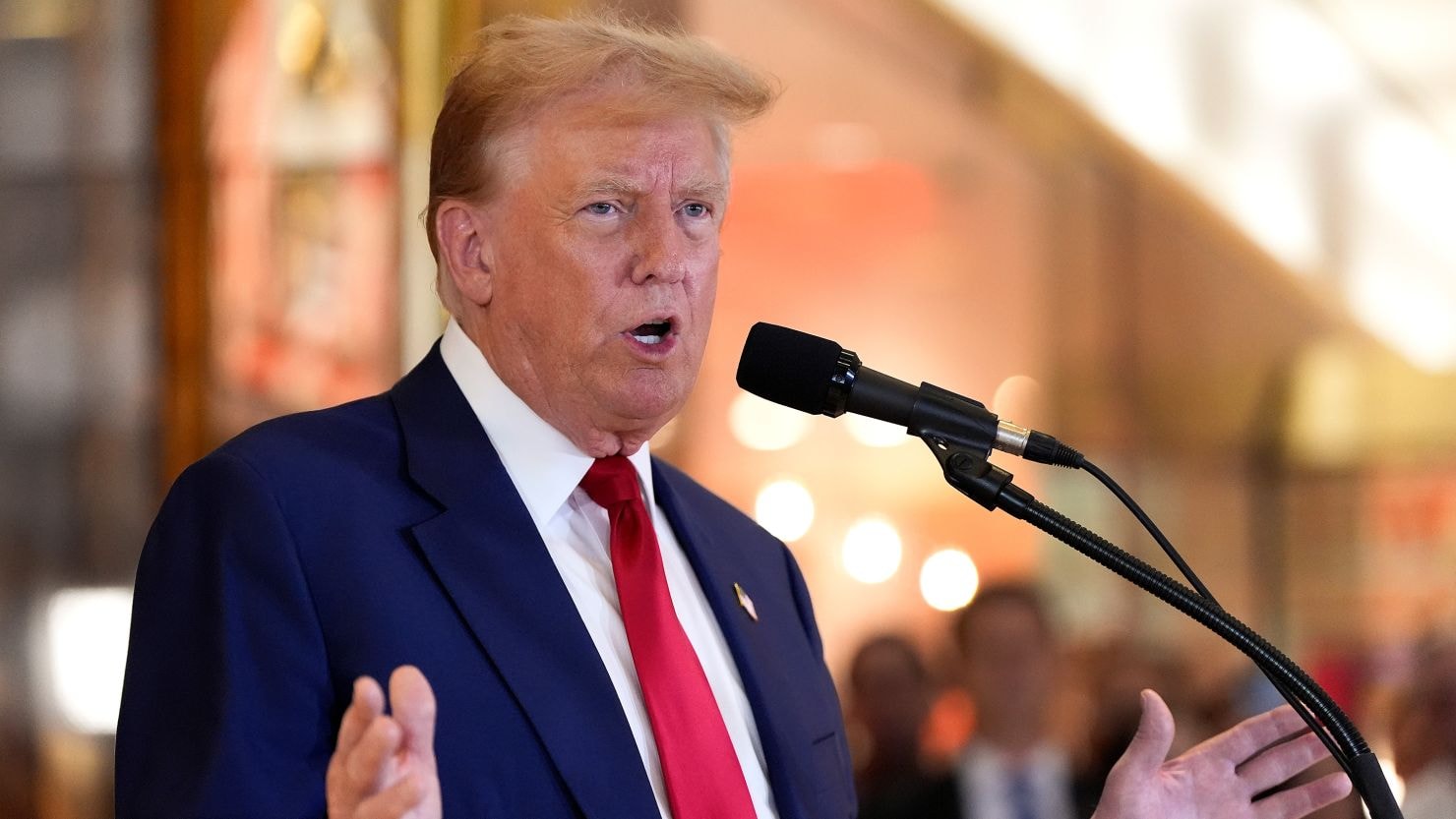
The dispute comes amid a broader pattern of renewed pressure from Donald Trump toward Canada. Recent public remarks and policy threats have included:
-
Tariff warnings tied to trade certification disputes
-
Sharp criticism of Canadian industries
-
Comments questioning long-standing economic arrangements
-
Aggressive negotiation positioning
Market analysts note that Trump’s negotiation style often relies on maximum pressure tactics, strong public messaging, and headline-driven leverage — sometimes followed by partial policy retreats or revisions.
This approach creates volatility for trading partners, especially those deeply integrated with U.S. markets like Canada.
Trade, Defense, and Strategic Uncertainty
Beyond tariffs, uncertainty has also touched defense and procurement discussions, including Canada’s military purchasing strategies and cross-border security cooperation. Policy planners in Ottawa are increasingly weighing how to maintain strategic stability while managing unpredictable political signals from Washington.
Experts say the key Canadian response so far has been institutional unity and message discipline — avoiding internal fragmentation that could weaken negotiating strength.
Canada Signals a Unified Front
The Carney–Joly response to the unauthorized Washington outreach appears designed to send two signals:
-
Domestically: Foreign policy is not partisan freelancing
-
Internationally: Canada negotiates through official, coordinated channels
Observers say maintaining that clarity is critical during periods of cross-border tension and economic uncertainty.
As trade talks and political rhetoric continue to evolve, Canada’s leadership is positioning centralized diplomacy — not informal backchannels — as the country’s primary defense against external pressure.