CANADIAN TOURISM BOYCOTT COSTS U.S. BILLIONS AS TRUMP’S RHETORIC BACKFIRES
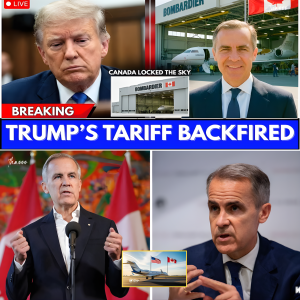
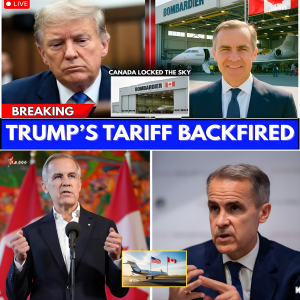
Canada’s quiet but massive tourism pullback has delivered a costly shock to the U.S. economy. In 2025 alone, American tourism revenue fell by an estimated $5.7 billion as Canadians canceled trips, avoided border crossings, and redirected their vacation spending elsewhere. This was not driven by inflation or currency shifts, but by political fallout. Donald Trump’s repeated threats, tariffs, and rhetoric toward Canada triggered a consumer response that no government decree could stop: millions of Canadians simply chose not to go.
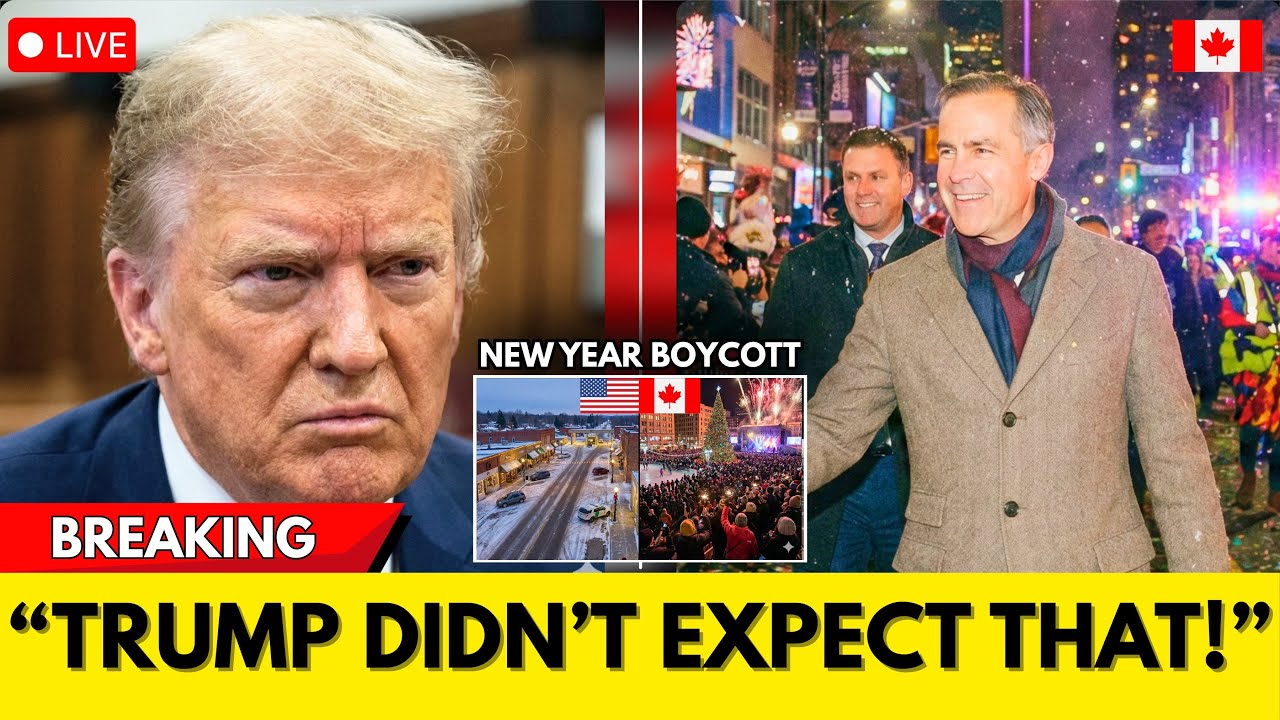
Canadians are the single largest source of international visitors to the United States, accounting for nearly 28% of all foreign tourists and more than $20 billion in annual spending before the downturn. In 2025, that flow collapsed. Data shows Canadian air travel to the U.S. fell by roughly a quarter, while land crossings dropped close to a third, with some months seeing declines approaching 40%. This was not seasonal noise—it was sustained, deliberate avoidance that intensified as the year progressed.
The impact has been devastating for border states and tourism-dependent regions. Maine, New Hampshire, Montana, and Vermont reported double-digit drops in Canadian visitors, with some campgrounds and hotels experiencing their worst year on record—worse than the pandemic. Florida, a longtime haven for Canadian snowbirds, saw visitor numbers fall around 20%, while Hawaii reported sharp declines compared to both 2024 and pre-pandemic levels. Restaurants cut staff, hotels left rooms empty, and duty-free shops slashed their workforce by up to 80%.
What makes this boycott particularly damaging is its personal nature. Surveys show a majority of Canadians consciously canceled or postponed U.S. trips due to American political behavior, not cost. Many forfeited deposits, rerouted vacations to Mexico, Europe, or the Caribbean, or chose to travel within Canada instead. Provincial tourism agencies quickly moved to capture this redirected spending, meaning Canadian dollars stayed home or flowed to competitors rather than returning south.
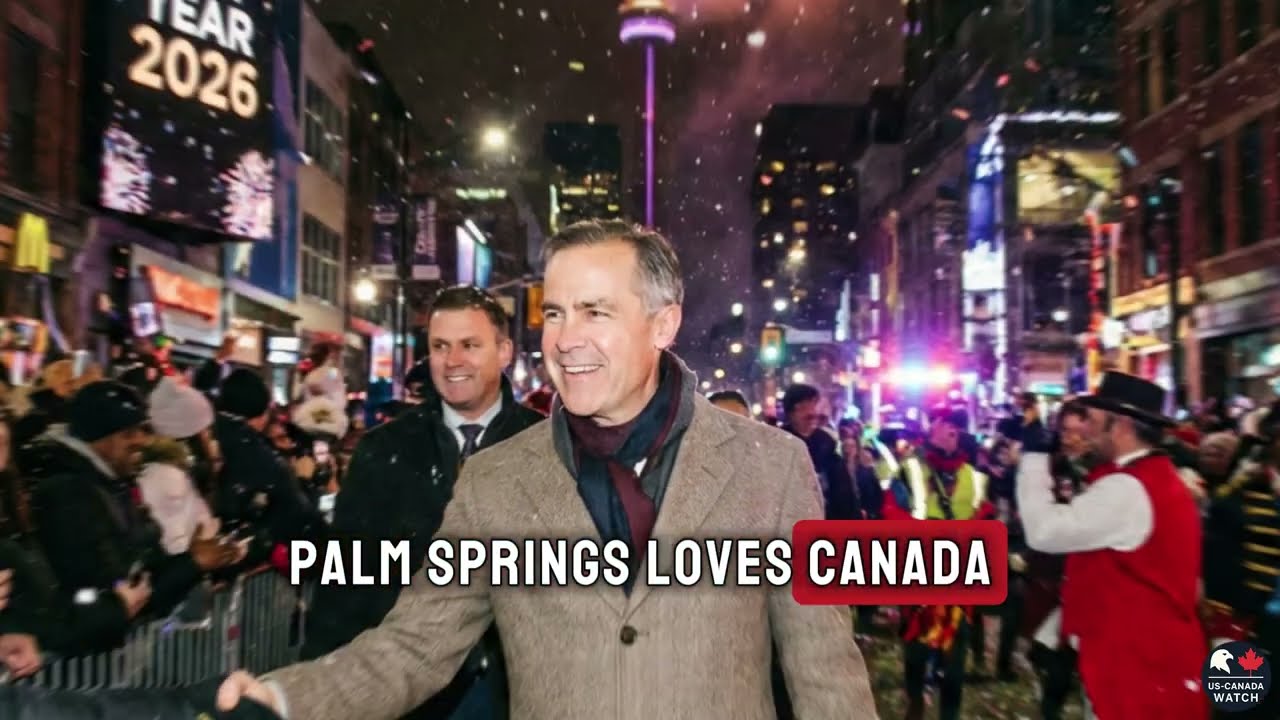
Alarmed by the fallout, U.S. states and cities launched emergency campaigns pleading for Canadians to come back, offering discounts and reassurance. From Montana to Palm Springs, the message was clear: “We miss you.” But these efforts have largely failed because the issue is not price or convenience. It is trust. Political insults, annexation rhetoric, and tariffs created a perception that Canadians were unwelcome, and marketing alone cannot reverse that damage.
The longer-term risk for the United States is even greater than the immediate $5.7 billion loss. Tourism habits, once broken, do not automatically reset. Canadians who discovered new destinations and built new travel traditions may not return quickly, even if political tensions ease. The boycott has revealed a deeper shift: a fundamental reassessment of the Canada–U.S. relationship. Trump sought to project dominance, but instead triggered a consumer backlash that is costing American workers billions—and reshaping cross-border tourism for years to come.