GERMANY’S WORLD CUP BOMBSHELL COULD DERAIL FIFA’S BIGGEST TOURNAMENT EVER
The 2026 World Cup was supposed to be FIFA’s crowning achievement, a record-breaking tournament hosted across the United States, Canada, and Mexico. Instead, one calm but explosive statement from Germany has turned it into a geopolitical stress test. When a senior official from the German Football Association confirmed that a boycott of the World Cup is now being discussed, it shattered the long-standing illusion that global football exists outside politics.
Germany’s words carried extraordinary weight. This was not activist rhetoric or fan outrage, but an institutional signal from one of the most powerful football nations in the world. By referencing historical Olympic boycotts, German officials made clear that this was not hypothetical posturing. With the tournament less than a year away, the timing could not be worse for FIFA. Broadcasting contracts, sponsorship deals, and commercial forecasts are all built on the assumption that Europe’s biggest teams will be present.
The economic implications are severe. Germany is not just another participant; it is a cornerstone of global viewership. German matches drive massive television audiences across Europe, Asia, and Africa. The moment Germany’s participation became uncertain, the entire financial architecture of the World Cup was shaken. FIFA does not need an official withdrawal to face chaos—credible uncertainty alone is enough to force sponsors and broadcasters into contingency planning.
Germany’s move also triggered quiet reactions across Europe. Denmark spoke of a “sensitive situation,” France signaled hesitation, and British media began treating a boycott as plausible rather than fringe. This silence is precisely what alarms FIFA. A coordinated exit is not required; delayed commitments and cautious language already fracture confidence. A World Cup missing Germany, France, or England would lose the very brands that justify billion-dollar sponsorships.
As uncertainty spread, Canada and Mexico emerged as unexpected winners. Without public confrontation or threats, both countries positioned themselves as stable, predictable, and aligned with international norms. Prime Minister Mark Carney did not call for boycotts or criticize the United States. Instead, he framed Canada as a safe and reliable partner in an unstable global environment. Mexico mirrored this approach, quietly emphasizing its experience and readiness as a World Cup host.
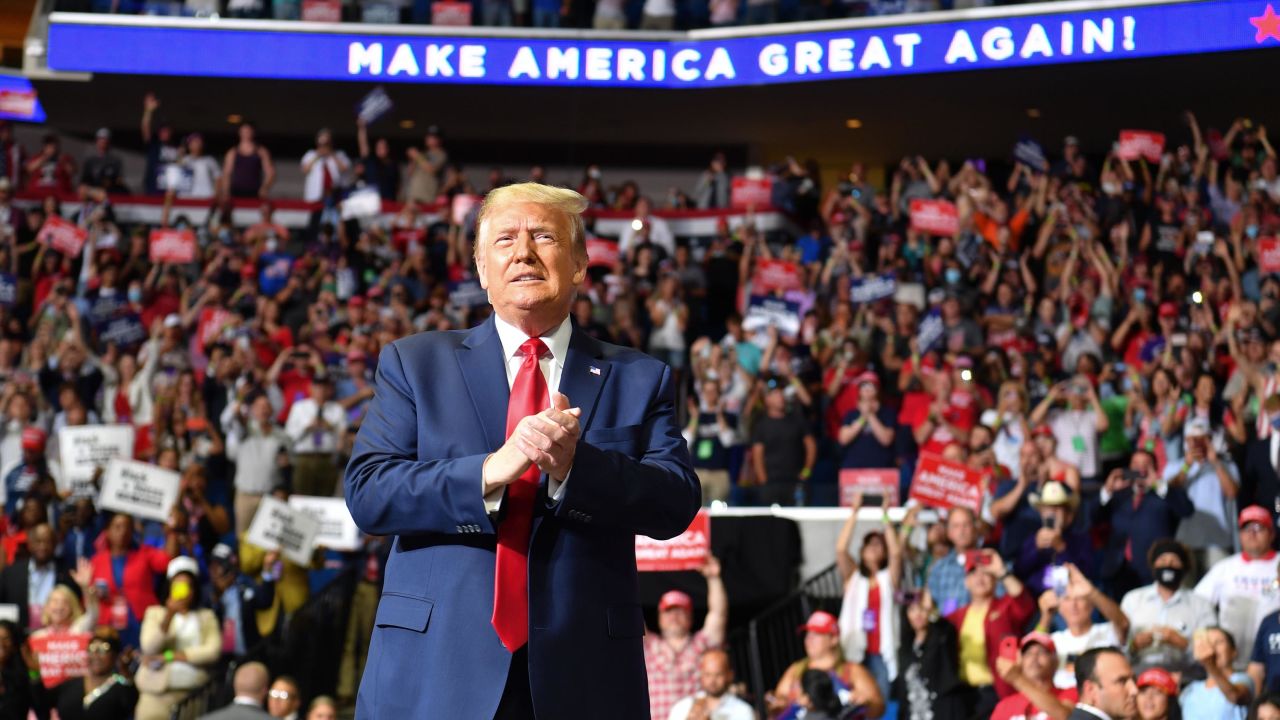
The irony is unavoidable. The 2026 World Cup was meant to showcase American power and prestige, but aggressive rhetoric toward allies, strict immigration policies, and diplomatic unpredictability turned the tournament into a liability. Germany did not end the World Cup—it asked the question FIFA hoped would never be asked: what happens if participation is no longer automatic? That question alone has changed global football. The illusion of an apolitical World Cup is gone, and FIFA’s biggest event will never be viewed the same way again.