A dramatic shift in North American trade dynamics is unfolding after Canada moved decisively to restrict exports of critical minerals following President Donald Trump’s latest trade crackdown. What was intended as a show of economic strength from Washington has instead triggered a powerful counterreaction from Ottawa, exposing deep vulnerabilities in U.S. supply chains and shaking confidence across American manufacturing, technology, and defense sectors.
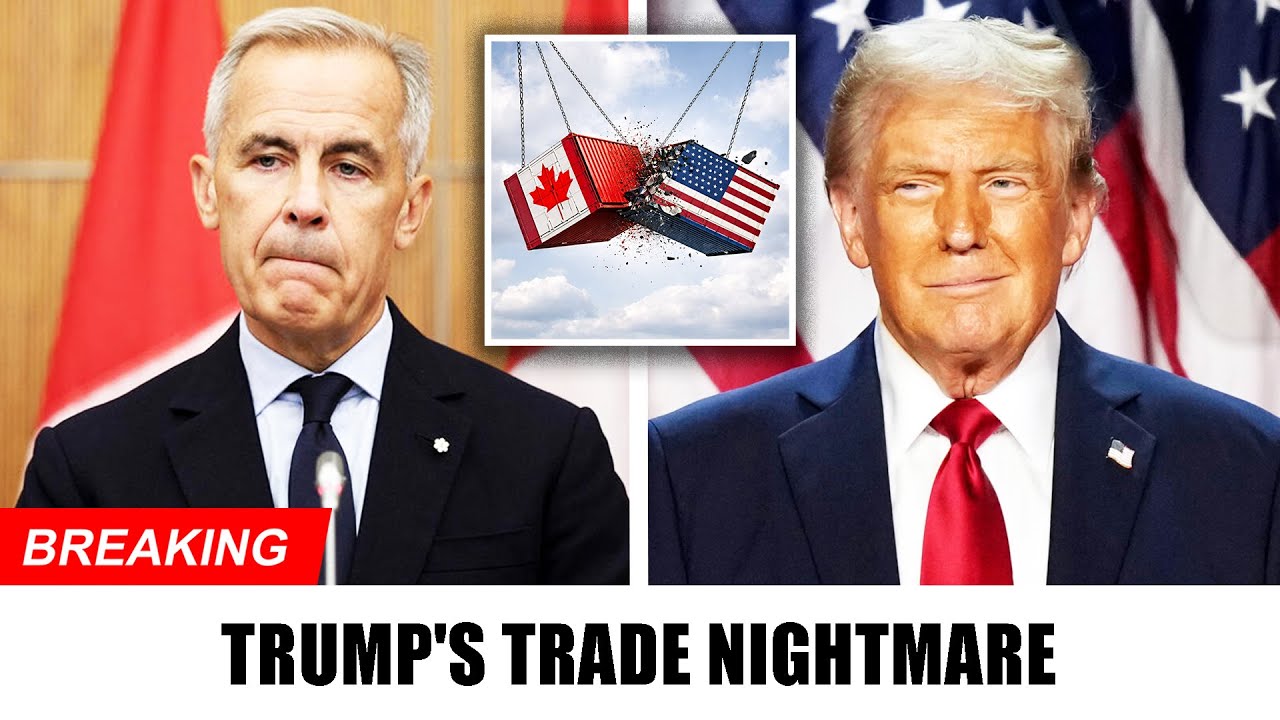
Canada’s announcement targets a wide range of strategic materials, including lithium, cobalt, nickel, graphite, and rare earth elements—resources essential for electric vehicles, semiconductors, renewable energy systems, and military hardware. These minerals form the backbone of the modern economy, and Canada controls some of the world’s most reliable and accessible reserves. With export permits now under strict national security review, U.S. companies face sudden uncertainty over supplies they long assumed were guaranteed.
The timing of Canada’s move has stunned Washington. Analysts say Ottawa acted with precision, implementing restrictions before U.S. firms could stockpile materials or secure alternative sources. Within hours, Canadian authorities began notifying U.S.-operated mines that exports would be reassessed, while shipments were quietly redirected toward Europe, Japan, and South Korea—partners that had already secured long-term agreements with Canada.
The White House response has been fragmented and tense. Officials described the decision as “unexpected” and “serious,” yet offered no clear path toward de-escalation. Instead, talk of tariffs and retaliation dominated early reactions, reinforcing perceptions that U.S. trade policy has become unpredictable. This lack of coherence, experts warn, risks accelerating Canada’s strategic pivot away from reliance on the American market.

Prime Minister Mark Carney framed the decision as a matter of sovereignty rather than confrontation. In remarks to Parliament, he emphasized that Canada will no longer allow its natural resources to be leveraged without respect or stability in return. The message resonated domestically, with strong public support for standing firm against external pressure and expanding trade relationships beyond the United States.
What happens next could redefine North American economic relations for decades. If Washington continues to escalate, this moment may be remembered as the beginning of a fractured continental supply chain. If dialogue replaces threats, Canada has signaled it is open to serious negotiations—but only on new terms. One reality is already clear: Trump’s trade crackdown has backfired, and Canada has emerged holding the leverage that now commands global attention.