TRUMP BLINDSIDED: CANADA PIVOTS TO CHINA — $4 BILLION CANOLA MARKET + 49,000 CHINESE EVs FLOOD IN OVERNIGHT! — TRUMP’S TARIFF WAR BACKFIRES
A Dramatic Realignment in North American Trade
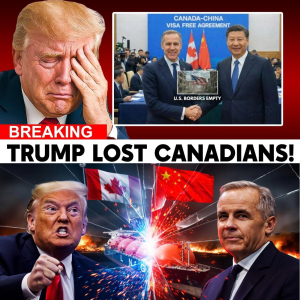
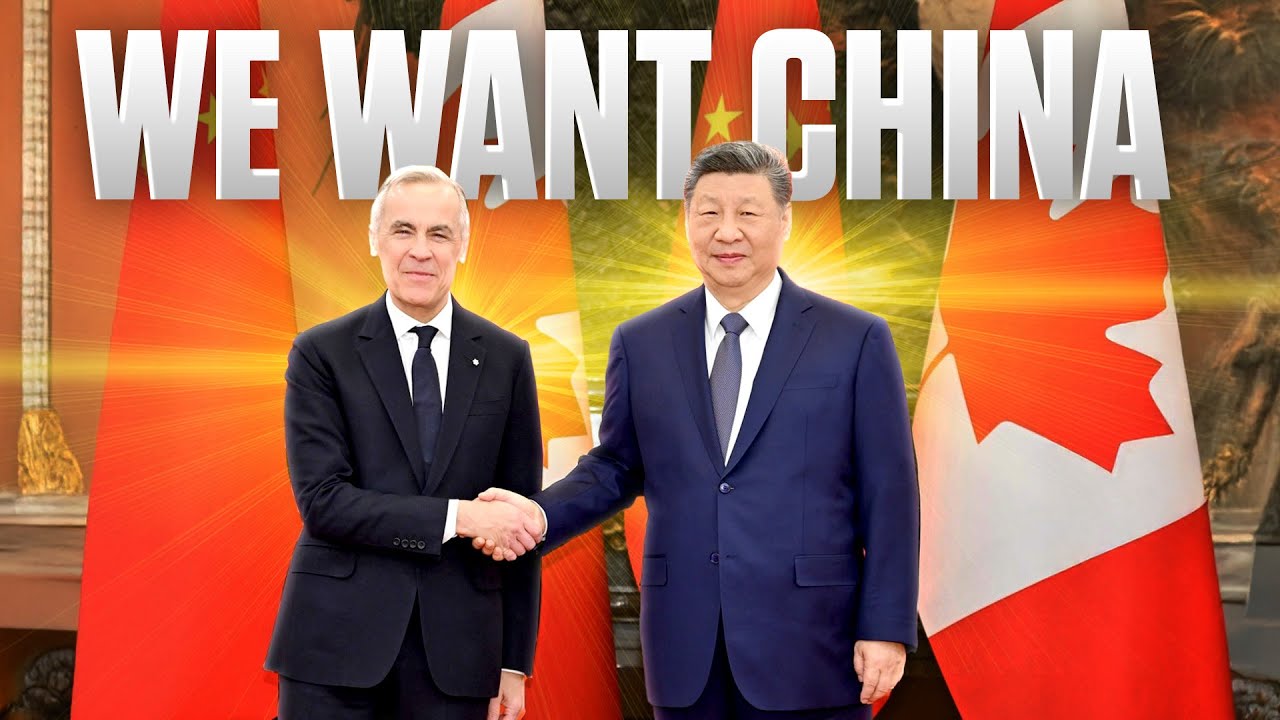
In a stunning economic and geopolitical rupture that has sent shockwaves through Washington and Ottawa alike, Canada has executed a bold pivot toward China, dramatically reshaping alliances long anchored in North America. Prime Minister Mark Carney’s landmark state visit to Beijing in mid-January 2026 culminated in a preliminary trade agreement that slashes barriers on key goods, allowing up to 49,000 Chinese electric vehicles to enter the Canadian market at a reduced 6.1 percent tariff — a precipitous drop from the 100 percent levy imposed in 2024 in coordination with the United States. In exchange, Beijing has committed to lowering tariffs on Canadian canola seed to approximately 15 percent by March 1, unlocking renewed access to a roughly $4 billion annual export market that had been severely restricted amid prior retaliatory measures.
The deal, described by Carney as a pragmatic response to “the world as it is, not as we wish it to be,” arrives against a backdrop of escalating U.S. protectionism under President Donald Trump. Trump’s aggressive tariff policies — including repeated impositions, exemptions, and threats against Canada — have eroded trust in the bilateral relationship. What began as targeted duties on Canadian steel, aluminum, and other sectors has escalated into broader instability, prompting Ottawa to seek diversification away from an increasingly unpredictable southern neighbor.
The Backdrop: Trump’s Trade Offensive and Canada’s Economic Imperative
The roots of this shift trace directly to Washington’s trade war tactics. In 2025, Trump imposed high tariffs on multiple Canadian industries, threatening annexation rhetoric that further strained ties. Canadian businesses faced chaotic planning environments, with on-again, off-again policies making long-term contracts untenable. Auto manufacturers, farmers, and exporters watched supply chains fracture as U.S. reliability faltered.
Carney, leveraging his background in global finance, framed the Beijing agreement as essential diversification. The canola sector — a cornerstone of Prairie agriculture — had suffered devastating losses when China retaliated against earlier Canadian EV tariffs with duties reaching 84-85 percent combined. Exports to China, once valued at billions, plummeted in 2025. Now, with tariffs easing to 15 percent on seed and removals on meal, lobsters, crabs, and peas (at least through year’s end), Canadian producers anticipate a swift rebound, potentially restoring billions in revenue and stabilizing rural economies.
Meanwhile, the EV quota introduces Chinese manufacturers like BYD and others into North America at scale for the first time since blanket bans. At 6.1 percent — the most-favored-nation rate — and capped initially at under 3 percent of Canada’s auto market, the move promises more affordable options for consumers while inviting potential joint ventures to bolster domestic manufacturing.
Reactions: Fury in Washington, Relief in Ottawa
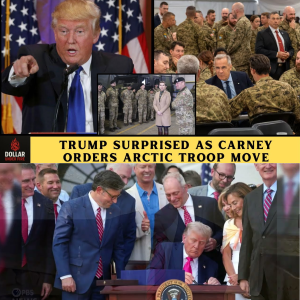
President Trump, caught off guard by the speed and scope of the pivot, has reacted with characteristic intensity. White House statements have warned of regret for Canada, emphasizing that Chinese EVs will remain barred from the U.S. market. Yet the agreement exposes vulnerabilities in America’s “America First” approach: allies once steadfast now seek alternatives when faced with erratic policy.

In Canada, the response has been mixed but pragmatic. Farmers in Saskatchewan and Alberta hail the canola relief as a lifeline. Industry leaders see opportunities for investment in clean energy and agri-food. Critics, however, express alarm over deeper ties with Beijing, citing human rights concerns and security risks. Conservative opposition figures have demanded explanations for the rapid thaw.
Broader Implications for Global Trade Dynamics
This Canada-China reset underscores a larger trend: Trump’s expansionist rhetoric and tariff volatility are accelerating a multipolar world where nations hedge against U.S. dominance. Europe has pursued similar diversification, and emerging deals elsewhere signal Beijing’s rising predictability in contrast to Washington’s volatility.
For Canadian industries, the immediate effects could be transformative. Auto supply chains may see new pressures but also fresh capital inflows. Agricultural exporters gain breathing room amid global commodity swings. Yet the deal’s success hinges on execution — quota management, investment commitments, and avoidance of further escalation.
As 2026 unfolds, this overnight realignment stands as a stark reminder: in an era of fractured alliances, economic survival demands bold adaptation. Canada’s move may prove a model — or a cautionary tale — for nations navigating superpower tensions.