A Diplomatic Pivot That Redraws North American Borders
In the frosty corridors of Beijing on January 16, 2026, Canadian Prime Minister Mark Carney stood beside President Xi Jinping and announced what many in Washington had feared: a landmark agreement ushering in visa-free travel for Canadians to China for up to 30 days. No applications, no fees, no endless waits at consulates. This sudden breakthrough, part of a broader strategic partnership slashing tariffs on canola, expanding agricultural access, and opening doors for energy exports, has sent shock waves rippling across the continent. While framed in Ottawa as a triumph of pragmatic diplomacy, the move has blindsided American border communities, evaporating billions in transit tourism revenue almost overnight.
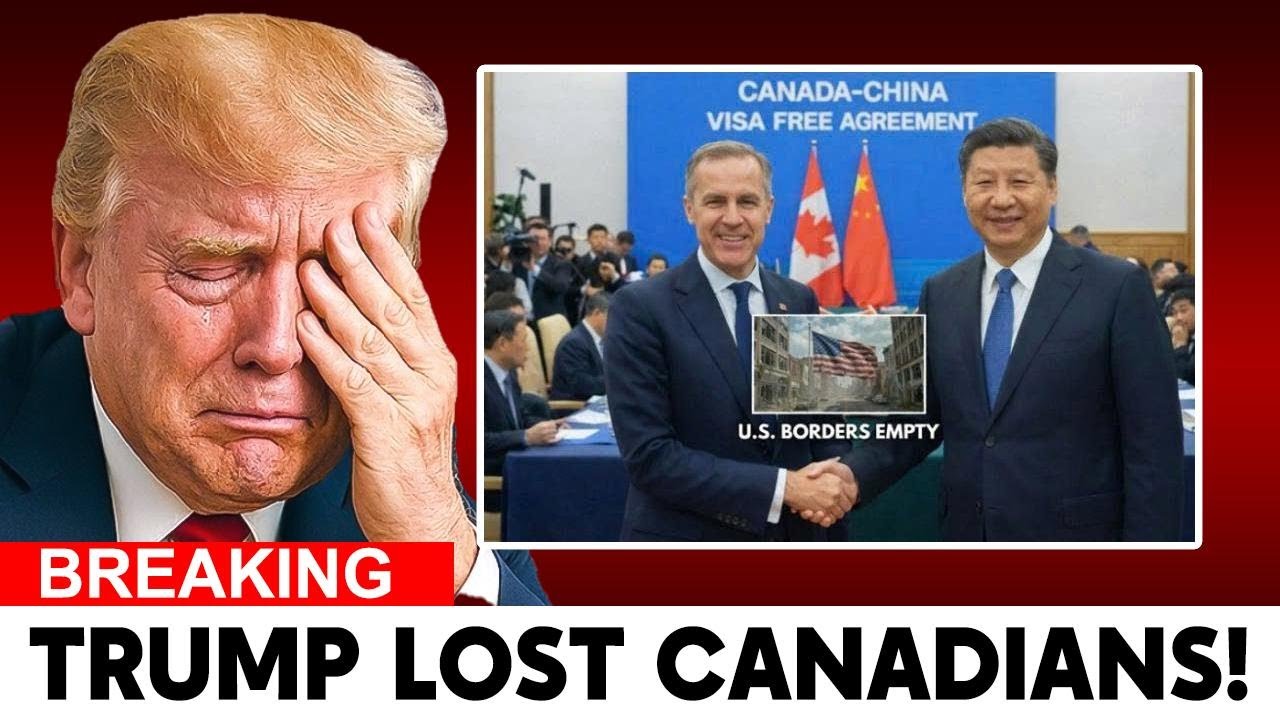
For years, U.S. cities like Seattle, Buffalo, Detroit, and Niagara Falls thrived as reluctant gateways for travel between Canada and Asia. Nearly 2 million Chinese Canadians, bound by family ties stretching across the Pacific, frequently routed through American hubs for cheaper flights, better connections, and familiar networks. Chinese tourists — some 300,000 annually pouring into Canada before the pandemic slowdown — often combined visits north of the border with stops in American landmarks, funneling dollars into hotels, restaurants, rental cars, and airport concessions. That intricate web of economic interdependence has now unraveled with brutal speed.
The visa-free policy eliminates every incentive to touch American soil. Direct flights from Vancouver to Beijing or Shanghai, from Toronto to Guangzhou or Shenzhen, become the default. Spontaneous family visits for emergencies or celebrations no longer require bureaucratic detours. Business trips multiply without the shadow of visa uncertainty. Industry projections suggest Chinese arrivals to Canada could surge to 600,000 within three years, capturing spending that once leaked southward. With the 2026 FIFA World Cup co-hosted in Vancouver and Toronto looming, Chinese football fans will stream directly into Canadian stadiums, bypassing Seattle or Buffalo entirely.
The fallout in American border cities is immediate and severe. Seattle-Tacoma International Airport, long a key Asia-Pacific conduit, faces plunging passenger counts from transiting Canadians and Chinese visitors. Hotel occupancy rates in Buffalo and Niagara Falls plummet as cross-border itineraries shrink to one side. Detroit’s role as a connector for Toronto-area travelers evaporates as Toronto Pearson Airport absorbs the demand. Local officials report cascading effects: declining retail sales, reduced staffing at service providers, and municipal budgets strained by lost tax revenue. Entire ecosystems built around visa processing agencies, translation services, and immigration consultants — industries that once flourished serving Canadian clients in American cities — face sudden obsolescence.
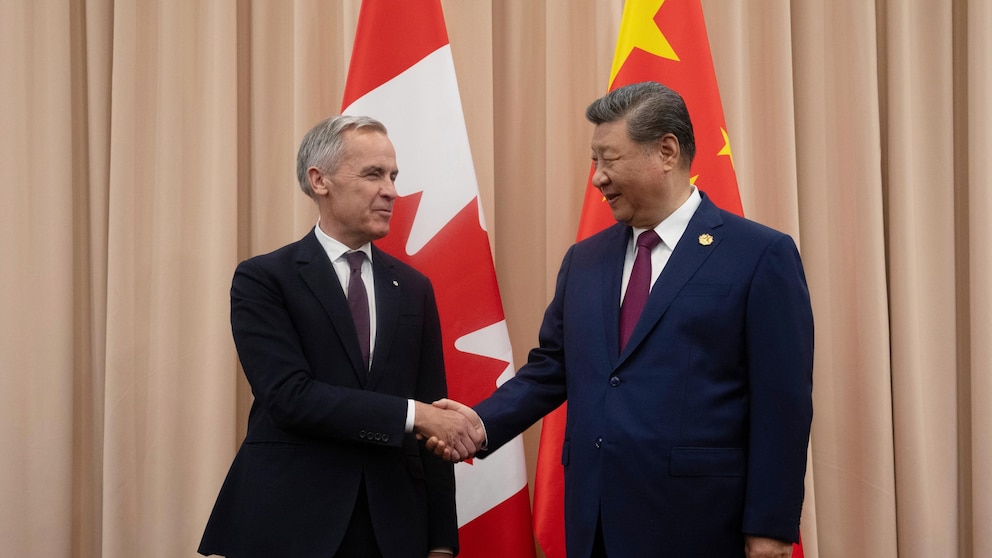
This crisis stems from a deeper geopolitical fracture. While the Trump administration pursued aggressive tariffs — including 100 percent duties on Chinese electric vehicles — and threats that strained alliances, Carney pursued predictability and diversification. The asymmetry is stark: American citizens still endure costly, interview-heavy visa processes for China, while Canadians glide through with effortless mobility. That contrast accelerates the shift, locking in new travel habits through expanded routes, profitable airline schedules, and entrenched infrastructure investments.
Carney has cast the agreement as an assertion of Canadian sovereignty, a response to years of unpredictable American policy swings. “We take the world as it is,” he declared, emphasizing people-to-people ties over ideological battles. Yet in Washington, the narrative is one of betrayal and lost leverage. The deal, quietly negotiated amid frozen relations since the era of arrests and retaliatory bans, exposes the limits of pressure tactics. Instead of forcing compliance, tariffs and rhetoric pushed Canada toward durable alternatives — embedding Chinese investment in projects like LNG Canada and securing preferential quotas for electric vehicles at just 6.1 percent tariffs.
The economic pain concentrates in vulnerable border regions already grappling with broader trade uncertainties. Businesses that depended on transient flows now confront permanent rerouting. Airports revise forecasts downward, hotels defer expansions, and restaurants brace for lean seasons. What began as a modest mobility enhancement has morphed into a structural realignment, tilting tourism and trade gravity northward.
As the dust settles, the visa-free accord stands as a symbol of how swiftly alliances can shift in an era of economic nationalism. American cities along the 49th parallel confront an uncomfortable new reality: the gateway role they once held is vanishing, perhaps forever.