Canada has fired a stunning warning shot at one of the world’s largest automakers. The federal government has officially launched a dispute resolution process against Stellantis after the company abruptly shifted planned vehicle production from Brampton, Ontario, to the United States. The move threatens hundreds of Canadian manufacturing jobs and puts at risk more than $500 million in public investment tied to the project. Ottawa is calling the decision a clear violation of commitments made to Canadian taxpayers.
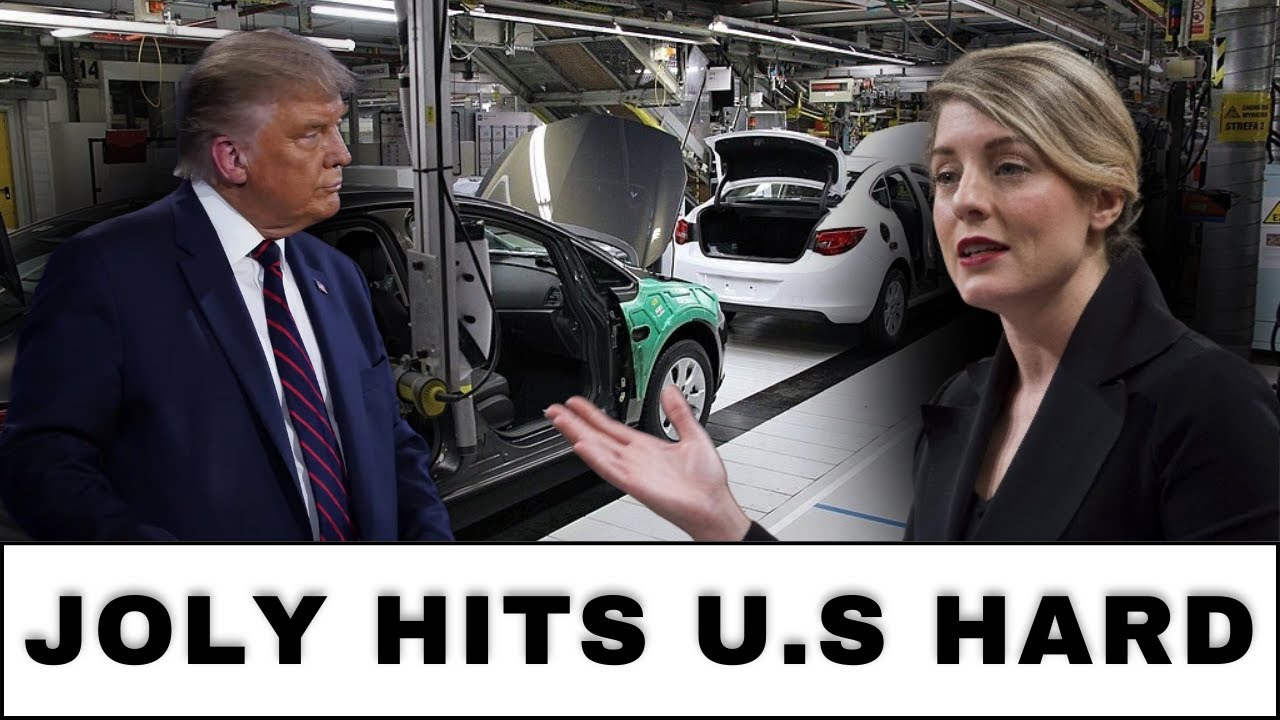
Industry Minister Mélanie Joly did not mince words in Parliament, calling Stellantis’ actions “completely unacceptable.” She confirmed that Canada has opened a formal investigation and issued a direct letter to Stellantis CEO Antonio Filosa, demanding the company honor its legally binding agreements. According to Joly, Canada will not stand by while multinational corporations abandon communities after benefiting from government support.
The controversy has ignited a wider debate over the consequences of “America First” economic nationalism. For years, U.S. political rhetoric has celebrated the reshoring of manufacturing, even when it comes at the expense of close allies. Critics argue that Canadian workers are paying the price as corporations chase U.S. subsidies and political favor, stripping jobs from Canadian cities like Brampton in the process.
Ottawa’s response marks a sharp shift in tone. Long known for diplomatic restraint, Canada is now signaling it is ready to use legal and trade mechanisms to defend its industries. Government officials say this is not symbolic posturing but a concrete effort to hold corporations accountable when they break promises tied to public funding and long-term investment plans.
The Stellantis case has become a symbol of broader resistance to what Canadian leaders describe as unchecked corporate opportunism. By launching formal proceedings, Canada is sending a message to global investors: access to Canadian public funds comes with serious obligations. If companies fail to deliver on job creation and domestic production, they will face consequences.
This confrontation could reshape North American industrial relations. As Canada pushes back against corporate relocations to the United States, the era of quiet acceptance may be over. What began as a single factory decision now looks like a defining moment, signaling that Canada is prepared to defend its workers, its communities, and its economic sovereignty—no matter how powerful the opponent.