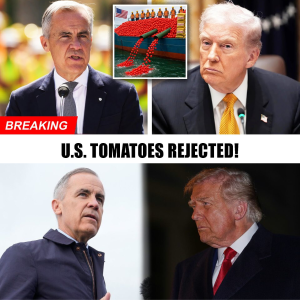
Canada just made one of the most consequential foreign-policy moves in years — and it did so without fanfare. As Washington escalated tariff threats and questioned Ottawa’s sovereignty, Beijing rolled out an unusually lavish red-carpet reception for Prime Minister Mark Carney. Televised nationwide, complete with flowers and ceremonial protocol, the استقبال was not routine diplomacy. In global politics, symbolism is strategy. China’s message was unmistakable: Canada is being treated not as a subordinate ally, but as an independent power with choices.
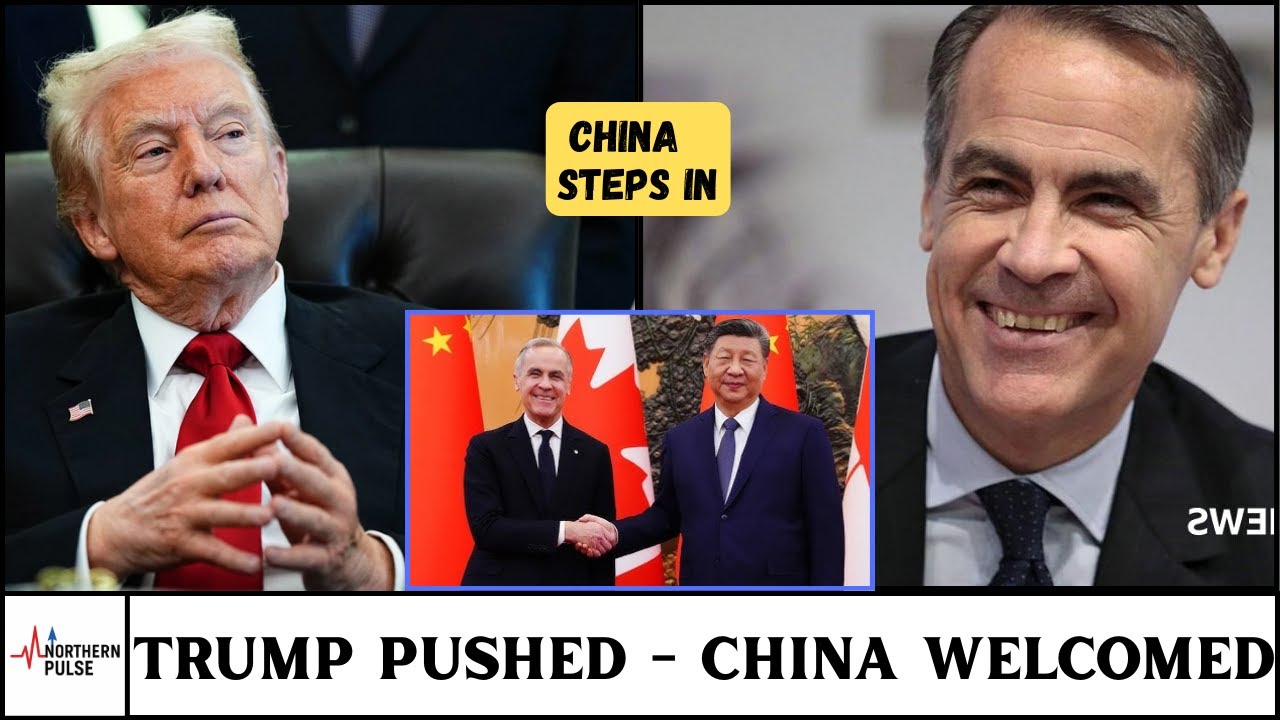
The timing could not have been sharper. This was the first Canadian prime ministerial visit to China in eight years, ending a long diplomatic freeze. While U.S. rhetoric framed Canada as dependent, Beijing framed it as sovereign. Senior Chinese officials repeatedly called the visit a “turning point” and a “new starting point” — language that in China’s political culture signals top-level approval and long-term intent. When such phrases are echoed across meetings, they are not improvisation; they are direction.
Substance quickly followed symbolism, with energy at the center. A new memorandum recognizes Canada as an “important and reliable partner” for oil and liquefied natural gas — not a stopgap supplier, but a strategic one. For decades, Canadian energy flowed almost exclusively south. With new Pacific export capacity, Ottawa now has leverage it lacked before. China, eager to diversify away from politically volatile suppliers, sees Canadian stability as a strategic asset. What was once a captive trade relationship is becoming a two-ocean one.
Beyond energy, the reset was broad and structural. Agreements covered agriculture, food safety, lumber, tourism, law enforcement cooperation, and people-to-people exchanges — areas that had quietly cost Canadian exporters billions during years of regulatory freezes. Ottawa also signaled renewed openness to Chinese investment under security review, marking a shift from recent caution. This was not a single-sector deal; it was the rebuilding of an entire framework.
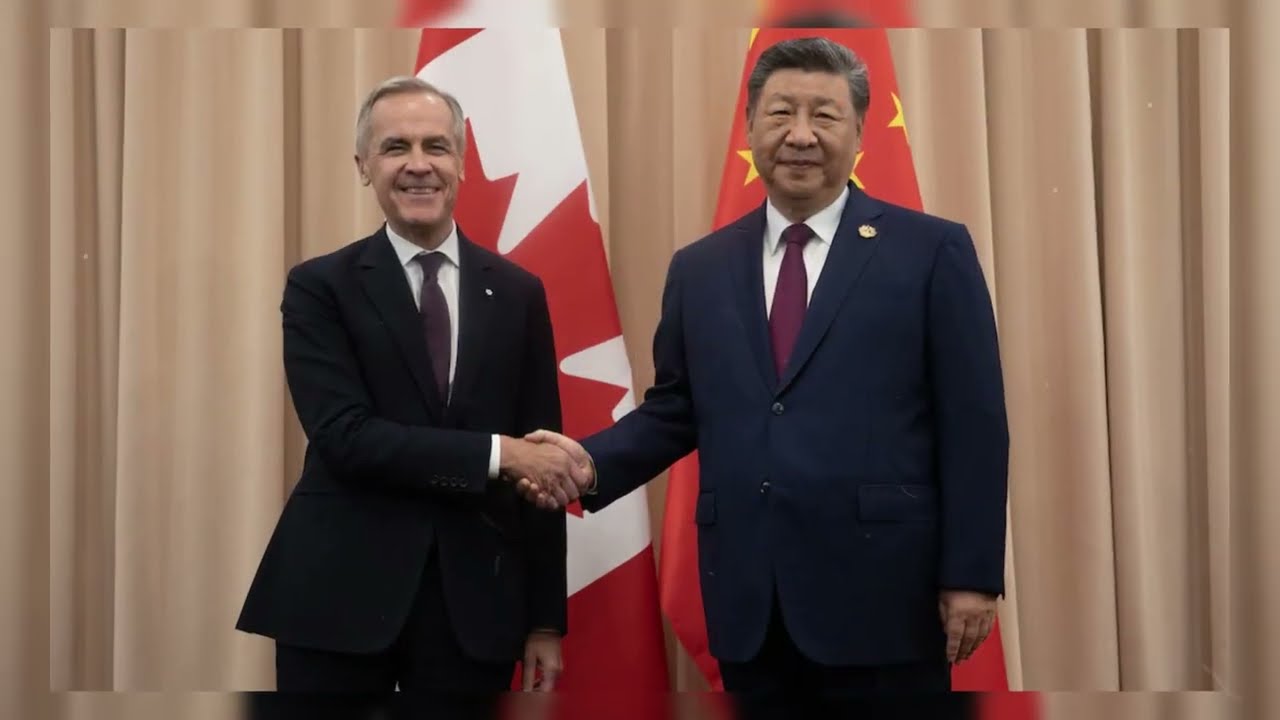
The geopolitical logic is clear. Confronted with unpredictable tariffs and transactional pressure from Washington, Canada chose insulation over escalation. Retaliation would have deepened dependence. Diversification reduces vulnerability. Engaging China was not about choosing sides; it was about expanding options. Beijing, for its part, framed the visit as evidence that countries exercising strategic autonomy are treated differently — a subtle but powerful message to middle powers watching closely.
The capstone meeting with President Xi Jinping confirmed the strategic weight of the moment. In China’s hierarchy, presidential engagement signals long-term intent, not mere operational cooperation. Canada did not announce a dramatic pivot. It recalibrated quietly. By widening its economic and diplomatic room to maneuver, Ottawa demonstrated a modern form of sovereignty — not declared in speeches, but exercised through choices. In an era of loud geopolitics, Canada’s calm move may prove the most durable of all.