The global energy chessboard has just been flipped upside down. In a stunning geopolitical turn, Canada is rapidly redirecting its liquefied natural gas (LNG) strategy toward China, unveiling investments worth $109 billion that could dramatically weaken Washington’s long-standing energy leverage. The sudden shift has reportedly left former President Donald Trump and U.S. policymakers reeling, as one of America’s closest allies quietly redraws the map of global energy influence.
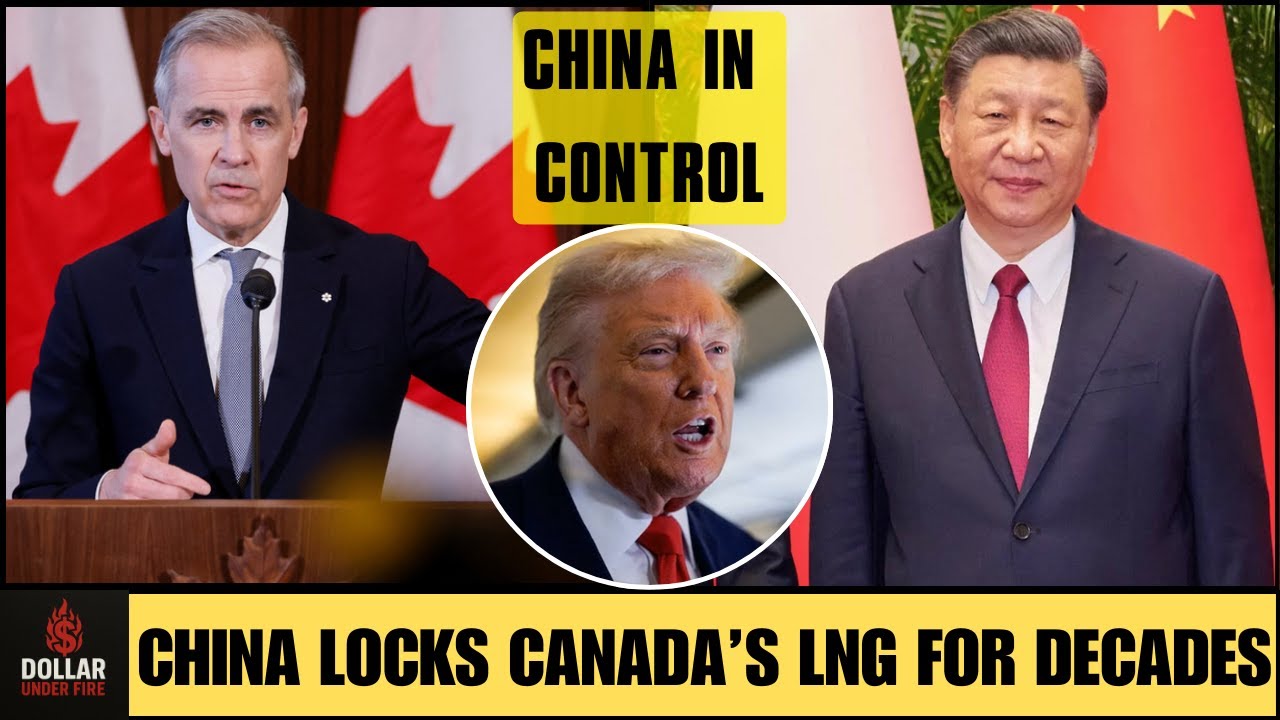
For years, the United States has relied on energy dominance as a strategic weapon, using its massive oil and gas exports to strengthen alliances and counter rivals like China and Russia. Canada, traditionally locked into the U.S. market by geography and pipelines, was seen as a guaranteed partner in this strategy. But the new Canadian pivot signals a deeper frustration with American political volatility and trade uncertainty, pushing Ottawa to diversify its energy future beyond Washington’s shadow.
At the center of this transformation is Canada’s aggressive expansion of LNG infrastructure on its Pacific coast. Massive projects in British Columbia, backed by both public and private capital, are designed to funnel Canadian natural gas directly across the Pacific to Asia. With China hungry for cleaner energy to replace coal, Canada has found a buyer with bottomless demand — and the timing could not be more disruptive for U.S. strategic planners.
This realignment strikes at the heart of U.S. geopolitical strategy. Energy exports have been a key pillar of American influence, particularly in pressuring rivals and stabilizing allies. If Canada becomes a major LNG supplier to China, Washington risks losing not only market share, but also diplomatic leverage. The shift could weaken U.S. efforts to counter Beijing’s rise by entangling North America’s energy future more deeply with China’s economy.
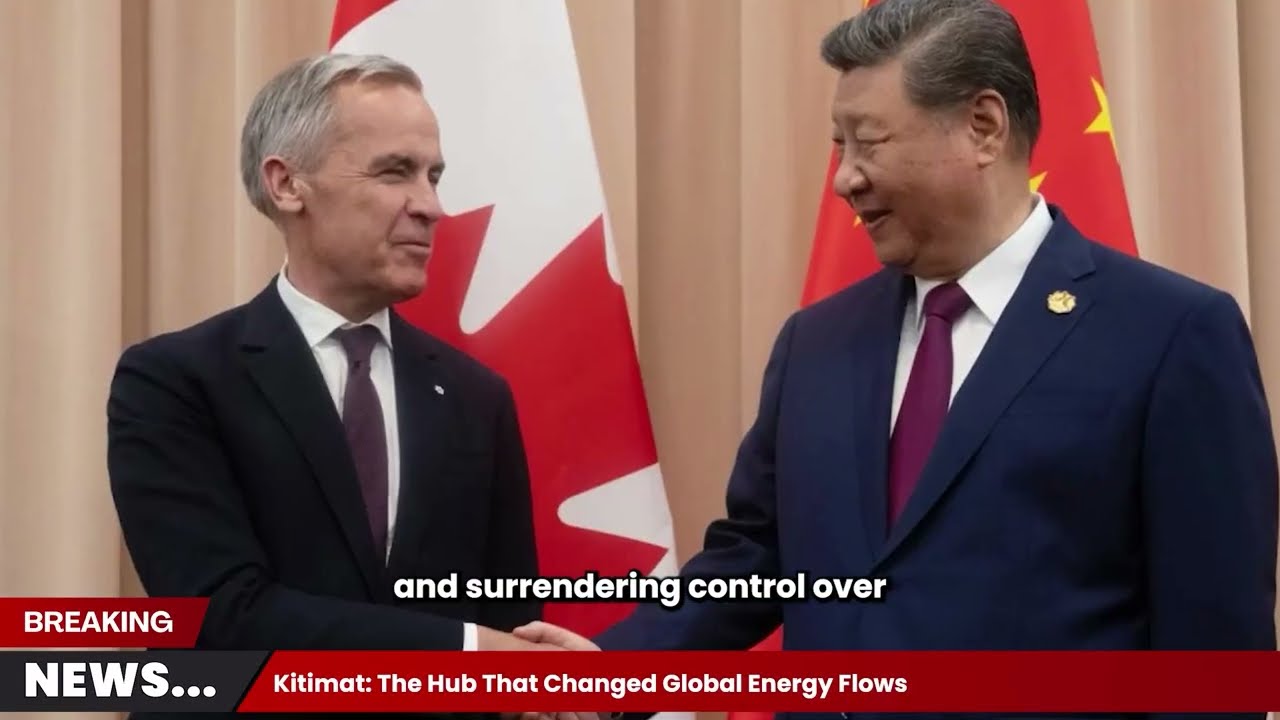
For Donald Trump, who built much of his foreign policy brand on “energy dominance,” Canada’s move is especially symbolic. His administration pushed aggressively to expand U.S. fossil fuel exports and limit China’s access to strategic resources. Seeing a close ally empower Beijing through long-term energy partnerships undercuts that legacy and highlights how fragile energy-based power can be when allies begin to hedge their bets.
Ultimately, Canada’s $109 billion LNG pivot is more than a commercial decision — it is a geopolitical earthquake. It signals the emergence of a more independent Canadian foreign policy and a multipolar energy world where no single power can easily dictate the rules. As global demand shifts and alliances evolve, Washington now faces a sobering reality: even its closest partners are willing to rewrite the script when their national interests demand it.