The United States is reeling after a stunning Supreme Court move that critics say effectively greenlights racial profiling under the guise of immigration enforcement. In a controversial shadow-docket decision, the Court allowed ICE to continue detaining people based on appearance and workplace location — a policy now widely known as “Kavanaugh Stops.” Civil rights groups warn the ruling hands extraordinary power to T.R.U.M.P’s immigration agenda, triggering a nationwide civil liberties crisis.
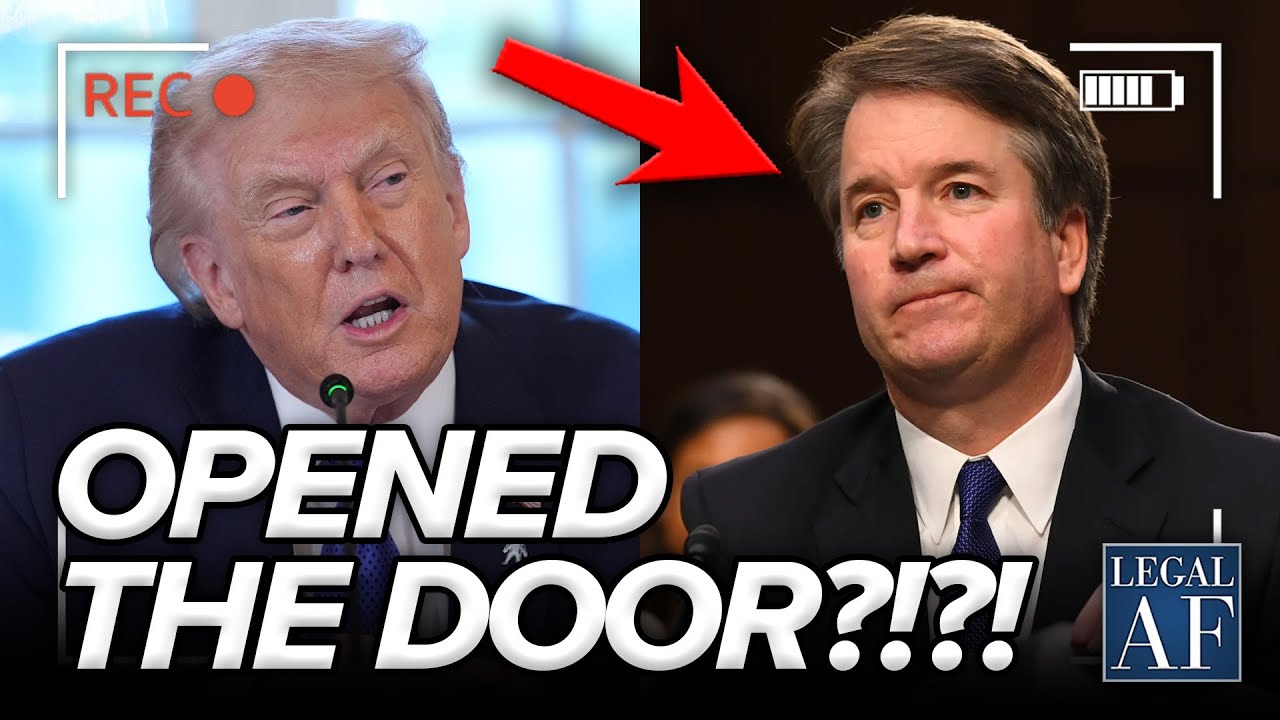
Legal analysts explain that Justice Brett Kavanaugh’s opinion allows ICE agents to briefly detain individuals even without traditional probable cause. He argued that citizens can be “promptly released” after short detentions, making such stops “reasonable.” But experts say this logic dangerously rewrites Fourth Amendment protections that have long banned racial profiling. The ruling, issued without full hearings, has intensified fears of unchecked government power.
The consequences are no longer theoretical. A disturbing case in Minneapolis has become a flashpoint after a 17-year-old U.S. citizen was violently detained outside his workplace. Witnesses filmed the teenager bleeding after being slammed to the ground by agents, despite reportedly carrying valid identification. Civil rights advocates say this is the exact nightmare scenario Justice Sonia Sotomayor warned about — a country where people are targeted simply for looking Latino or working low-wage jobs.
Sotomayor previously blasted the Court’s use of emergency rulings, calling this decision a “grave misuse” of judicial power. She cautioned that Americans should not live in fear of being seized because of their skin color, language, or occupation. That warning now appears prophetic as videos of ICE encounters spread rapidly online, deepening public outrage and eroding trust in federal law enforcement.
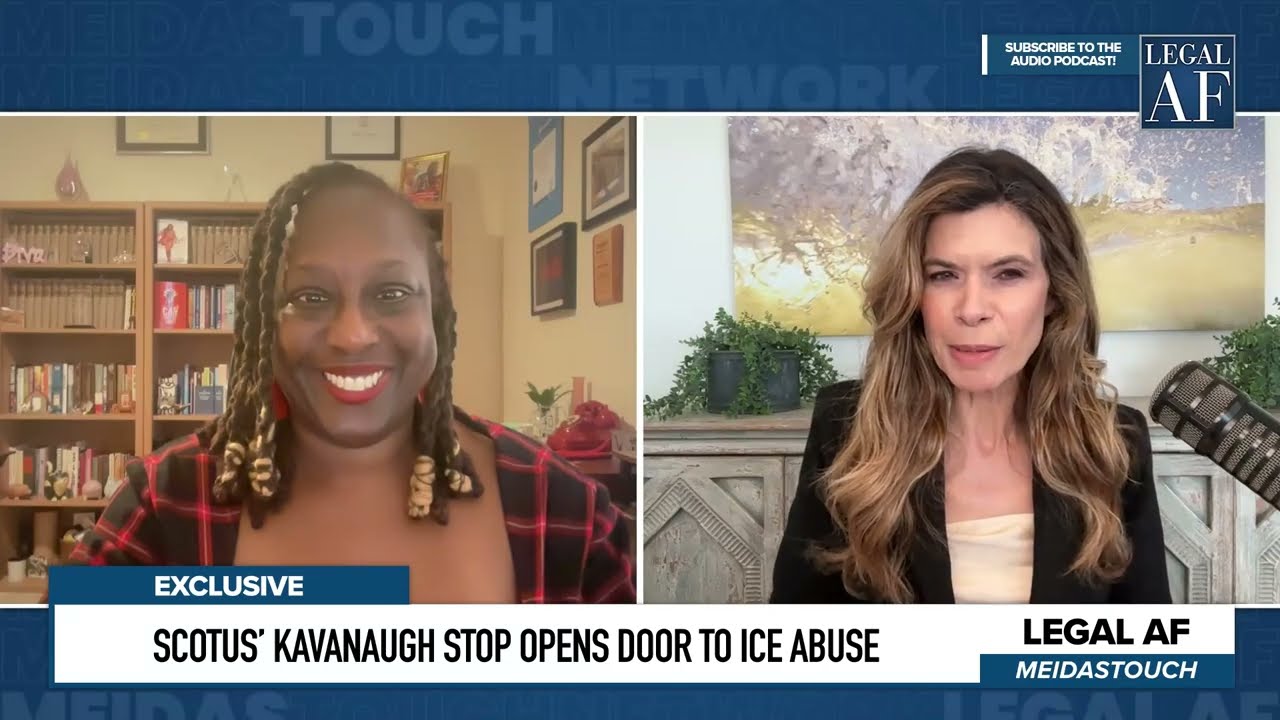
Compounding the crisis, senior officials have openly discussed expanding aggressive enforcement tactics, including door-to-door operations. Historians and civil rights leaders argue such language echoes some of the darkest chapters of 20th-century history. They warn that normalizing masked, militarized immigration raids transforms civil law enforcement into a tool of intimidation rather than justice.
Although Justice Kavanaugh recently attempted to soften his language by saying stops “must be brief” and not based on race, critics say the damage is already done. Without a clear reversal, ICE agents remain effectively empowered to act first and justify later. As lawsuits mount and protests grow, many fear the ruling will define this era of American law — not as one of security, but as a turning point where constitutional protections were dangerously weakened.