🔥 BREAKING: TRUMP LOSES IT After JIMMY KIMMEL & STEPHEN COLBERT EXPOSE Him LIVE ON TV — BRUTAL DOUBLE TAKEDOWN SENDS LATE-NIGHT INTO FULL MELTDOWN MODE ⚡
What began as a late-night monologue ended as one of the most consequential confrontations between a sitting president and American television comedy in decades, raising urgent questions about free expression, corporate pressure and the limits of political retaliation.
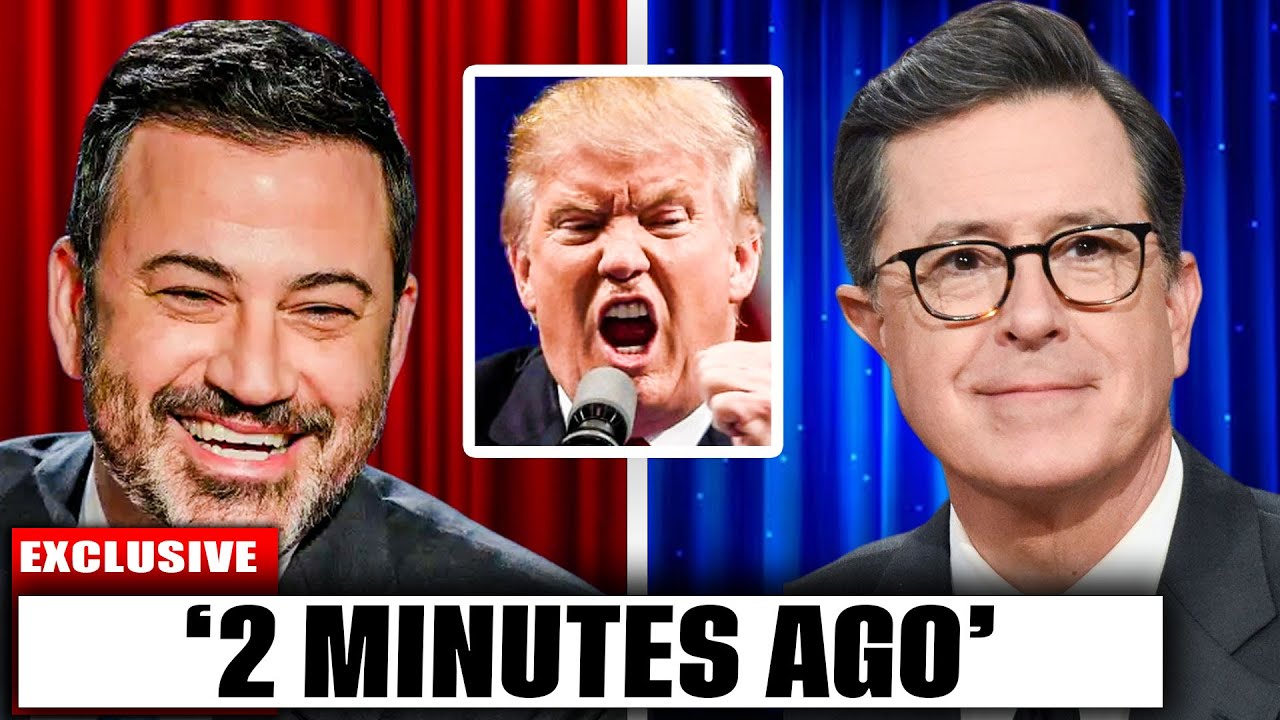
In mid-September 2025, Jimmy Kimmel, the host of ABC’s long-running Jimmy Kimmel Live, delivered a monologue that criticized Donald Trump’s response to the killing of conservative activist Charlie Kirk. Rather than focusing on the victim, Mr. Trump had emphasized unrelated personal grievances and construction plans at the White House — a reaction Mr. Kimmel described as childish and revealing.
The remark might have passed as another entry in the long-running feud between Mr. Trump and late-night television. Instead, it triggered an extraordinary chain of events that briefly removed one of broadcast television’s most prominent comedians from the air and united an industry that rarely speaks with one voice.
Within days, conservative activists demanded repercussions. That pressure escalated when Brendan Carr, the Trump-appointed chairman of the Federal Communications Commission, publicly warned that ABC could face scrutiny over what he characterized as “news distortion,” adding ominously that the matter could be handled “the easy way or the hard way.”
Shortly afterward, two major broadcast groups, Nexstar and Sinclair, announced that they would temporarily pull Jimmy Kimmel Live from their ABC affiliates. Days later, Disney, ABC’s parent company, announced that the show would be suspended indefinitely.

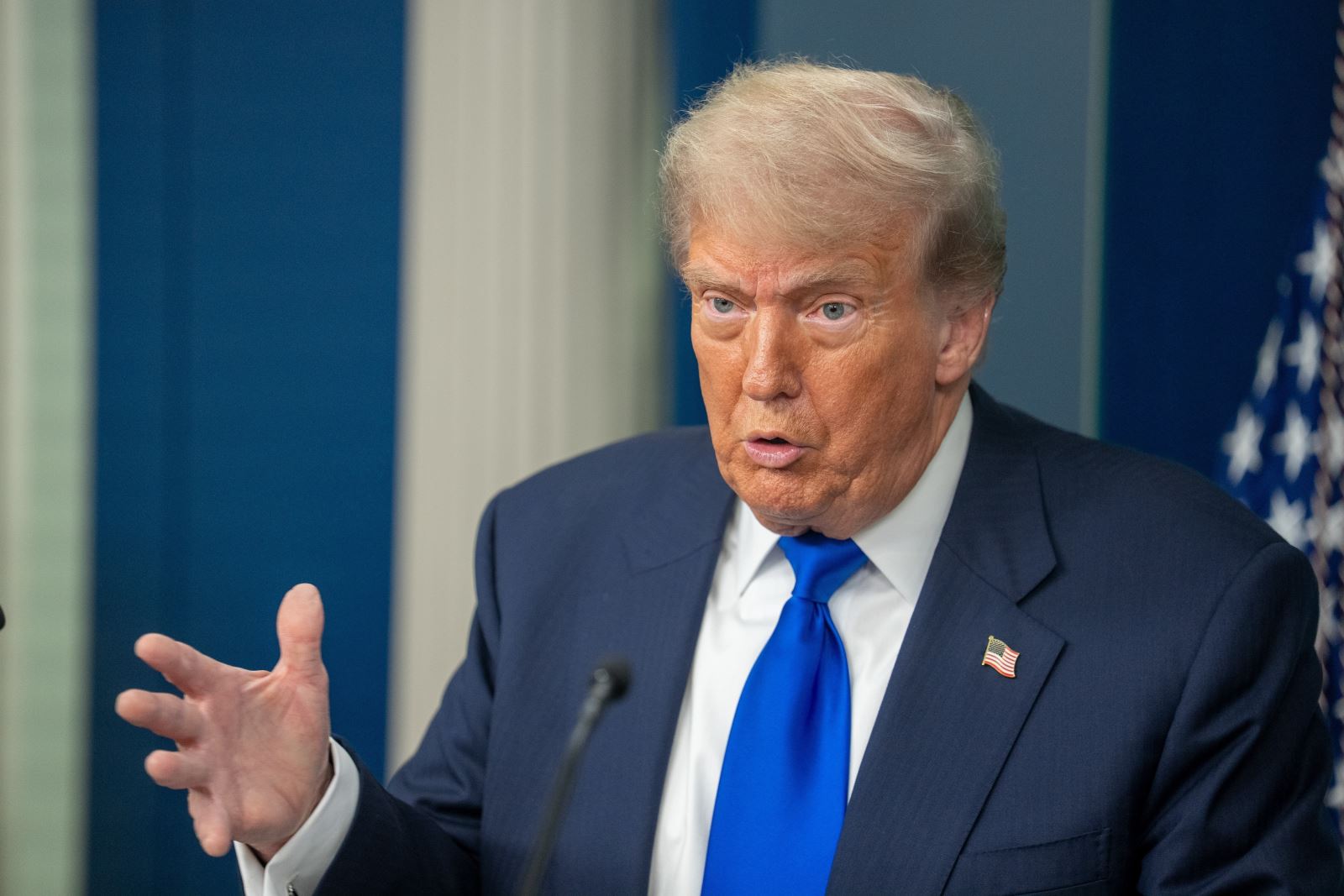
Mr. Trump celebrated. Posting on Truth Social, he declared the program “cancelled,” derided Mr. Kimmel as talentless and suggested that other late-night hosts should be next. The message was unmistakable: criticism would be met with consequences.
The reaction, however, was not what the White House appeared to anticipate.
On September 18, the night after Mr. Kimmel’s suspension, Stephen Colbert opened The Late Show with a five-word declaration: “Tonight, we are all Jimmy Kimmel.” What followed was an unusually direct monologue warning that authoritarian governments often begin by silencing comedians before moving on to journalists, judges and political opponents.
Mr. Colbert was not alone. Jon Stewart rearranged his schedule to address the controversy on The Daily Show. Seth Meyers, typically cautious in his political commentary, condemned the suspension as an attack on free expression. Even Jimmy Fallon, known for avoiding overt political conflict, publicly expressed solidarity.
More than 400 entertainers signed an open letter organized by the American Civil Liberties Union condemning ABC’s decision. David Letterman called it “ridiculous” and accused corporate executives of appeasing political power. Viewers canceled Disney+ subscriptions in protest. Ratings for clips related to the controversy surged across platforms.
After six days, ABC reversed course. Jimmy Kimmel Live returned to the air, and Mr. Kimmel opened with an 18-minute monologue that alternated between gratitude and anger. Fighting back tears at moments, he thanked fellow hosts, writers, union members and viewers. He clarified that his original comments were not meant to trivialize violence, but he did not retreat from his criticism of the president or the FCC.
“Our leader,” Mr. Kimmel said, “celebrates Americans losing their livelihoods because he can’t take a joke.”
The numbers told their own story. The episode drew 6.3 million viewers, the show’s highest rating in more than a decade. Clips of the monologue amassed nearly 20 million views online, becoming the most-watched segment in the program’s history.
The episode also cast new scrutiny on the relationship between media conglomerates and political power. At the time of the suspension, Disney and several broadcast groups had business interests requiring federal regulatory approval. While executives denied political influence, critics noted the timing and public threats from federal officials.

The controversy soon expanded beyond ABC. CBS faced similar criticism after announcing plans to end The Late Show with Stephen Colbert in 2026, citing financial reasons shortly after Mr. Colbert criticized Paramount, CBS’s parent company, for settling a lawsuit brought by Mr. Trump. The coincidence further fueled concerns about corporate deference.
For decades, late-night comedy has served as a cultural pressure valve — mocking presidents without real consequence. This episode suggested that assumption may no longer hold.
What Mr. Trump intended as a show of dominance instead produced a rare moment of solidarity across a fragmented media landscape. It also underscored a paradox familiar in American political history: attempts to suppress speech often amplify it.
In the end, the controversy was less about comedy than about precedent. If a president can successfully pressure networks to remove critics from the air, the boundaries of democratic discourse narrow quickly.
That boundary held — this time. But the episode left behind a warning that lingers longer than any punchline: the fight over who gets to speak in America is no longer theoretical, and it is no longer confined to politics alone.