Hearing Descends Into Disorder as Lawmakers Clash Over Fraud, Conspiracies, and the Cost of Living
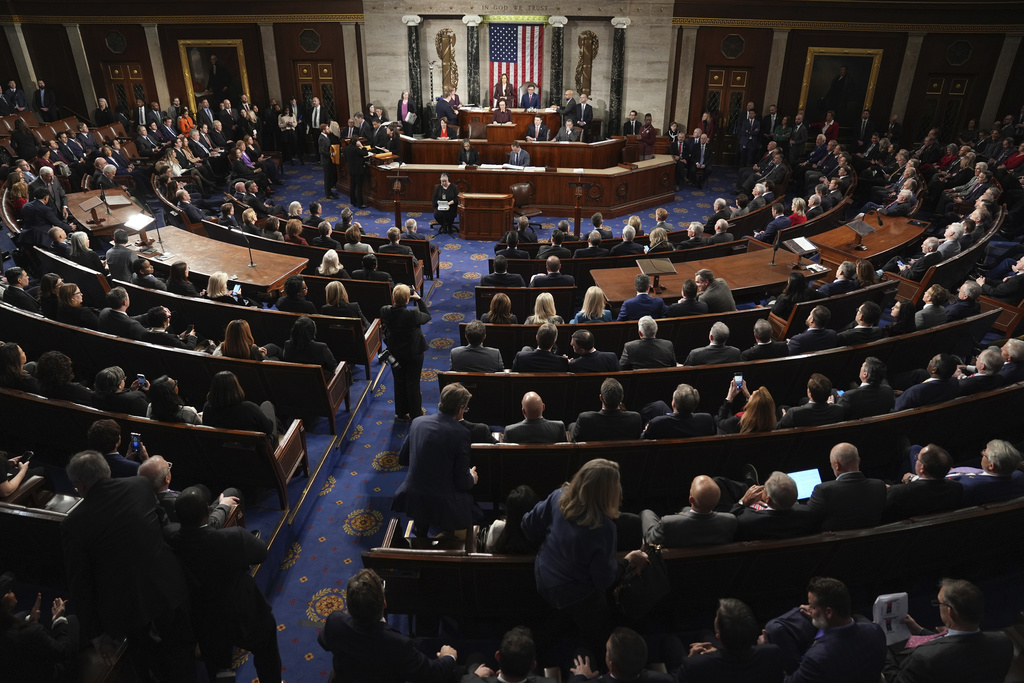
Washington — A congressional hearing intended to examine allegations of fraud in Minnesota erupted into partisan chaos this week, underscoring the widening divide between Republicans and Democrats over what constitutes accountability — and what issues deserve urgent national attention.
While Republican lawmakers, many aligned with the MAGA movement, pressed witnesses on state-level fraud allegations, Democrats repeatedly attempted to redirect the discussion toward rising costs of living, frozen federal assistance programs, and what they described as dangerous misinformation emanating from the White House.
The hearing, convened by the House Oversight Committee, quickly became a microcosm of a broader political struggle: whether Congress should focus on prosecuting localized fraud cases or confront systemic economic pressures affecting millions of Americans.
A Narrow Focus Meets Broader Concerns
Republican members framed the session around alleged fraud in Minnesota social service programs, citing whistleblowers and state investigations. Several GOP lawmakers argued that weak oversight under Democratic state leadership had allowed billions of dollars to be misused.
But Democrats countered that many of the most prominent fraud cases cited by Republicans had already been investigated or prosecuted under the Biden-era Department of Justice, and that singling out Minnesota served more as political theater than constructive governance.
Representative Maxwell Frost, Democrat of Florida, questioned witnesses about the selective outrage surrounding fraud, pointing to high-profile presidential pardons granted to individuals and corporations convicted of financial crimes.
“Fraud should always be prosecuted,” Mr. Frost said. “But accountability cannot stop at the state line — or at the White House gate.”
Conspiracies and Silence
Tensions escalated when Democratic lawmakers pressed Republican witnesses to respond to conspiracy theories recently circulated by former President Donald Trump on social media. The posts suggested, without evidence, that Minnesota Governor Tim Walz was linked to the murders of former Minnesota House Speaker Melissa Hortman and her husband.
Representative Ansari, a Democrat, asked witnesses from Minnesota’s legislature whether such rhetoric was appropriate for a sitting president. No Republican witness raised a hand to condemn the statements outright, prompting sharp rebukes from Democrats.
“This is not about partisanship,” Ms. Ansari said. “This is about whether we are willing to reject language that could incite real-world violence.”
Clips of the exchange spread rapidly across social media platforms including X (formerly Twitter) and YouTube, drawing widespread criticism from journalists, civil rights advocates, and former law enforcement officials.
A Clash Over Pardons and Power
Representative Ayanna Pressley of Massachusetts brought attention to what her office has termed the “clemency gap,” highlighting recent presidential pardons of individuals convicted of fraud, including former Congressman George Santos.
Ms. Pressley repeatedly asked Republican witnesses whether they opposed those pardons. Several declined to answer directly, leading her to accuse them of avoiding accountability.
“When fraudsters are pardoned at the highest levels of government,” she said, “the message to working families is devastating.”
Her remarks echoed concerns raised in recent reporting by major outlets and watchdog organizations, which have documented how pardons can erase restitution obligations totaling hundreds of millions — or even billions — of dollars.
Funding Freezes and Economic Fallout
As the hearing progressed, Democrats widened the lens, citing recent federal funding freezes affecting child care subsidies, social services, and cash assistance programs in states including Minnesota, New York, California, Illinois, and Colorado.
Representative Summer Lee of Pennsylvania argued that fraud enforcement should not be used as a justification to dismantle programs relied upon by low-income families.
“When funding is frozen or eliminated,” Ms. Lee said, “the people who suffer are not bureaucrats — they are children, parents, and seniors.”
According to nonpartisan policy groups, the affected programs serve tens of thousands of children in Minnesota alone, raising alarms among governors, advocacy organizations, and municipal leaders.
Incivility on Display
The hearing also drew attention for its breakdown in decorum. At one point, Republican lawmakers interrupted Ms. Pressley, referring to her dismissively as “baby,” prompting outrage among Democrats and calls for formal reprimands.
Video of the exchange circulated widely on MSNBC and independent political channels, fueling debate over gender, race, and respect in congressional proceedings.
“This is not oversight,” said Representative Melanie Stansbury of New Mexico. “This is distraction.”
January 6 and the Weight of Memory
In closing remarks, Representative Jim McGovern of Massachusetts criticized Republicans for failing to comply with a law requiring the installation of a plaque honoring Capitol Police officers who defended the building during the January 6 attack.
“Five years later, excuses remain,” Mr. McGovern said. “History will remember who honored the truth — and who tried to erase it.”
His comments referenced ongoing controversy over how the Trump administration has characterized the events of January 6, including a recent White House webpage that critics say downplays violence against law enforcement.
A Broader Reckoning
The hearing ended without resolution, but its impact continues to reverberate online and within political circles. Analysts note that the stark contrast between the parties reflects deeper disagreements about governance, truth, and responsibility.
As inflation, housing costs, and economic anxiety continue to weigh on American households, the question remains whether Congress can refocus on policies that directly address those pressures — or whether partisan spectacle will continue to dominate the national stage.