WASHINGTON — In a move that received almost no real-time attention but could shape the political fights of early 2026, the House of Representatives quietly agreed late Friday to take up two presidential veto messages issued by former President Donald J. Trump. The decision, made by unanimous consent and posted discreetly on the House Press Gallery’s social media account, signals what insiders describe as a rare moment of institutional pushback against the former president — and deepening fractures inside the Republican conference.
The procedural action sets the stage for possible bipartisan efforts to override Trump’s vetoes of two previously uncontroversial pieces of legislation: H.R. 131, the Arkansas Valley Conduit Act, and H.R. 504, the Miccosukee Reserved Area Amendments Act. Both bills had passed overwhelmingly, with broad bipartisan support, before being struck down by Trump for reasons widely viewed as retaliatory and deeply political.
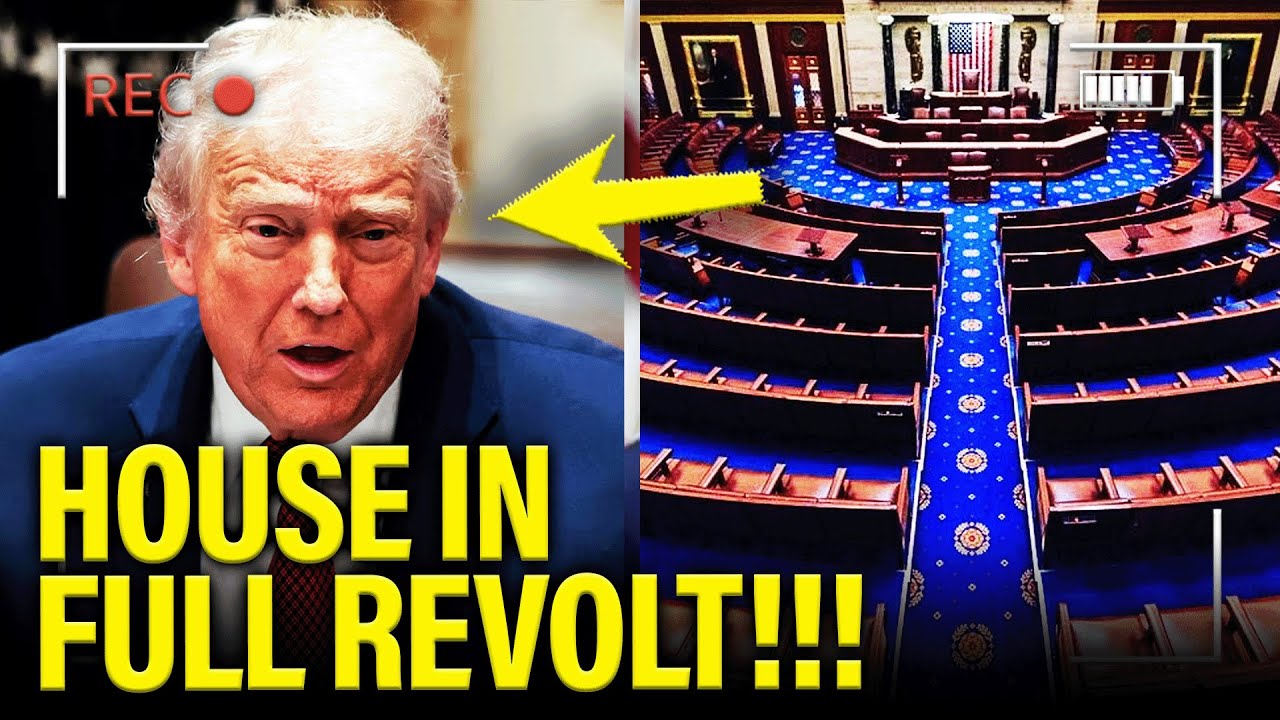
A Flashpoint Over Clean Water, Tribal Land, and Political Retaliation
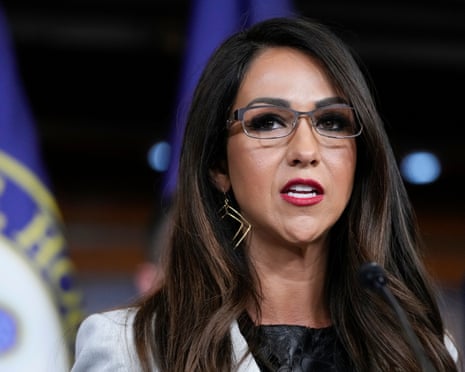
The Arkansas Valley Conduit Act, co-sponsored by Republican Rep. Lauren Boebert of Colorado, would deliver clean, safe water to roughly 50,000 residents in a region where groundwater contamination is an ongoing environmental and public health concern. The bill had been touted as a rare bipartisan victory — until Trump vetoed it, citing objections that surprised even allies.
According to congressional aides, the veto was widely interpreted as punishment directed at Boebert for signing a discharge petition demanding the public release of Jeffrey Epstein-related documents. Trump has fiercely opposed the measure, which has gained traction among both parties.
The second bill, involving the Miccosukee Tribe in Florida, addressed long-standing concerns about tribal land rights and environmental protections in the Everglades. Tribal leaders had recently clashed with Florida officials and Trump-aligned agencies over the construction of a controversial detention facility on ceremonial lands. Trump’s veto message cited the tribe’s opposition to his immigration agenda — a justification critics say amounts to political retaliation against an Indigenous community defending its territory.
Speaker Johnson Under Pressure as GOP Infighting Escalates
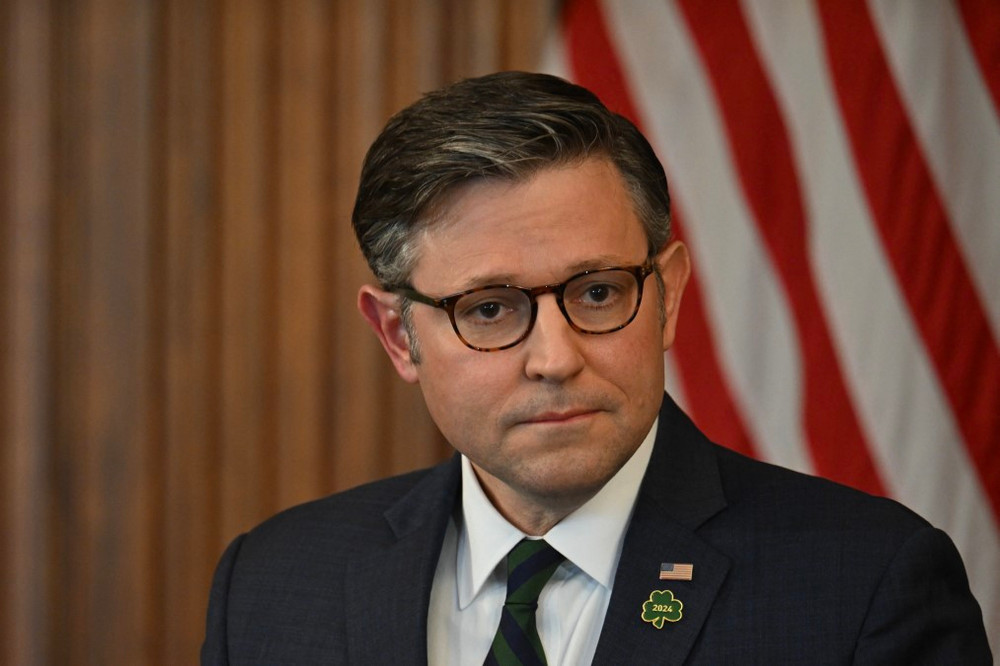
Perhaps the most surprising element of Friday’s development is how it occurred: quietly, without objection, while House Speaker Mike Johnson — a close Trump ally — faces mounting rebellion from within his own ranks.
In recent weeks, several Republican lawmakers have openly criticized Johnson’s leadership, with members such as Rep. Marjorie Taylor Greene claiming he acts as “Speaker in name only,” simply following Trump’s directives. Other Republicans, including Reps. Mike Lawler and Don Bacon, have publicly chastised the Speaker for refusing to allow key votes, including an extension of Affordable Care Act subsidies that are set to expire at year’s end.
With a government shutdown looming on January 30 and nine of twelve federal funding bills still unfinished, Johnson appears politically cornered. Allowing the veto reconsiderations to move forward, analysts say, may be a concession to factions inside the GOP seeking distance from Trump’s most controversial decisions.
A Crowded Agenda and a Narrow Window
When lawmakers return to Washington on January 8, they will face a compressed schedule: just twelve legislative days to avert a shutdown, resolve internal disputes over health insurance subsidies, and manage a growing number of bipartisan discharge petitions — including those forcing votes on the Epstein transparency measure and collective bargaining protections for federal workers.
In that context, taking up Trump’s vetoes represents both a symbolic and practical challenge for House leadership. To override the vetoes, each chamber must secure a two-thirds majority. Given that both bills originally passed unanimously, House leaders are cautiously optimistic. The Senate, however, remains a wild card.
Meanwhile, Trump’s influence over conservative hardliners continues to shape legislative negotiations. Republicans close to Trump have urged Johnson to block any ACA subsidy extension, even as moderates warn of the political consequences. “Doing nothing is not an option,” said Rep. Brian Fitzpatrick, a Pennsylvania Republican, who broke with his party in 2017 to oppose an ACA repeal effort.
The Broader Political Stakes
The conflict over the vetoes comes amid heightened scrutiny of the Trump-aligned wing of the party. Investigations into the handling of Epstein-related documents, accusations of a cover-up of alleged sex trafficking ties, and the fallout from the hastily built Everglades detention center have intensified calls for transparency.
Democrats, sensing an opening, are expected to amplify these issues as the 2026 midterms approach. A bipartisan override of Trump’s vetoes would mark one of the most significant rebukes of his influence since he left office.
But the outcome is far from certain. Trump retains strong support among many Republican lawmakers — and a single objection in the Senate could derail the process entirely.
What Happens Next
The House will formally take up the veto messages on January 8. A vote to override could follow immediately or be delayed as negotiations unfold behind closed doors. If successful, the override would restore funding for the Arkansas Valley water project and reaffirm federal protections for Miccosukee tribal lands.
If unsuccessful, Trump will secure a symbolic victory — and deepen concerns among moderates about the party’s ability to govern effectively under his continuing influence.
For now, the only certainty is that internal tensions are rising. And as Congress returns to Washington under the weight of unfinished business, overdue budgets, and intensifying factional warfare, the question is no longer whether a confrontation is coming — but how quickly it will escalate.
This is the hidden section of your article…
You can add any text or media here, it will appear blurred.