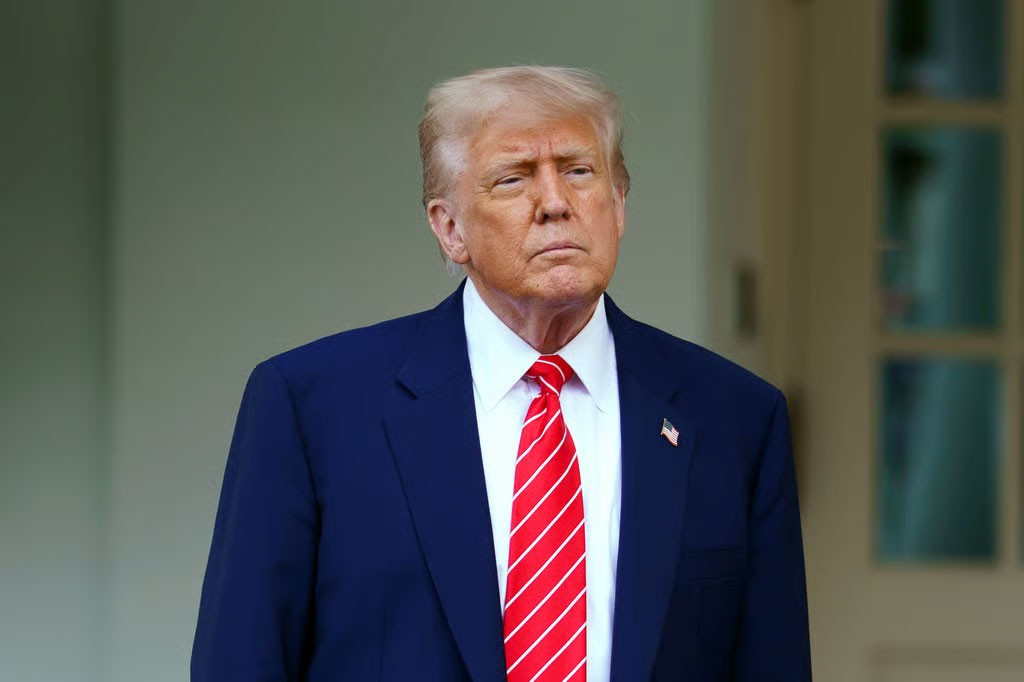
In an extraordinary and increasingly volatile diplomatic showdown, the United Nations Security Council convened an emergency session condemning the United States for its recent military operation in Venezuela — a mission the Trump administration continues to describe as a “surgical law enforcement action.” As the session unfolded in New York, President Donald J. Trump spent the morning posting a flurry of social media messages about the 2020 election, renewing widely debunked claims about voter fraud while global criticism mounted against Washington.
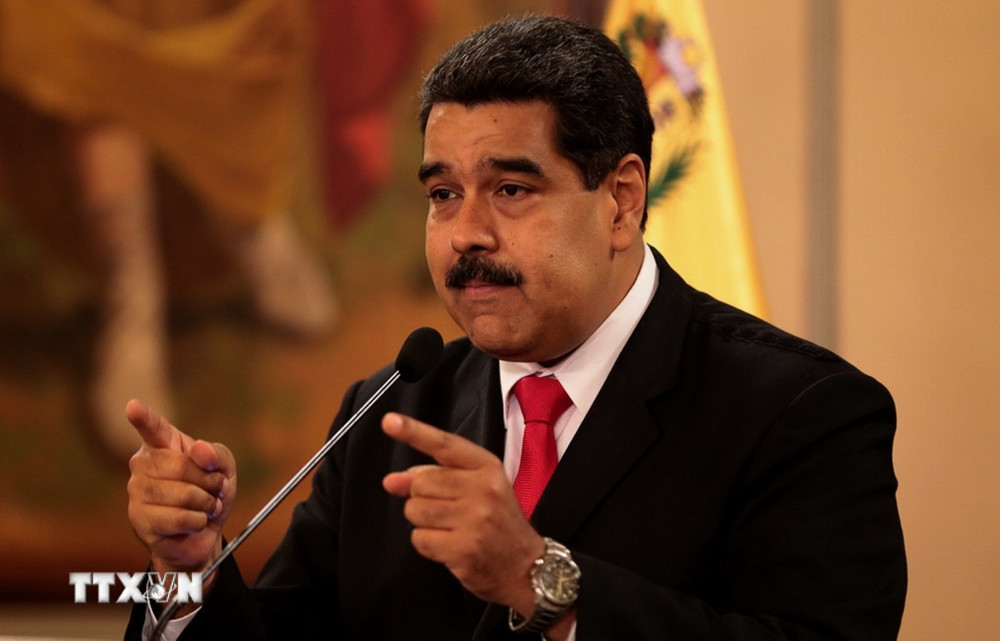
The dramatic collision between international law and the administration’s unilateral policy decisions set the stage for one of the most contentious Security Council meetings in recent years. Diplomats from China, Russia, Denmark, and multiple Latin American nations denounced the U.S. seizure of Venezuelan President Nicolás Maduro and his wife, calling the move a violation of the U.N. Charter and an alarming escalation that threatens global stability.

At the center of the diplomatic firestorm was Michael Waltz, the U.S. ambassador to the United Nations, who defended the operation as lawful, necessary, and strategically justified. Waltz argued that the Western Hemisphere “should be controlled by the United States” and suggested that Venezuela’s energy resources should not remain “under the control of adversaries.” Notably absent from his remarks were references to Venezuelan sovereignty, the U.N. Charter, or multilateral decision-making — omissions that drew immediate criticism from Security Council members.
China and Russia Lead Global Rebuke
China’s deputy ambassador issued one of the strongest condemnations, saying Beijing was “deeply shocked” by the military operation. China accused Washington of unilaterally abducting a sitting head of state, violating international norms, and destabilizing an already fragile region. The ambassador urged the U.S. to release Maduro and return to “political solutions through dialogue and negotiation.”
Russia’s ambassador, long a vocal critic of American interventions, seized the moment to highlight what Moscow calls the hypocrisy of the U.S.-led “rules-based international order.” He argued that Washington had demonstrated “unparalleled cynicism,” accusing the United States of pursuing unrestrained control over Venezuela’s natural resources. The ambassador called for Maduro’s immediate release and said the U.S. had no authority to unseat a foreign president.
The Russian condemnation carried particular diplomatic weight, as it mirrored criticisms often directed at Moscow itself. Yet diplomats noted that Washington’s actions had left it isolated, undermining its moral authority to challenge similar conduct elsewhere.
Concerns Expand Beyond Venezuela
One notable dimension of the emergency meeting involved growing anxiety about the Trump administration’s broader geopolitical posture. In recent weeks, President Trump has publicly hinted at U.S. territorial ambitions in the Western Hemisphere, including remarks about potentially taking control of Greenland — a self-governing territory of the Kingdom of Denmark.
Denmark’s ambassador used the forum to remind the Council that territorial integrity is “not up for negotiation,” invoking Article 2(4) of the U.N. Charter. The statement was interpreted as a direct warning to Washington, signaling Europe’s alarm over the President’s increasingly assertive rhetoric.
Separately, leaders from Brazil, Chile, Colombia, Spain, Mexico, and Uruguay issued a joint statement outside the U.N., rejecting any attempt by the United States to “run” Venezuela or exploit its natural resources. England’s Prime Minister Keir Starmer also reaffirmed his support for Denmark in the dispute over Greenland, emphasizing that “the future of Greenland is for Greenland and the Kingdom of Denmark.”
The U.N. Secretary General Calls for Restraint
During the session, Rosemary DiCarlo, U.N. Under-Secretary-General for Political and Peacebuilding Affairs, delivered a stark message on behalf of Secretary-General António Guterres. She warned that the U.S. operation undermined essential international norms, including the prohibition on the use of force and respect for territorial integrity. Guterres called on member states to recommit to the U.N. Charter and urged Venezuelan political actors to pursue a democratic, inclusive resolution to the country’s long-running crisis.
The Secretary-General’s message underscored the severity of Washington’s diplomatic isolation and the magnitude of the breach that many nations believe the U.S. has created within the international system.
Domestic Political Response Falls Along Partisan Lines
While the global reaction was overwhelmingly critical, several prominent Republican lawmakers defended the administration. Representative Scott Fitzgerald compared the operation to historical Monroe Doctrine enforcement, while Senator Rick Scott praised the action as a step toward “freedom and democracy” in Venezuela — despite President Trump’s public support for individuals aligned with Maduro’s own political faction.
Representative Tom Emmer went further, calling the operation a “great day” for stability in the Western Hemisphere and describing Trump as a “president of peace.”
Democrats, in contrast, expressed alarm that the administration had bypassed congressional authorization and international law. Critics warned that the U.S. could face long-term geopolitical backlash, including eroded alliances and strengthened ties between China, Russia, and other U.S. adversaries.

A Crisis With Global Implications
The emergency meeting laid bare growing fears that the international order may be shifting sharply. With China and Russia portraying themselves as defenders of international law — and the United States facing broad condemnation — diplomats said the geopolitical balance could tilt in lasting ways.
For now, Washington insists the Venezuela operation was lawful and justified. But the international community appears largely unconvinced, and the Security Council’s reaction suggests that the diplomatic fallout may be only beginning.
As President Trump continues to focus publicly on unsubstantiated claims about the 2020 election, the broader strategic and diplomatic crisis is rapidly intensifying — one that could reshape U.S. relations across multiple continents for years to come.