Justice Department Repeatedly Rebuked by Federal Judge in Comey-Related Case, Raising Questions About Competence and Motive
WASHINGTON — In a series of sharply worded orders over the past week, a federal judge in Washington has repeatedly chastised the Department of Justice for failing to follow basic court instructions in litigation tied to an attempted prosecution of former FBI Director James Comey, a case that has already collapsed once and now appears increasingly mired in procedural missteps.
The dispute, though technical on its surface, has become emblematic of a broader concern among legal observers: whether the Justice Department, under mounting political pressure, is struggling to meet fundamental constitutional standards while pursuing high-profile figures associated with past investigations of President Donald Trump.
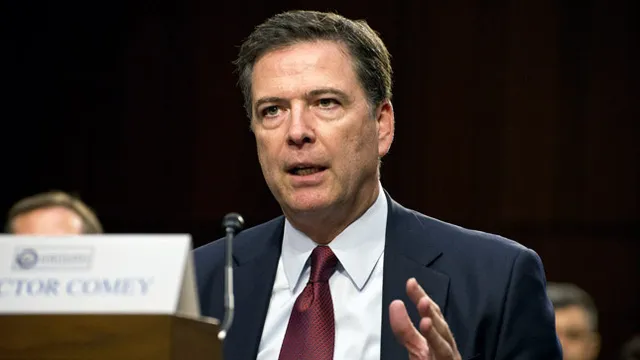
At issue is the government’s handling of electronic materials belonging to Daniel Richman, a longtime confidant and attorney for Mr. Comey. Those materials — seized years ago pursuant to earlier warrants — contain attorney-client communications that are presumptively privileged and protected by the Fourth Amendment.
In a recent order, the presiding judge made clear that the government’s continued review of those materials without a new, valid search warrant was impermissible. Yet prosecutors, citing staffing shortages and holiday schedules, returned to court with multiple emergency motions seeking more time — and, in the judge’s view, proposing actions she had already explicitly forbidden.
A Case Already on Shaky Ground
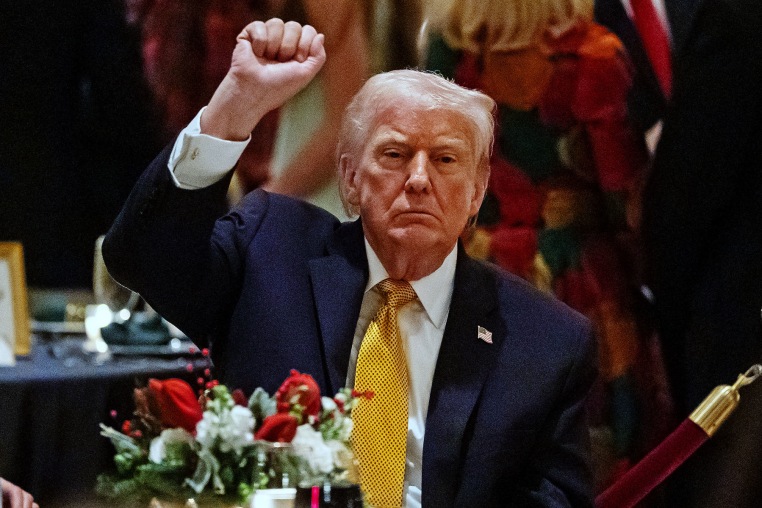
The Comey investigation has faced serious obstacles from the outset. An earlier indictment was dismissed after a court determined that the acting U.S. attorney overseeing the case had been improperly appointed. At the same time, potential charges related to Comey’s conduct — including his handling of memos documenting interactions with President Trump — appear to fall outside the five-year statute of limitations applicable to most federal crimes.
Legal analysts say those constraints left prosecutors with few viable paths forward.
“The government’s problem is not just procedural,” said a former federal prosecutor who reviewed the filings. “It’s substantive. Even if everything were done perfectly, it’s not clear there’s a timely, chargeable offense.”
That reality has fueled skepticism about why the Justice Department continues to press forward — and why it has done so in ways that appear to repeatedly test constitutional boundaries.
Privilege and the Fourth Amendment
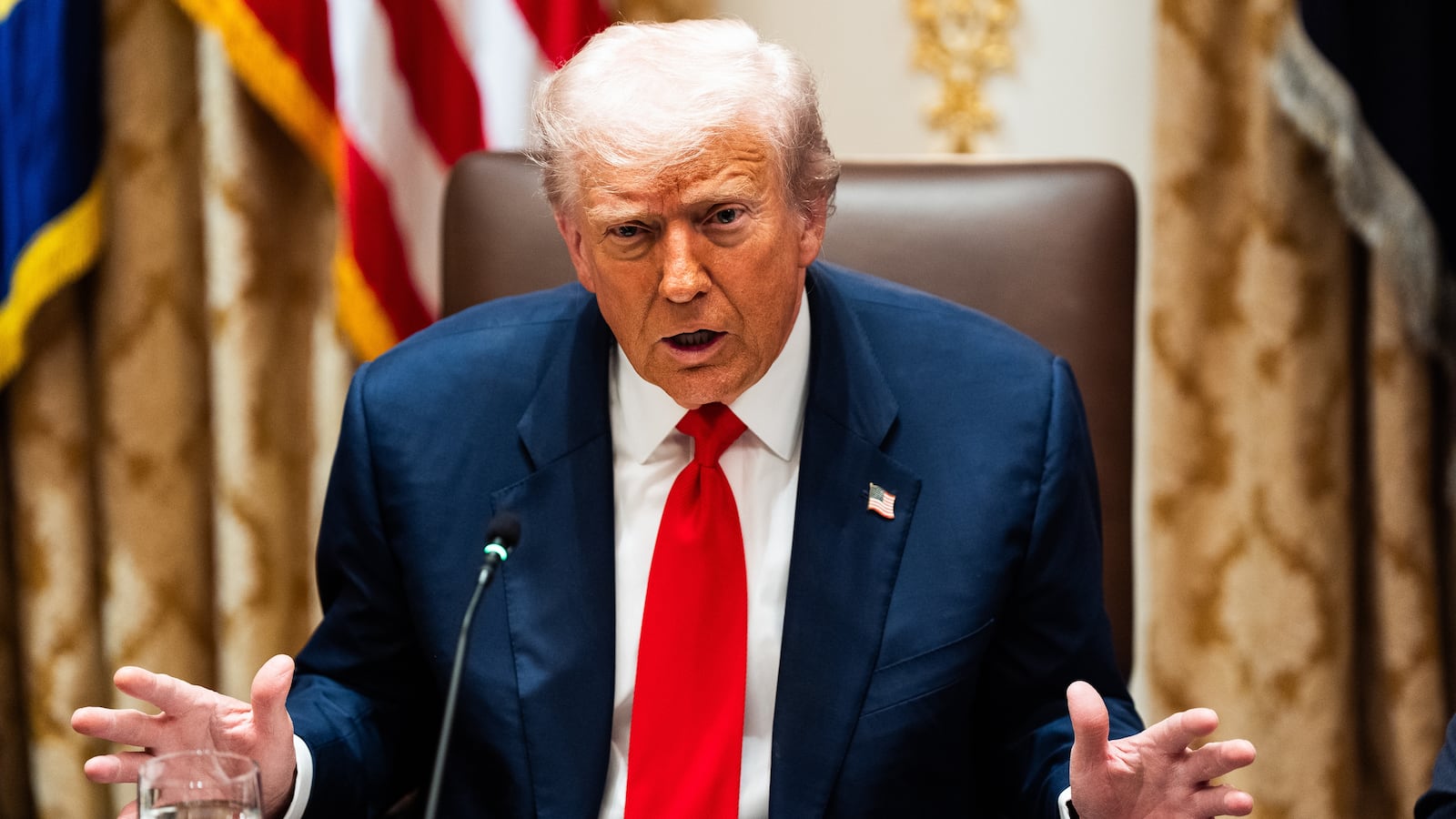
Central to the current dispute is the government’s access to Mr. Richman’s electronic files. According to court records, those materials were originally collected in response to two prior investigations, one in 2017 and another in 2020. The files were never properly segregated by warrant or date, a failure the court traced back to the first Trump administration.
When prosecutors revisited the archive earlier this year — just weeks before the statute of limitations was set to expire — an FBI agent reviewed the contents without a new warrant. That review included communications between Mr. Comey and his lawyer.
A magistrate judge later concluded that the warrantless search violated the Fourth Amendment, a finding that contributed to the dismissal of the indictment.
In subsequent civil litigation brought by Mr. Richman, the court issued what legal experts describe as a straightforward directive: create a complete copy of all seized materials, deposit that copy with the court, return all devices and files to Mr. Richman except for a single classified memorandum, and obtain a new warrant before conducting any further review.
Instead, prosecutors returned with emergency motions seeking extensions of time — motions that referenced continued review of the materials to identify and delete classified information.
That language prompted a pointed response from the judge.
“The court has been equally clear,” she wrote, “that the government may not conduct any additional review of petitioner Richman’s materials…without first obtaining a valid search warrant.”
Judicial Frustration on Display

The tone of the court’s orders has grown increasingly sharp. In rejecting the government’s explanations — including assertions that holiday schedules and staffing shortages made compliance difficult — the judge emphasized that constitutional protections do not yield to administrative inconvenience.
“She’s essentially saying: stop digging,” said a former federal judge. “This is Criminal Procedure 101. If you don’t have a warrant, you don’t search.”
The judge also declined the government’s suggestion that it continue serving as custodian of the materials, citing its own admissions that it had failed to track what was seized under which authority.
That refusal is notable. Courts typically presume good faith by federal prosecutors. Here, the judge signaled that trust had been eroded.
Political Context and Public Pressure
The Comey matter has unfolded amid an aggressive public campaign by Trump allies calling for prosecutions of former law enforcement and intelligence officials involved in the Russia investigation. Conservative media figures and influencers have openly discussed ongoing investigations, raising concerns among ethics experts about leaks from within the government.
While there is no public evidence linking those media statements directly to prosecutors in this case, the broader environment has placed unusual pressure on career officials.
“When cases look rushed, legally sloppy, and politically charged, people start to ask whether the goal is justice or spectacle,” said Stephen Gillers, a professor of legal ethics at New York University.
An Uncertain Path Forward
For now, the government has been granted limited additional time to comply with the court’s order — but only under strict conditions. Any further missteps could lead to sanctions, suppression of evidence, or broader judicial intervention.
It is also unclear whether prosecutors will be able to obtain a new warrant at all. To do so, they would need to present evidence of probable cause that has not already been tainted by prior unconstitutional searches — a difficult task, according to multiple legal experts.
“If your probable cause depends on what you already looked at illegally, you’re stuck,” said a former Justice Department official. “That’s the box they’re in.”
A Larger Signal
Beyond the fate of any single case, the episode has become a cautionary tale about the fragility of institutional credibility.
“The Justice Department lives and dies on public trust,” said the former judge. “When judges start spelling out the basics this explicitly, it’s a sign that something has gone badly wrong.”
Whether the department recalibrates — or continues down a path marked by emergency motions and judicial rebukes — may determine not only the outcome of the Comey matter, but also how the public views the rule of law in an increasingly polarized era.