Federal Judge Dismisses Charges Against TikTok Streamer Shot During ICE Operation in Los Angeles
Los Angeles — A federal judge has dismissed criminal charges against a TikTok streamer who was shot by a federal immigration agent during an enforcement operation in South Los Angeles last October, citing violations of the defendant’s constitutional rights and serious procedural failures by the government.
The ruling marks a significant setback for federal authorities and raises renewed questions about the conduct, training and oversight of Immigration and Customs Enforcement officers during immigration operations.
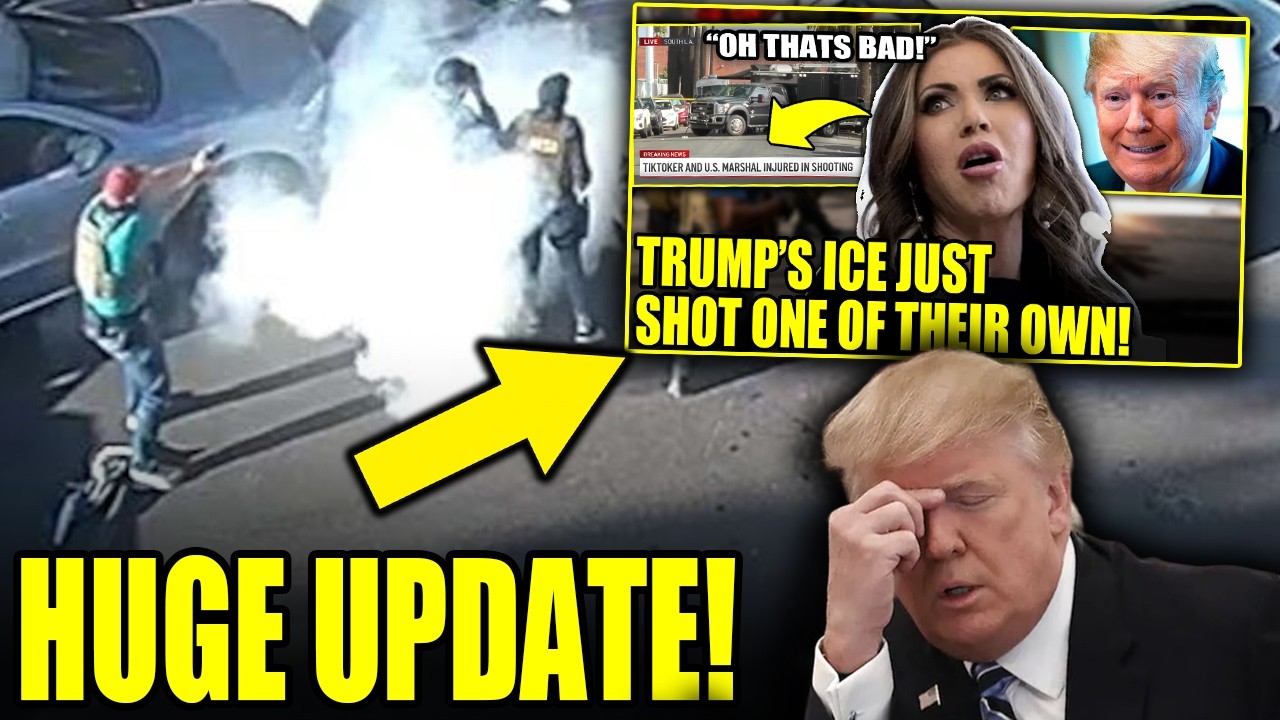
The case stemmed from a traffic stop carried out by federal agents near downtown Los Angeles, during which Carlos Ricardo Paras, also known online as “Richard LA,” was shot in the arm. A U.S. marshal was also injured by a ricocheted bullet. Paras, who is undocumented, is known for using social media to document ICE activity in immigrant communities.
At the time, the Department of Homeland Security said agents acted in self-defense, claiming Paras had attempted to ram law enforcement vehicles with his car while resisting arrest. That account was disputed almost immediately by witnesses and by video footage later released through court proceedings.
In a sharply worded decision, the federal judge overseeing the case dismissed the indictment with prejudice, meaning prosecutors are barred from refiling the same charges. The judge found that Paras had been denied timely access to legal counsel during a critical pretrial period and that the government had failed to meet discovery obligations, including the prompt release of body camera footage.
According to the court, these violations caused both “actual and threatened prejudice” to the defendant’s ability to prepare his defense, leaving dismissal as the only appropriate remedy.
Body camera footage reviewed by the court contradicted key elements of the government’s initial account. The video shows an ICE officer breaking the driver’s side window of Paras’s vehicle while holding a firearm, as Paras raises his hands and asks why he is being detained. At the moment shots were fired, the vehicle does not appear to be moving. Audio captured an officer acknowledging that he had fired the weapon.
The Department of Homeland Security has not issued a detailed response to the dismissal. A spokeswoman previously attributed the incident to the actions of the driver and criticized what she described as rhetoric encouraging resistance to law enforcement, but the court ruling did not support that narrative.
Despite the dismissal of the criminal case, Paras remains in federal custody pending separate immigration proceedings. Legal advocates note that the outcome highlights a broader reality in immigration enforcement: even when criminal charges fail due to government misconduct, individuals may still face detention or deportation through civil immigration processes.
The incident has drawn wider attention amid ongoing scrutiny of ICE operations nationwide. Civil rights groups argue that the case illustrates systemic problems, including inadequate training, excessive use of force and lack of accountability. Federal officials maintain that agents operate under difficult and dangerous conditions and that enforcement actions are necessary to uphold immigration law.
The ruling adds to a growing body of court decisions rebuking federal agencies for procedural violations in immigration-related cases. Legal analysts say it may also increase pressure on the Justice Department and DHS to ensure stricter compliance with constitutional protections, particularly when the use of force is involved.
As the immigration case against Paras continues, the dismissal of the indictment stands as a rare judicial rebuke of federal enforcement practices — and a reminder that failures of due process can undo even the most aggressive prosecutions.