Epstein Files Reignite Questions About Transparency and Unproven Allegations Involving Donald Trump
Washington — The incremental release of federal documents related to Jeffrey Epstein has renewed long-standing questions about prosecutorial decisions, government transparency, and the handling of explosive allegations that were never tested in court.
Epstein, the disgraced financier who died in federal custody in 2019 while awaiting trial on sex-trafficking charges, was first the subject of a sweeping federal investigation more than a decade earlier. According to attorneys representing Epstein’s victims, federal prosecutors in the Southern District of Florida prepared a 60-count indictment in 2007, supported by an 82-page prosecution memorandum detailing allegations of sexual abuse of minors.
That indictment was never filed.

Instead, Epstein entered into a controversial plea agreement with state prosecutors in Florida, pleading guilty to lesser charges. He served 13 months in jail, much of it under a work-release arrangement that allowed him to leave custody daily. Victims’ advocates have long argued that the deal effectively halted federal prosecution and allowed Epstein’s abuse to continue for years.
The decision not to pursue the federal case remains one of the central unresolved questions surrounding the Epstein scandal. Lawyers for survivors have repeatedly called for the release of internal Justice Department communications explaining why the prosecution was abandoned, arguing that the public has a right to understand how such an outcome was reached.
“The law is very clear,” said Jack Scarola, an attorney for several Epstein survivors, in a recent interview. “It does not matter whether the information is embarrassing or politically inconvenient. These documents must be released.”
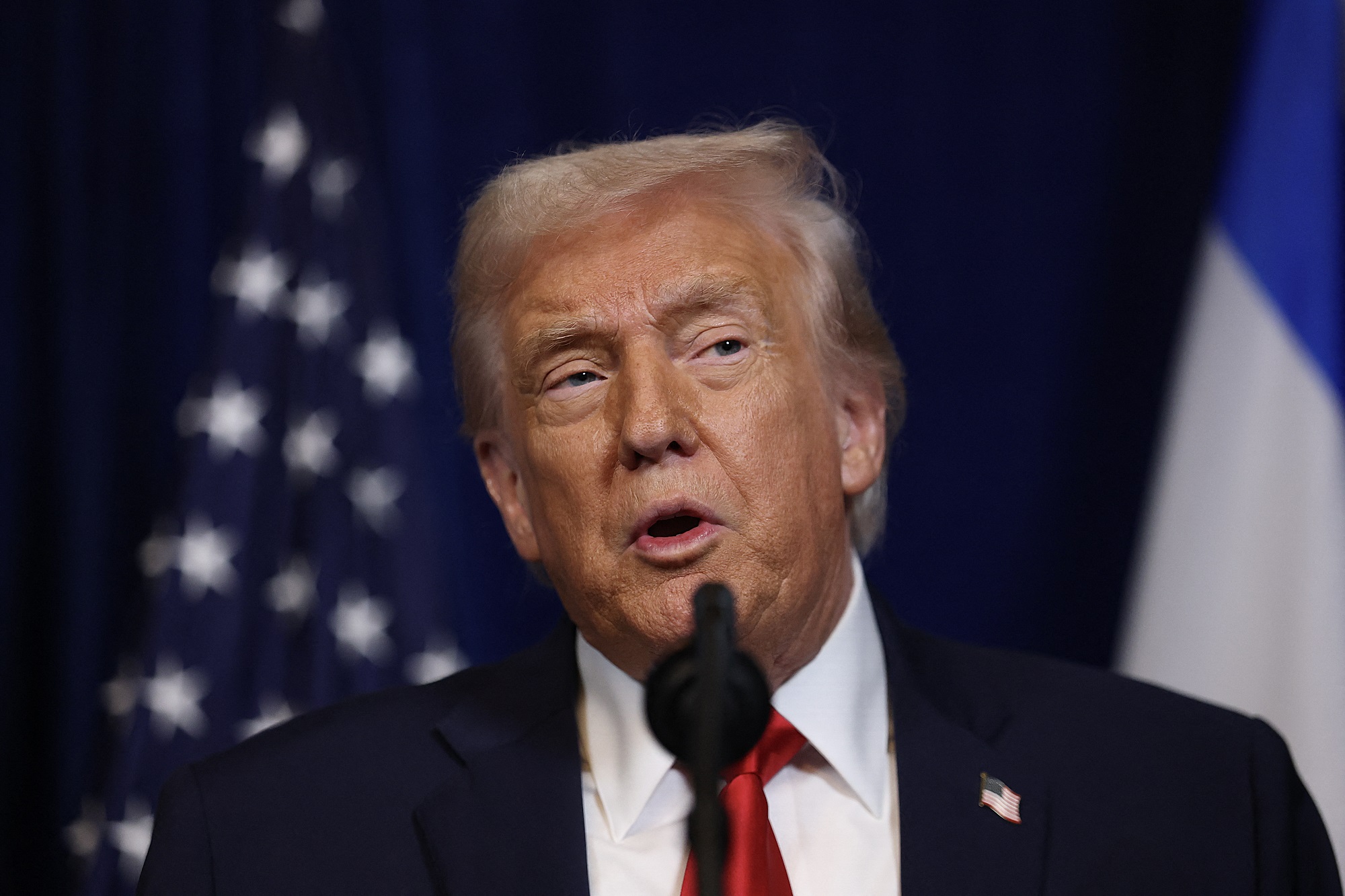
The renewed controversy comes amid criticism of the Trump administration’s Justice Department, which opponents accuse of resisting full disclosure of Epstein-related materials. Former President Donald Trump, who had social contact with Epstein in the 1990s and early 2000s, has denied any involvement in Epstein’s crimes and has never been charged in connection with them.
Trump has repeatedly said that he severed ties with Epstein years before Epstein’s first conviction, and his representatives have dismissed suggestions of wrongdoing as politically motivated smears.
Nonetheless, recent document releases have fueled public debate after they included unverified allegations — including FBI tips, which are raw, uncorroborated submissions from members of the public. Such tips are not sworn testimony, are not evidence, and may be entirely false.
One particular allegation, which has circulated widely on social media and video platforms, describes an extraordinary and disturbing claim involving a minor and an alleged death connected to Lake Michigan. The allegation has not been substantiated, has not resulted in criminal charges, and has not been proven in any court of law.
Law enforcement officials have not confirmed the credibility of the claim, and legal experts caution that the presence of an allegation in FBI files does not imply that it is true or that investigators found it credible. “FBI tips are starting points, not conclusions,” said one former federal prosecutor. “They range from useful to completely unfounded.”
Still, the mere appearance of such allegations in government files has intensified demands for transparency — and scrutiny of why certain information was withheld for years while other material is now emerging in piecemeal fashion.
Some lawmakers, including former Trump allies, have publicly criticized efforts to block the release of Epstein-related documents. Representative Marjorie Taylor Greene of Georgia said recently that attempts to conceal information about Epstein amounted to a betrayal of survivors, calling the situation “horrifying” and urging full disclosure regardless of political consequences.
Trump’s legal team has pushed back, arguing that releasing unverified claims risks misleading the public and weaponizing false information. His attorneys have emphasized that no credible evidence has linked Trump to Epstein’s crimes and that speculation based on unproven allegations is irresponsible.
The debate highlights a broader tension in American public life: the demand for transparency versus the dangers of amplifying unsubstantiated accusations. For Epstein’s victims, however, the focus remains less on sensational claims and more on systemic failure.
Why was a fully prepared federal indictment never filed? Who authorized the plea deal that spared Epstein from decades in prison? And what role, if any, did political influence play in those decisions?
As additional documents are released, observers say that only a comprehensive, independent review — grounded in evidence rather than rumor — can begin to answer those questions. Until then, allegations that have never been tested in court, however shocking, remain allegations — not legal findings.