Trump’s Secret Pressure Campaign on Epstein Files Sparks Political Firestorm
President Donald Trump’s latest political controversy is rapidly escalating into one of the most consequential transparency battles of his presidency, intertwining allegations of executive overreach, congressional pressure, and renewed scrutiny of his past relationship with Jeffrey Epstein.
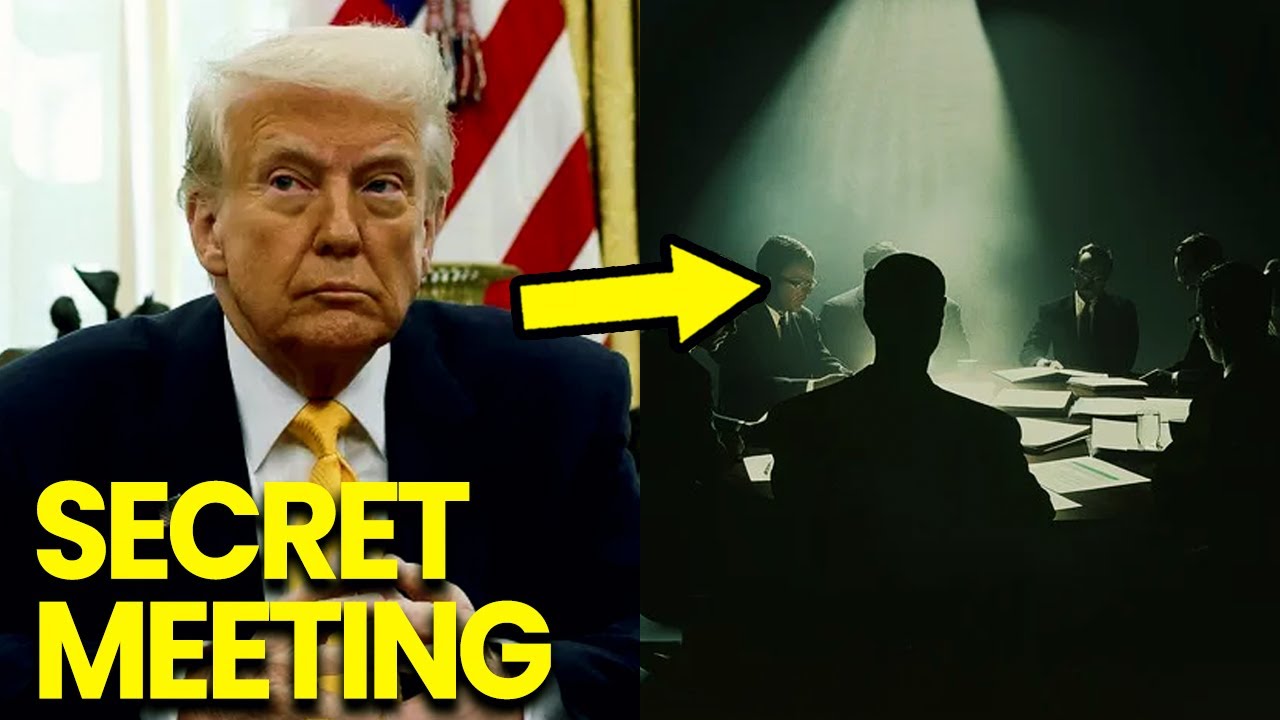
The controversy unfolded publicly on the same day Trump was promoting his economic agenda in North Carolina, a battleground state he narrowly won last year. While the White House framed the trip as part of an “affordability tour,” attention quickly shifted to revelations that Trump had secretly convened House Republicans in the White House Situation Room to pressure them into blocking the release of unclassified Epstein-related documents.
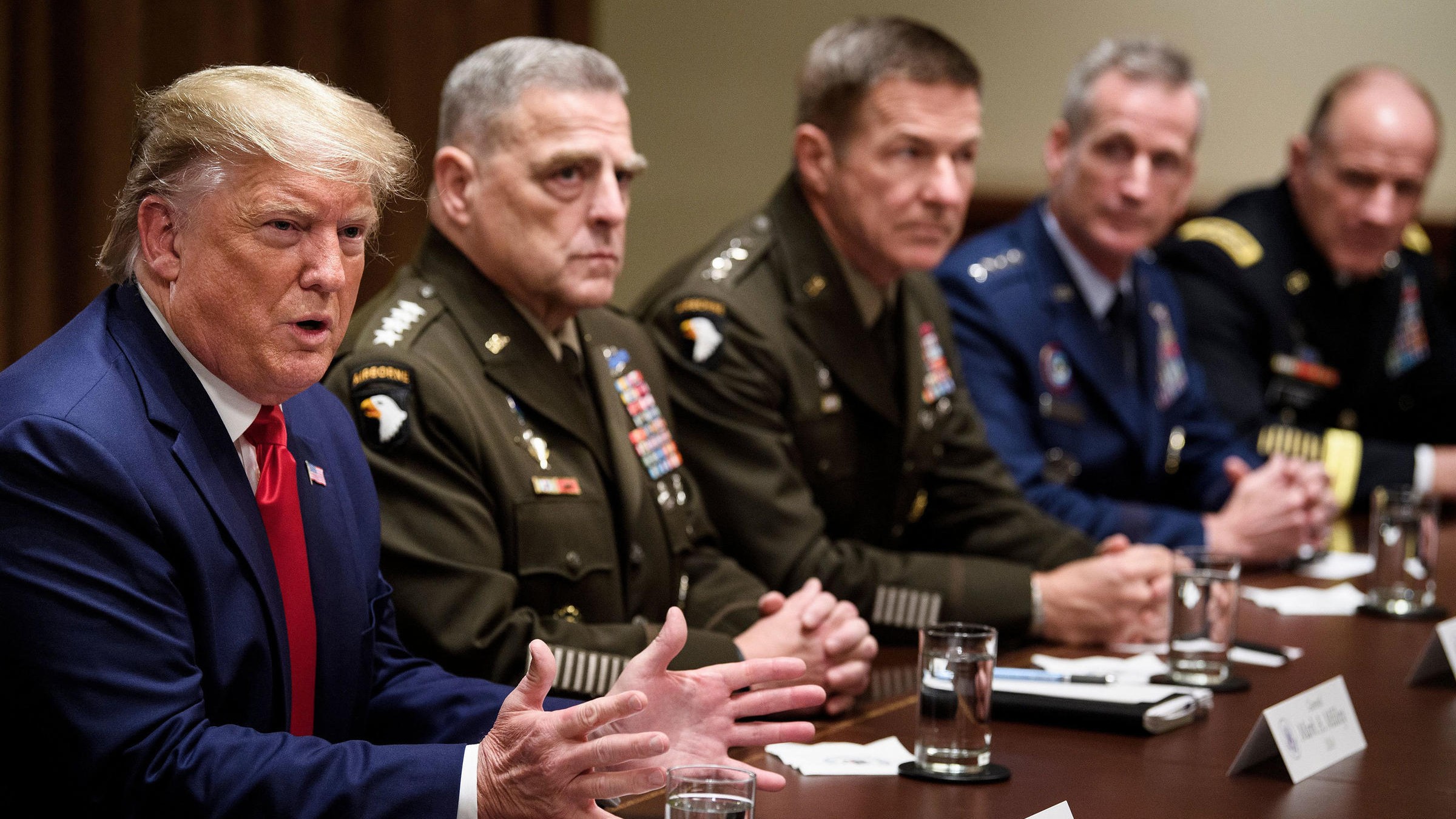
According to multiple reports, the meeting took place on November 12, 2025, and included Attorney General Pam Bondi, Deputy Attorney General Todd Blanch, FBI Director Kash Patel, and senior White House aides. The purpose was not national security, but politics: to stop a discharge petition that would force a House vote on the Epstein Files Transparency Act. That legislation would compel the Justice Department to release unclassified records detailing Epstein’s connections, associates, and activities.
Trump reportedly personally contacted Representatives Lauren Boebert and Nancy Mace, urging them to withdraw their signatures from the petition. He characterized the effort as a “Democrat hoax” and warned it would damage Republicans—and himself. At the time, the petition was nearing the critical threshold of 218 signatures required to force a floor vote.
What made the situation explosive was the timing. On the same morning as the Situation Room meeting, House Oversight Democrats released more than 20,000 pages of emails from the Epstein estate. Several of those emails directly contradicted Trump’s long-standing public claims that he barely knew Epstein and severed ties once Epstein’s crimes became known.
In one email, Epstein wrote that Trump spent “hours” at his residence with a woman later identified by Democrats as a trafficking victim. Another email from January 2019 suggested Trump knew about Epstein’s exploitation of underage girls, directly undermining Trump’s repeated denials. These emails were entered into the official congressional record, immediately intensifying scrutiny of Trump’s actions.
The pressure campaign backfired spectacularly. That same afternoon, newly sworn-in Democratic Representative Adela Gava added her signature to the discharge petition, pushing it past the 218-signature mark. The petition succeeded, guaranteeing a House vote on releasing the Epstein files—despite Trump’s efforts to stop it.
Facing public exposure, Trump abruptly reversed course. Within days, he began publicly urging House Republicans to support the Epstein Files Transparency Act, portraying himself as an advocate of disclosure. The shift stood in stark contrast to reports of his behind-the-scenes attempts to suppress the vote, raising questions about credibility and intent.
Critics argue the episode reveals a troubling pattern. Rather than allowing potentially damaging information to surface through lawful processes, Trump allegedly used the full weight of the executive branch to pressure lawmakers, involving the nation’s top law enforcement officials in what amounted to a political intimidation effort. The use of the Situation Room—a space traditionally reserved for national security crises—has drawn particular condemnation.

“This is about a president using federal power to protect himself,” said one Democratic aide familiar with the documents. “That’s not transparency. That’s abuse of authority.”
The implications extend beyond Trump personally. The incident underscores tensions between the executive and legislative branches and raises alarms about whether the Justice Department and FBI are being used as political tools rather than independent institutions. While the Epstein files are now slated for release, concerns remain that extensive redactions or delayed disclosures could blunt their impact.
Indeed, under Trump’s administration, the DOJ has begun releasing Epstein-related documents in batches, many heavily redacted. Critics worry this represents a shift from outright suppression to controlled disclosure—allowing transparency in form, but not in substance.
For Trump, the episode risks undercutting his political brand. He has long positioned himself as an outsider fighting corruption and defending transparency. Yet the revelations suggest a president willing to quietly block disclosures that could damage him, while publicly claiming the opposite once exposed.
As Congress prepares to vote on the Epstein Files Transparency Act, the broader question remains unresolved: will the full truth emerge, or will executive power continue to shape what the public is allowed to see? What is clear is that Trump’s secret pressure campaign has ensured that the Epstein files—and his role in trying to suppress them—will remain a defining issue of his presidency.