By XAMXAM
On a recent episode of Loose Women, what was meant to be a routine, low-stakes television appearance by Keir Starmer instead became a revealing moment about the state of contemporary leadership. The program, known for its conversational tone and forgiving atmosphere, offered Starmer an opportunity to project empathy and moral clarity. Instead, viewers witnessed a performance that many interpreted as uncertain, evasive, and disconnected from the public mood.

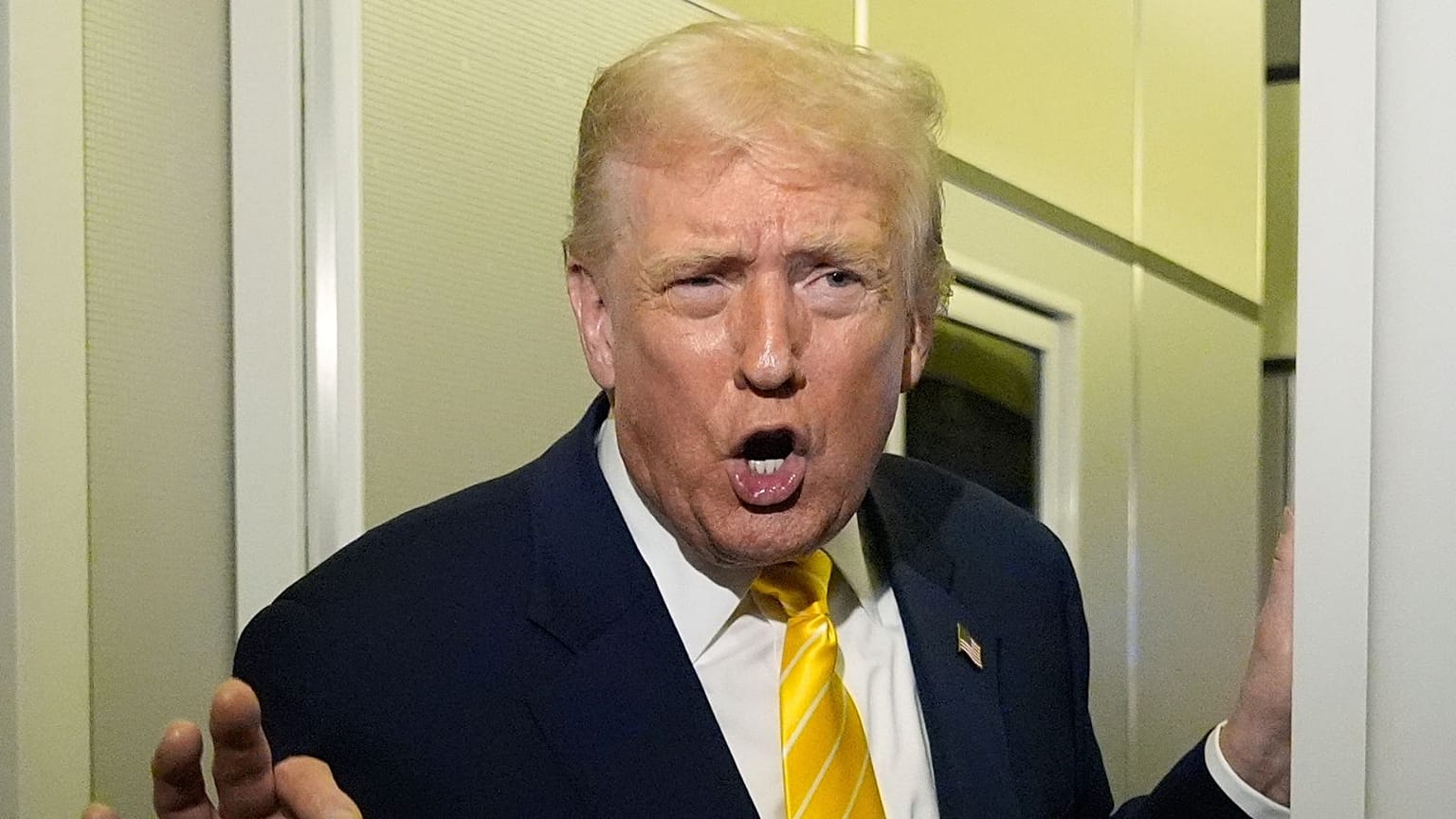
The exchange that triggered the backlash was deceptively simple. Starmer was asked whether language used by Donald Trump toward a female journalist — the phrase “Quiet, piggy,” reportedly uttered during a press interaction aboard Air Force One — should be considered misogynistic. It was the kind of question modern politicians are trained to anticipate: morally charged, symbolically loaded, and designed to test values rather than policy expertise.
Starmer’s answer, however, failed to land. Rather than clearly labeling the remark or rejecting it outright, he circled the issue. He said he would “call it out,” then quickly qualified his response, pivoting to a broader discussion about educating young people on behaviors they may not recognize as harmful. The effect was not nuance but dilution. What might have been intended as balance instead came across as retreat.
In isolation, such hesitation might have passed unnoticed. Politicians frequently hedge, particularly when discussing foreign leaders. But the context matters. British politics is entering a period in which voters appear increasingly impatient with ambiguity. Years of crisis — economic strain, cultural conflict, geopolitical uncertainty — have sharpened expectations. Leaders are no longer judged primarily on polish or technical correctness, but on something less tangible and more visceral: backbone.
The reaction to Starmer’s interview reflected this shift. Commentators quickly framed the moment not as a “gaffe,” but as evidence of a deeper problem. The issue, they argued, was not whether Starmer chose the perfect words, but whether he seemed willing to take a clear moral stance when pressed. In an era when political authority is fragile, hesitation itself can read as weakness.
Supporters countered that diplomacy requires restraint, particularly when addressing an American president who remains polarizing and powerful. They noted that the “Quiet, piggy” remark itself is contested, with some arguing it referred not to appearance or gender, but to journalistic behavior during a crowded press gaggle. In this interpretation, Starmer’s caution was responsible, not cowardly.
Yet television is an unforgiving medium. It compresses complexity into moments, and it rewards decisiveness over deliberation. On Loose Women, the cameras lingered as Starmer explained, qualified, and re-explained. Each additional sentence seemed to deepen the impression that he was uncomfortable taking ownership of a straightforward judgment.
This discomfort feeds into a broader narrative that has followed Starmer since he assumed national leadership: that he struggles to connect beyond controlled environments. His critics say he appears more at ease with legal arguments than emotional ones, more fluent in process than passion. Approval ratings, while shaped by many factors, reflect this perception. Moments like the Loose Women interview reinforce it.
The comparison with Trump, invoked repeatedly during the discussion, is telling. Trump’s appeal has never rested on moral precision. It rests on bluntness, on the sense that he says what he thinks without apology. For many voters, that quality — however controversial — reads as authenticity. Against that backdrop, Starmer’s careful phrasing risks looking bloodless.
None of this suggests that modern politics rewards recklessness. Saying the wrong thing still carries consequences. But the episode underscores a hard truth: voters are often more forgiving of blunt errors than of visible indecision. They may disagree with a leader’s stance, yet still respect the willingness to take one.
Starmer’s appearance on Loose Women was brief, but its resonance may be lasting. It offered a snapshot of the tension facing many centrist leaders today — caught between caution and clarity, diplomacy and decisiveness. In the end, the interview did not fail because of hostility or scandal. It failed because, at a moment that demanded simplicity, complexity took over.
Politics today is not judged on perfection. It is judged on whether leaders seem real, resolute, and unafraid of their own convictions. When that impression falters, viewers notice — and trust, once dented, is difficult to restore.