🔎 VIRAL OUTRAGE VS. VERIFIED CONTEXT: What Really Happened in the Trump “Santa Call” Moment—and Why It’s Back in the Spotlight
WASHINGTON — Social media erupted overnight with clips and captions alleging an “unthinkable” holiday gaffe during a Santa phone call involving Donald Trump. The posts, framed as a shocking revelation, triggered swift backlash and counterclaims—yet the underlying event is neither new nor clandestine. It traces back to a publicly documented holiday tradition that has resurfaced in a familiar viral cycle.
The original event, on the record
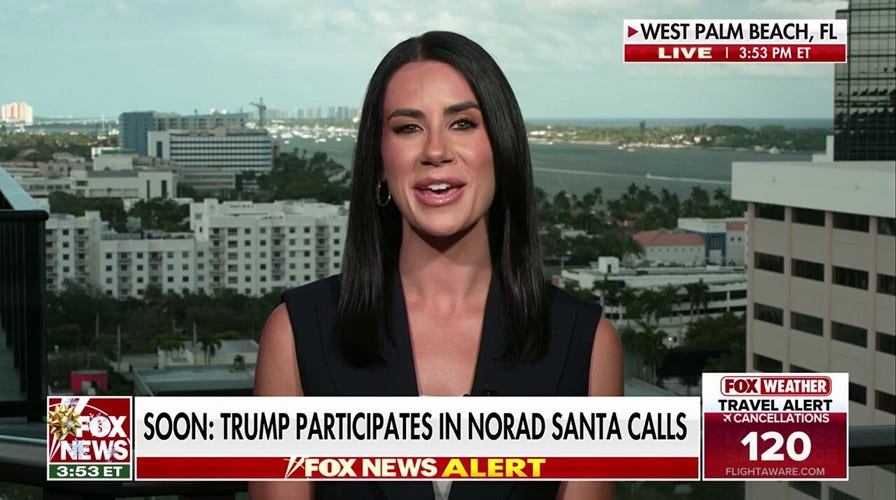
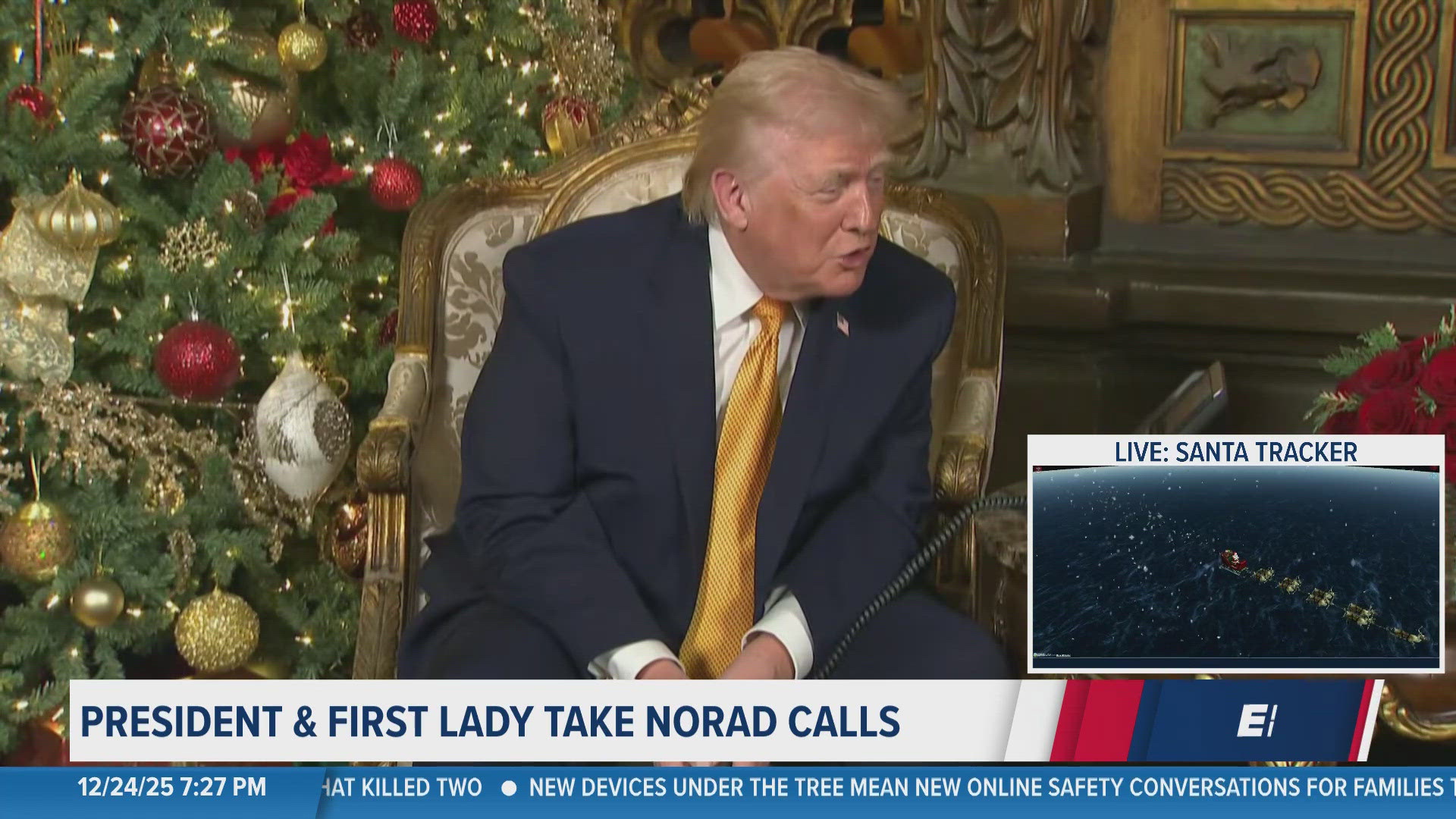
During his presidency, Trump and the First Lady participated in the NORAD Santa Tracker calls—an annual, televised tradition where officials speak with children tracking Santa’s journey on Christmas Eve. The calls were recorded, broadcast, and widely covered at the time. One exchange drew criticism when Trump asked a child whether she still believed in Santa and referenced age—comments some viewers found awkward or ill-judged for the setting.
Importantly, no secret audio has emerged. The clips circulating now are re-edits of public footage, slowed down, cropped, and captioned to heighten reaction. There is no newly released recording beyond what was already aired and archived by major outlets.
How a known moment became “breaking news”
The current wave followed a predictable pattern:
-
Repackaging: Old, public video is reframed as a “leak.”
-
Amplification: Short edits isolate moments, remove context, and add charged captions.
-
Polarization: Commentary splits instantly—condemnation versus minimization—fueling reach.
-
Urgency cues: Claims that clips will be “taken down” accelerate sharing, despite no evidence of censorship.
Media analysts note that holiday content is especially susceptible to re-viralization because it carries emotional weight and recurs annually.

What critics argue—and what defenders say
Critics maintain that the remarks were inappropriate for a children’s call, regardless of intent, and exemplify poor judgment in a ceremonial role. Supporters counter that the exchange was clumsy but not malicious, pointing to the unscripted nature of live calls and the absence of any private or concealed interaction.
Both sides agree on one point: the moment was awkward. Where they diverge is on interpretation—error versus offense—and on whether the renewed outrage reflects new information or recycled reaction.

Why this matters beyond one clip
The episode illustrates a broader dynamic in political media:
-
Context collapse: When long-form events are reduced to seconds, meaning shifts.
-
Moral acceleration: Online framing pushes audiences toward instant verdicts.
-
Algorithmic incentives: Platforms reward emotionally charged interpretations over clarification.
Ethicists caution against conflating discomfort with wrongdoing—especially when the source material is public and unchanged. “Awkwardness can be criticized,” one media scholar said, “but it shouldn’t be laundered into allegations that the record doesn’t support.”
What’s confirmed—and what’s not
Confirmed:
-
The Santa calls occurred publicly as part of NORAD’s annual event.
-
The footage has long been available and previously reported.
-
The remarks were widely described as awkward by contemporaneous coverage.
Not confirmed:
-
Any newly leaked audio.
-
Any concealed or private interaction beyond the broadcast.
-
Any escalation beyond public criticism already recorded at the time.
The responsible takeaway
Viewers are right to critique tone and judgment in public ceremonies involving children. They are also right to demand accuracy. The current backlash is driven by recontextualization, not revelation. Treating archived footage as a fresh “leak” obscures that distinction and inflames discourse without adding facts.
Before sharing, readers should ask: Is this new? Is it complete? Is it labeled accurately? In this case, the answers are no, no, and no.
As the holidays return—and with them, old clips—the lesson endures: context is the difference between accountability and amplification. Understanding that difference keeps debate grounded, even when emotions run high’