🔥 RUMOR VS. REALITY: Did T.R.U.M.P–Aligned Republicans Really “Lose” Texas and California at the Same Time? What the Court Rulings Mean—and What They Don’t ⚡
WASHINGTON — Social media lit up with dramatic claims that Donald Trump–aligned Republicans suffered simultaneous election defeats in Texas and California, triggered by federal courts blocking GOP-backed redistricting maps. The posts frame the moment as a political earthquake—“midterm chaos,” “red wall erased,” and a sudden reversal of a long-planned strategy. But a closer look shows a more technical—and less cinematic—reality.

What actually happened in court
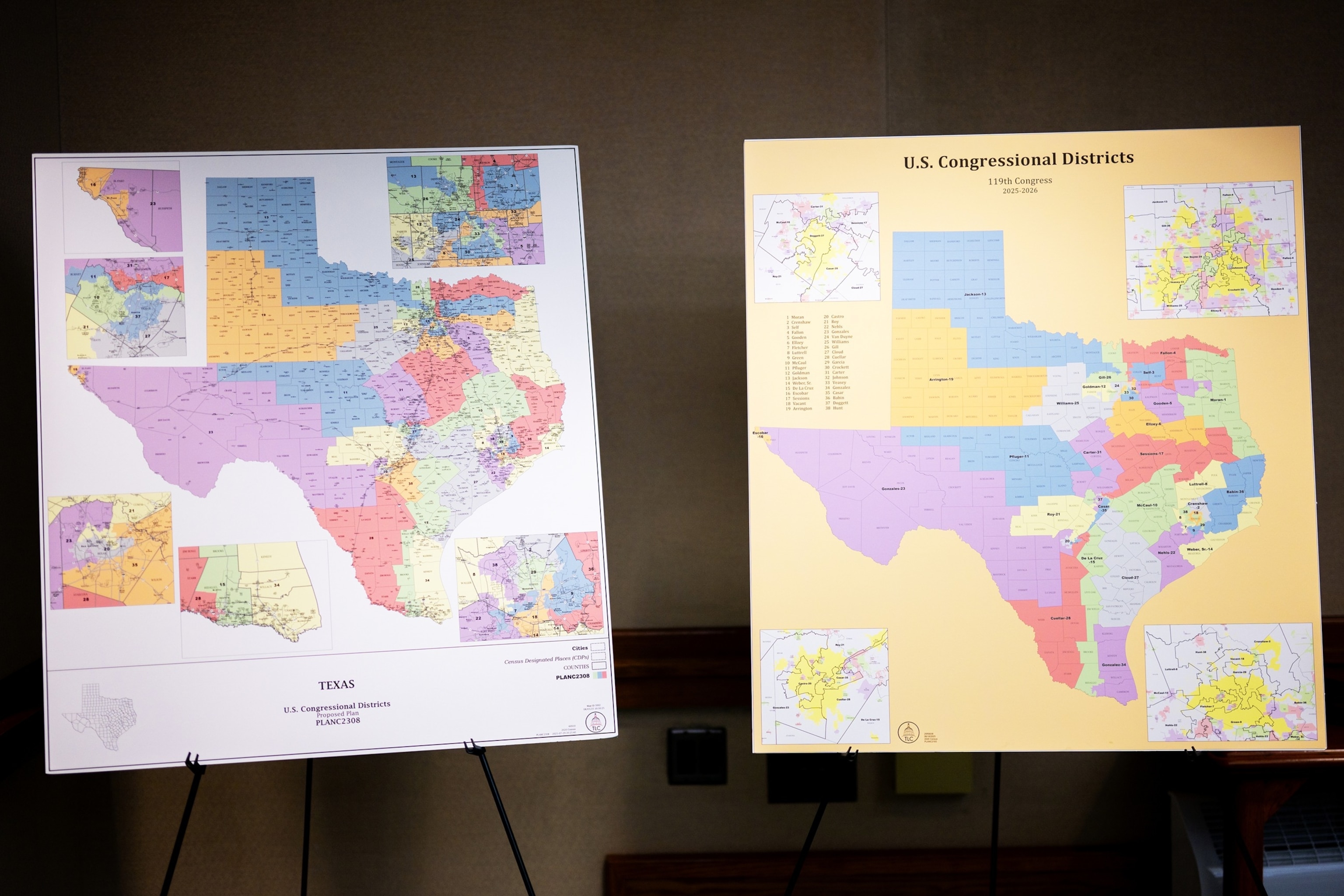
Federal courts periodically review congressional maps to ensure compliance with the Constitution and the Voting Rights Act. When judges pause, block, or remand maps, it is typically a procedural intervention, not an election result. Such rulings can require states to redraw lines, use interim maps, or return to prior versions—often temporarily—while litigation continues.
As of publication, there is no verified evidence of elections being decided tonight in either Texas or California as a direct result of these rulings. Instead, the viral claims appear to conflate redistricting setbacks with electoral losses. That distinction matters: courts can reshape the battlefield without declaring a winner.
Why Texas and California became flashpoints
The two states sit at opposite poles of the partisan map but share a common pressure point—rapid demographic change and intense scrutiny of district boundaries. In Texas, population growth in urban and suburban corridors has fueled challenges to maps critics say dilute minority voting power. In California, an independent commission draws lines, but court challenges can still arise over compliance and interpretation.
When courts intervene in either state, the implications feel outsized. Intervene in both at once—even procedurally—and the internet reads it as a synchronized political defeat.
The claim of a “blocked GOP strategy”
Viral posts suggest courts erased a coordinated plan to “lock in seats” for the 2026 midterms. It’s true that redistricting can shape partisan outcomes at the margins. It’s also true that courts frequently narrow, adjust, or pause maps regardless of which party benefits. What’s missing from the viral narrative is confirmation that a final, binding decision has permanently invalidated maps in both states.
In practice, redistricting litigation is iterative. States appeal. Judges order revisions. Interim maps are adopted. Outcomes evolve. Calling this a decisive loss before appeals and remedies is premature.

Why the story spread so fast
Three accelerants drove virality:
-
Compression of process into outcome. Procedural rulings were reframed as electoral defeats.
-
Symbolic geography. Texas (red) and California (blue) together create a compelling “coast-to-coast” headline.
-
Timing anxiety. With midterms on the horizon, any map change is read as destiny rather than due process.
Add hashtags, cropped court documents, and breathless language—and the narrative outruns the docket.
What the rulings could mean
If courts ultimately require meaningful redraws, margins in some districts could shift. That might increase competitiveness in certain seats or reduce advantages created by prior lines. But competitiveness cuts both ways and depends on candidate quality, turnout, and national mood—factors courts do not control.
Talk of proportional representation “coming next” also leaps ahead of the law. Proportional systems would require legislative action well beyond redistricting litigation.
What the rulings do not mean
They do not declare election winners. They do not finalize maps for 2026. They do not guarantee partisan outcomes. And they do not confirm a White House “blindside.” Institutions rarely comment mid-litigation, which can be mistaken online for shock or defeat.
The sober takeaway
Redistricting cases are slow, technical, and consequential—but not cinematic. Courts act as referees, not scorekeepers. The real impact will emerge after appeals, revisions, and—eventually—votes cast under settled maps.
For readers, the best guide is patience. Check for final orders, not temporary injunctions. Distinguish map changes from election results. And remember: in the age of instant amplification, process is often mistaken for outcome.