A marathon House Oversight Committee hearing this week laid bare how immigration has become less a policy debate than a test of rhetorical endurance. Over nearly eight hours, Republican members pressed three Democratic governors—Tim Walz, J.B. Pritzker, and Kathy Hochul—with rapid-fire questions designed to force binary answers to complex issues. The exchange, clipped and amplified online within minutes, became a flashpoint not for new disclosures, but for the way modern oversight hearings now function.
The most viral moments came when lawmakers demanded “yes or no” responses to questions about abolishing Immigration and Customs Enforcement, the conduct of federal agents, and the record of the Biden administration’s border strategy. In one sequence, a member repeatedly asked whether a governor still supported abolishing ICE, citing past protests and media reports. The governor denied recalling such calls, a response that drew sharp rebukes and further questioning.
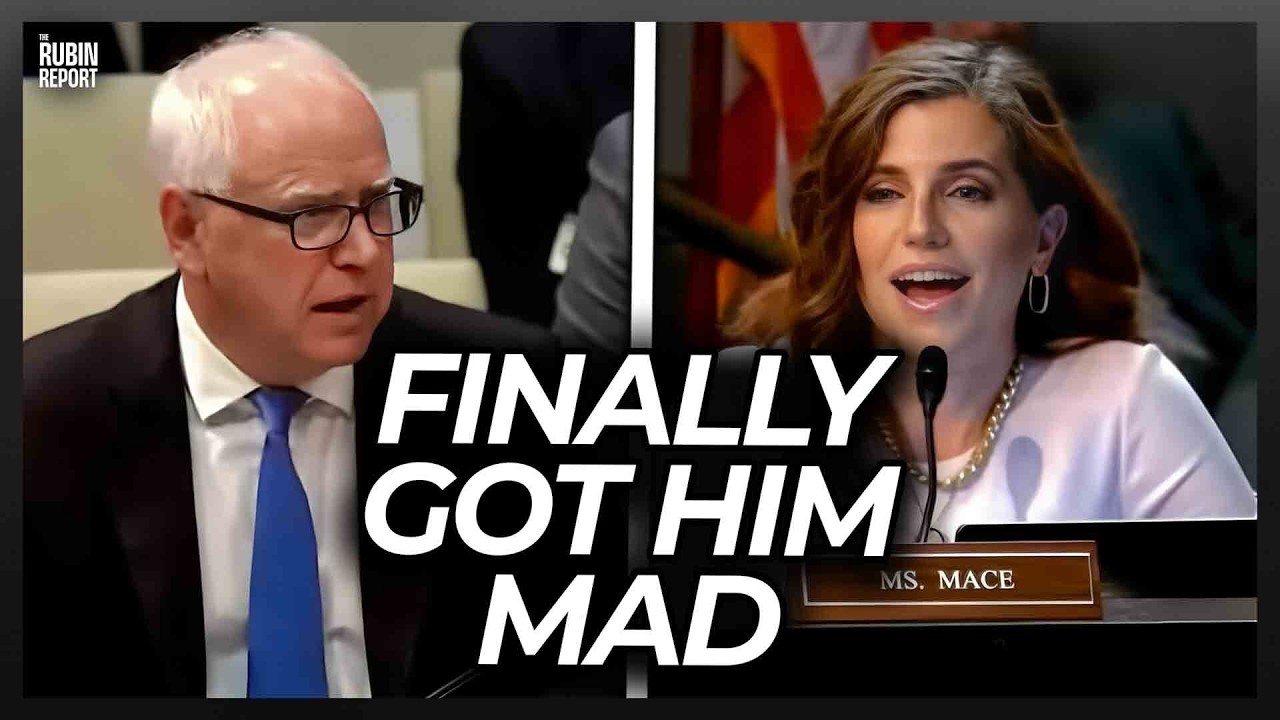
Such confrontations are increasingly common, former congressional aides say, because they compress nuance into moments that play well on television and social media. “Oversight hearings used to be about documents and timelines,” one former committee counsel noted privately. “Now they’re about forcing a clip.”
Immigration policy supplied the combustible core. Republicans framed the hearing as a reckoning for what they describe as permissive “blue state” approaches, arguing that sanctuary policies and rhetoric have weakened enforcement and endangered communities. Democrats countered that states do not control federal immigration law and that cooperation with federal agencies continues, even as they oppose what they call indiscriminate tactics.
The clash widened when members pivoted to national figures, asking governors to rate Vice President Kamala Harris’s performance on border issues and to describe internal conversations within the administration. The governors declined to score colleagues or speculate about private deliberations, prompting accusations of evasion.
Outside the room, the hearing collided with an already heated campaign climate shaped by Donald Trump’s renewed focus on immigration at rallies. Trump has recently revived broad claims about Minnesota fraud prosecutions and leveled personal allegations against Ilhan Omar, assertions that law enforcement agencies dispute and courts have not substantiated. Those remarks have intensified scrutiny of Minnesota’s pandemic-era fraud cases—real prosecutions involving dozens of defendants—but also blurred the line between documented crimes and political accusation.
At the hearing, that tension surfaced repeatedly. Republicans cited public anger over fraud and border enforcement as justification for aggressive questioning. Democrats warned that conflating verified indictments with unproven claims risks collective blame and undermines due process. Civil rights groups echoed that concern, noting that heated rhetoric can spill beyond policy disagreements into attacks on identity.
Behind the scenes, state officials say they are preparing for continued oversight. Minnesota, Illinois, and New York have all announced reviews and reforms following federal findings in pandemic programs, while insisting that prosecutions demonstrate enforcement rather than neglect. Federal investigators continue to expand their work, and lawmakers from both parties have called for tighter safeguards during emergencies.
What the hearing ultimately revealed was less about any single policy than about the state of political discourse. Demands for simple answers collided with the reality that immigration enforcement spans federal law, state cooperation, and judicial oversight. When governors refused to compress those layers into a syllable, frustration mounted—and cameras lingered.
By evening, the most incendiary exchanges were trending across platforms, detached from the longer testimony that filled the day. Analysts cautioned that this dynamic rewards spectacle over substance. “If the takeaway is who ‘won’ a verbal sparring match,” said a former member of Congress, “we miss the harder work of fixing what’s broken.”
The immigration debate will continue, likely in even sharper terms, as the election approaches. Whether future hearings produce more light than heat may depend on whether lawmakers—and audiences—are willing to accept that some questions resist a yes-or-no answer.