The latest flare-up in Minnesota politics did not arrive with a single revelation so much as a collision of narratives—federal prosecutions, social-media amplification, and long-simmering questions about oversight during the pandemic. At the center of the storm is Ilhan Omar, a prominent Democrat whose district includes communities deeply affected by one of the largest pandemic-era fraud cases prosecuted to date.
The case, widely known as Feeding Our Future, has already resulted in dozens of indictments and convictions tied to the misuse of federal child-nutrition funds. Prosecutors allege that defendants billed the government for meals that were never served, siphoning hundreds of millions of dollars during the Covid-19 emergency. The scheme has been described by federal officials as among the most significant frauds uncovered during the pandemic, and investigations remain ongoing.
What has changed in recent weeks is not the underlying case, but the way it has been drawn into a broader political argument. Conservative commentators and some Republican lawmakers have increasingly sought to connect the fraud to Democratic leadership in Minnesota, including Governor Tim Walz and Representative Omar. These efforts have gained traction online, where clips, claims, and speculative links circulate rapidly—often outpacing verified information.
Omar has repeatedly said she was not involved in the fraud and has emphasized that those charged should be held accountable. In public remarks, she has acknowledged that emergency programs created during the pandemic were implemented quickly and relied on third-party administrators, a structure that, she said, left gaps in oversight. Those statements have been seized upon by critics as admissions of failure, while supporters argue they reflect a widely shared reality of pandemic governance across states.
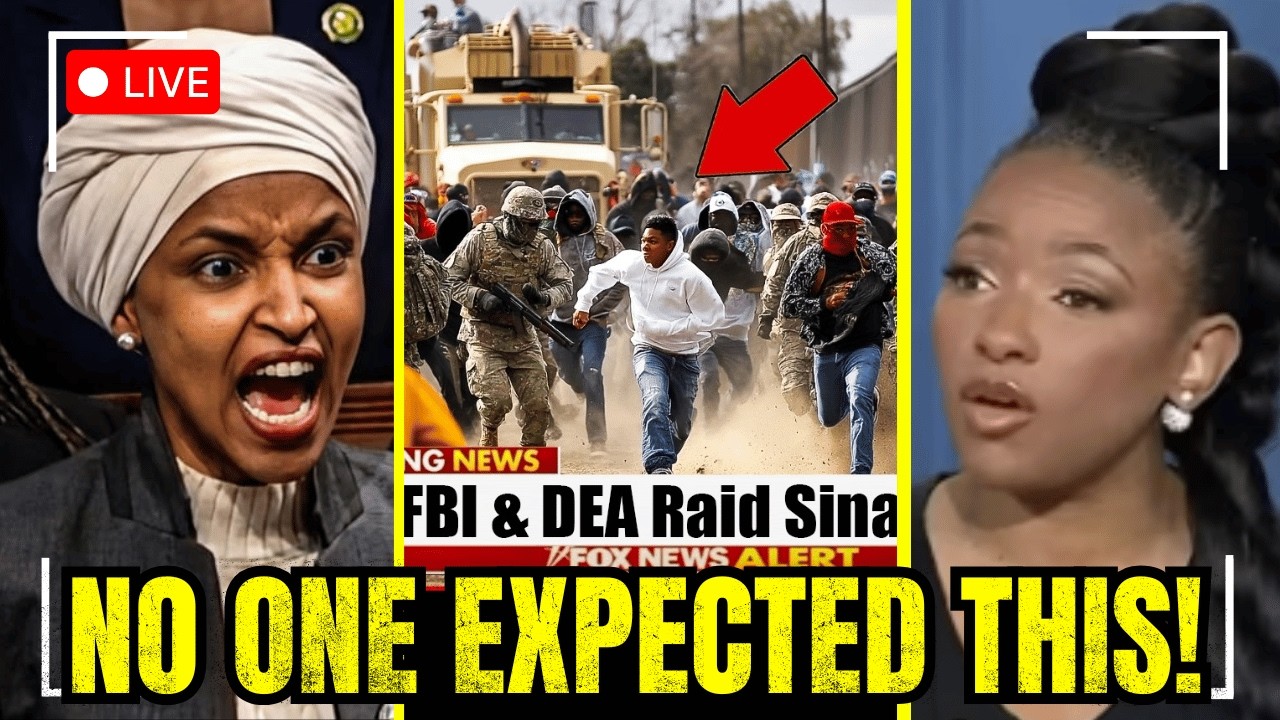
Federal authorities have not accused Omar of wrongdoing. No charges have been filed against her, and investigators have not alleged that she directed or benefited from the scheme. Nonetheless, the political pressure has intensified as opponents frame the episode as emblematic of broader governance failures. According to material circulating in conservative media, federal agents have increased enforcement actions in the Twin Cities, a claim local officials say conflates routine operations with the ongoing fraud case and unrelated immigration enforcement. Some of those assertions are disputed or lack corroboration in public records .

The amplification has been swift. On social platforms, viral posts blend confirmed facts—such as the scale of the Feeding Our Future prosecutions—with unproven insinuations about campaign donations, community ties, and overseas money flows. Analysts warn that the mix of verified court filings and conjecture has created an environment in which nuance is easily lost. “When large fraud cases intersect with identity politics and immigration debates, the risk of misinformation rises sharply,” said one former federal prosecutor who has followed the case.
Minnesota officials say reforms are underway. State agencies have tightened controls, expanded audits, and cooperated with federal investigators. Governor Walz’s administration has argued that the fraud was uncovered because whistleblowers and law enforcement pursued it—not because leaders ignored warnings. Critics counter that earlier red flags were missed or minimized, a claim the administration disputes.
For Omar, the moment underscores the costs of prominence. As one of the most visible members of the progressive wing of Congress, she has long been a magnet for scrutiny that extends beyond her voting record. Allies say the current wave reflects a familiar pattern: a complex policy failure recast as a personalized scandal. Opponents respond that accountability demands sustained attention to how public money was protected—or not—during an unprecedented emergency.
What is clear is that the legal process continues to move at its own pace, largely separate from the online furor. Federal courts will determine guilt or innocence for those charged; inspectors general will assess oversight lapses; lawmakers will debate reforms. In the meantime, the political storm shows little sign of abating, fueled by a media ecosystem in which allegations travel faster than adjudication.
As Minnesota braces for further court dates and potential indictments, the episode offers a cautionary lesson. Large-scale fraud cases rarely remain confined to courtrooms. In a polarized era, they become vessels for broader anxieties about governance, identity, and trust—pressures that can reshape political fortunes long before the facts are fully settled.