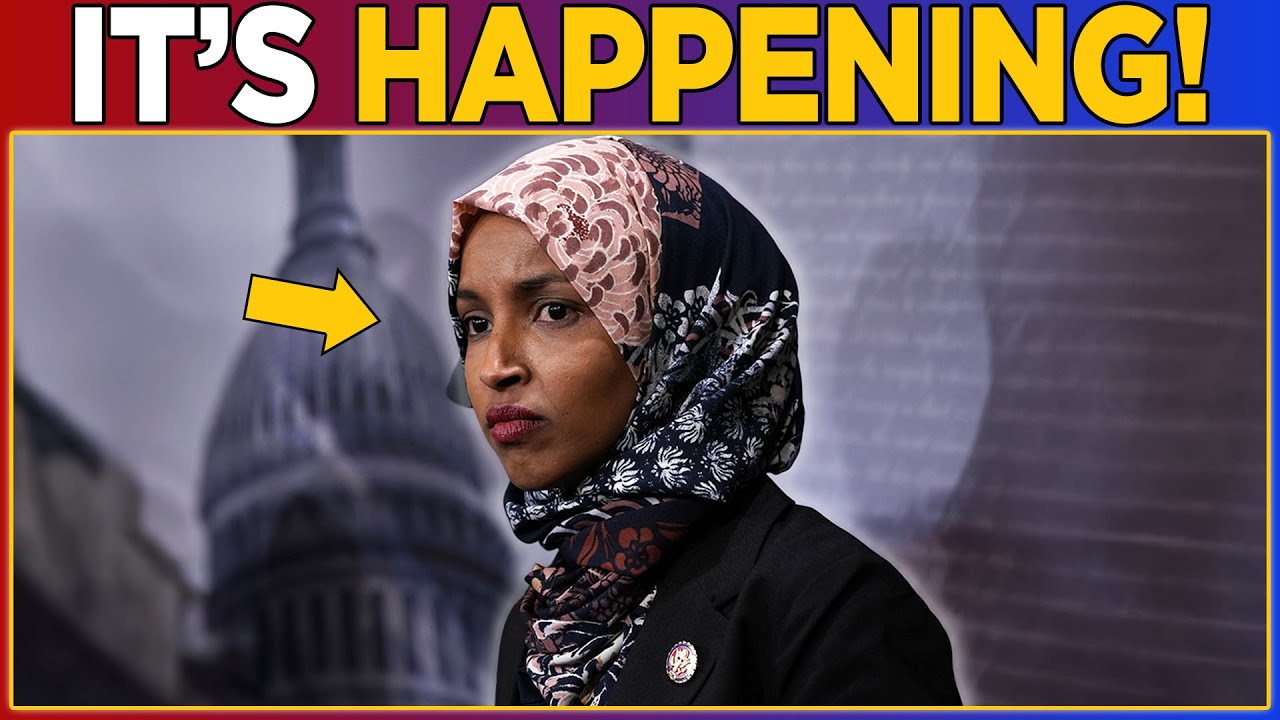
What began as a familiar cycle of partisan criticism has, in recent days, metastasized into a broader political storm surrounding Ilhan Omar, propelled as much by social media dynamics as by the substance of long-running disputes in Minnesota politics.
The spark was not a single revelation but a convergence: renewed attention to federal fraud prosecutions connected to pandemic-era aid programs in Minnesota; resurfaced video clips and past statements circulating widely online; and a new wave of commentary framing Ms. Omar as emblematic of deeper failures in oversight and accountability. Within hours, hashtags trended, edited clips multiplied, and claims—some substantiated, others speculative—were amplified far beyond their original contexts.
Supporters and critics quickly fell into familiar camps. Allies of Ms. Omar described the surge as a coordinated political attack designed to conflate unrelated cases and smear a high-profile progressive lawmaker. They emphasized that Ms. Omar has not been charged in any fraud case and warned against guilt by association. Opponents countered that the intensity of the reaction reflects genuine public frustration over oversight lapses and unanswered questions surrounding how public funds were distributed and monitored during the pandemic.
Behind the scenes, the speed of the escalation surprised even seasoned operatives. According to people familiar with internal discussions, aides and party officials moved rapidly to assess which claims were gaining traction and which required immediate rebuttal. Media teams prepared timelines and fact sheets, anticipating pointed questions from reporters and donors alike. At the same time, outside advocacy groups on both sides pushed their own narratives, feeding a feedback loop that rewarded the most provocative framing.
The controversy unfolded against the backdrop of the Feeding Our Future prosecutions, one of the largest pandemic-era fraud cases in the country, which has already resulted in multiple indictments and guilty pleas. While prosecutors have focused on specific defendants and organizations, the political aftershocks have extended far wider. Lawmakers across Minnesota have faced renewed calls to explain how safeguards failed and what reforms are needed to prevent a recurrence.
For Ms. Omar, the challenge is less legal than reputational. In the digital age, proximity—whether geographic, political, or rhetorical—can be recast as implication. Short clips, stripped of context, can circulate faster than corrections. Analysts note that the episode illustrates how modern political storms are often driven by amplification rather than discovery: the same facts, repackaged and pushed by influential accounts, can suddenly feel new and urgent.
Democratic leaders have responded cautiously, urging due process and warning against turning complex investigations into social-media verdicts. Some privately worry, however, that the intensity of the online reaction signals a broader vulnerability heading into a volatile election cycle, particularly in swing districts where trust in institutions remains fragile. Republicans, for their part, have seized on the moment to argue that Democratic governance in Minnesota failed to provide adequate oversight during a period of unprecedented federal spending.
Media scholars point out that the episode also reflects a shift in how political accountability is demanded. Emotional appeals that once dominated online debates now compete with calls for documentation, audits, and procedural clarity. “The audience is asking not just who to blame, but how the system worked—and why it didn’t stop abuse sooner,” said one analyst who tracks political misinformation and engagement patterns.

Whether the current wave subsides or intensifies may depend on what comes next: new court filings, additional indictments, or concrete policy proposals to strengthen oversight. Absent fresh developments, such storms often burn hot and fast, leaving behind hardened perceptions rather than resolved questions.
For now, the episode stands as a case study in contemporary political turbulence—where allegations, investigations, and identity politics intersect with an attention economy that rewards speed over nuance. As the debate continues, one reality is clear: in today’s media landscape, the line between scrutiny and spectacle is thin, and once crossed, it is difficult to redraw.