Long-running federal investigations into fraud within Minnesota’s social service programs are once again commanding national attention, this time amid heightened political tension and renewed scrutiny of state leadership. What had previously been treated as a localized scandal has reemerged as a broader debate over accountability, oversight, and the limits of emergency governance during the Covid-19 pandemic.
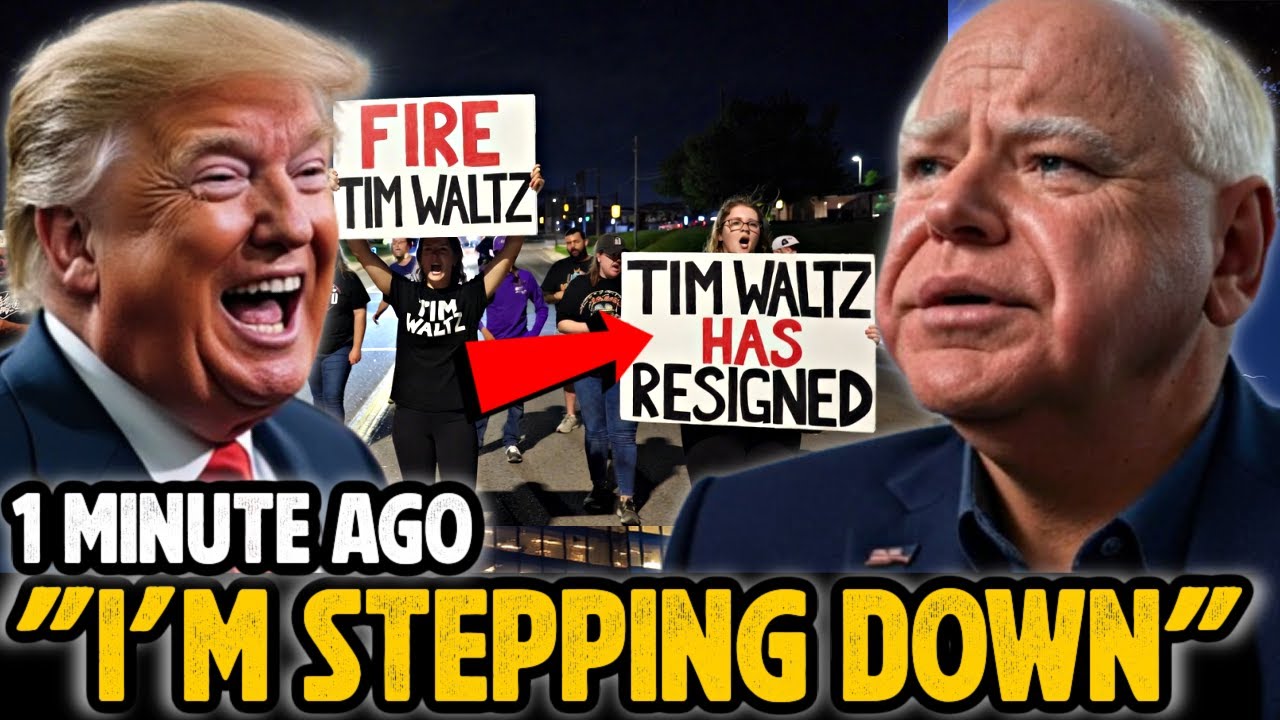
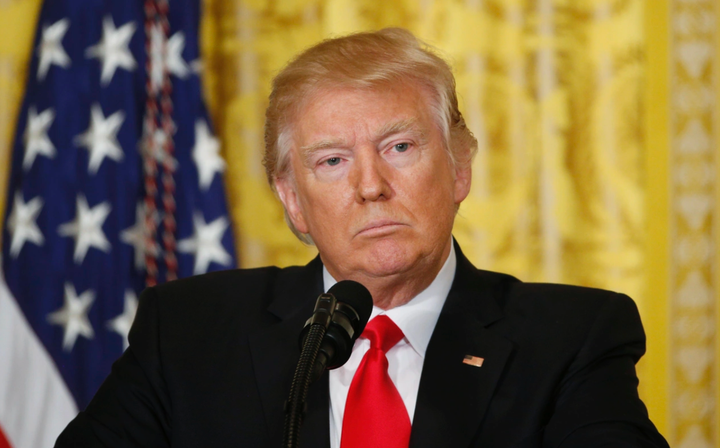
The renewed focus followed a series of public statements by Donald Trump, who sharply criticized Minnesota officials and accused Democratic leadership of failing to prevent what he described as “industrial-scale fraud.” His remarks, amplified across conservative media and social platforms, have placed fresh pressure on Tim Walz, the state’s Democratic governor, and on Ilhan Omar, whose name has resurfaced in political discussions surrounding the scandal.
At the center of the controversy are confirmed criminal cases. Federal prosecutors have already secured convictions against dozens of individuals involved in schemes to defraud public nutrition and welfare programs, most notably through the nonprofit Feeding Our Future. Court filings detail how defendants exploited gaps in oversight during the rapid expansion of pandemic-era assistance, submitting false claims for meals and services that were never provided.
The dollar figures involved are substantial. Prosecutors have documented hundreds of millions of dollars in fraudulent claims, and some estimates cited by lawmakers suggest potential exposure could climb higher as additional audits continue. However, officials caution that not all cited figures represent confirmed losses, and investigations remain ongoing.
Crucially, no elected Minnesota official has been charged with criminal wrongdoing in connection with these cases. That distinction has become central to the political divide. Republicans argue that the scale of fraud indicates systemic negligence, regardless of whether criminal intent can be proven at the leadership level. Democrats counter that responsibility for criminal acts rests with those convicted, not with policymakers who authorized emergency programs under extraordinary circumstances.
Governor Walz’s administration has defended its response, emphasizing that Minnesota, like many states, faced unprecedented pressure to deploy aid quickly during the pandemic. State officials note that once credible evidence of fraud emerged, agencies moved to suspend payments, tighten controls, and cooperate with federal investigators. The administration has also pointed to legislative reforms enacted since then, including expanded auditing authority and enhanced compliance requirements for nonprofit contractors.
Representative Omar, whose critics have highlighted past campaign donations from individuals later charged in the fraud cases, has repeatedly denied any knowledge of wrongdoing. Her office has stated that all contributions were legally reported and vetted at the time they were received, and that guilt by association is being used as a political weapon rather than as a factual claim supported by evidence.
Behind the scenes, federal scrutiny appears to be widening. Investigators have acknowledged ongoing reviews of additional assistance programs, including SNAP, Medicaid, housing aid, and disability services. Legal experts stress that expanded reviews do not imply new charges are imminent but reflect an effort to understand whether vulnerabilities exposed during the pandemic were isolated or systemic.
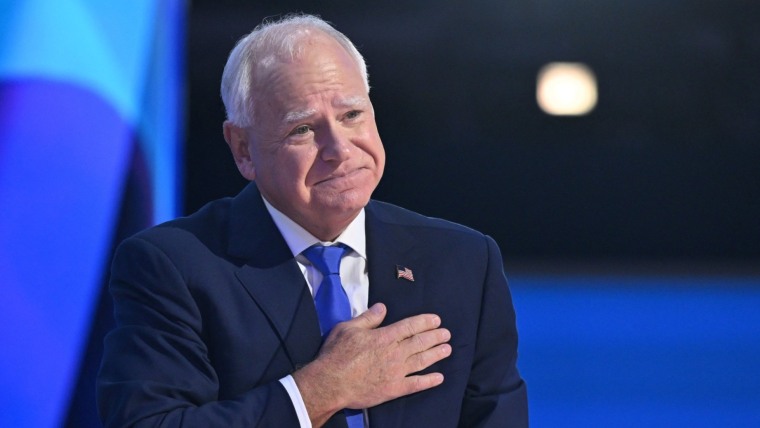
The political ramifications, however, are already taking shape. Within Minnesota, some Democratic officials privately acknowledge concern that the issue could erode public trust, particularly as viral claims circulate online with little context. Nationally, Republicans have seized on the controversy as emblematic of broader arguments about government waste and lax oversight in Democratic-led states.
“This is a classic collision between legal standards and political accountability,” said a former federal prosecutor familiar with large-scale fraud cases. “The courts will decide who committed crimes. Voters and lawmakers decide who bears responsibility for systems that failed.”
For now, the investigations continue, the political rhetoric escalates, and the gap between verified facts and partisan narratives grows wider. Whether the renewed attention results in resignations, legislative overhauls, or simply becomes another flashpoint in an already polarized election cycle remains uncertain.
What is clear is that Minnesota’s fraud cases, once considered largely resolved in the courtroom, have entered a new phase — one defined less by indictments than by perception, trust, and the enduring question of how governments should balance speed and safeguards in times of crisis.