Public frustration in Minnesota has reached a new pitch after federal investigators signaled that fraud tied to pandemic-era assistance programs may be far larger than previously understood. What had once been measured in the hundreds of millions is now, according to prosecutors and auditors, potentially approaching the billions, a recalibration that has intensified scrutiny of state oversight and political leadership.
At the center of the backlash is Tim Walz, whose administration oversaw the rollout of several emergency aid programs during the Covid-19 crisis. While investigators have not accused Walz or other senior officials of criminal conduct, the sheer scale of alleged losses has fueled a perception among many Minnesotans that systemic failures went unaddressed for too long.
Federal prosecutors have been careful in their language. They have described the higher figures not as final tallies, but as potential exposure—an estimate based on patterns uncovered through indictments, audits, and ongoing investigations. Multiple cases remain active, and additional arrests are expected. To date, those charged have largely been private individuals and nonprofit operators accused of submitting false claims or misusing funds.
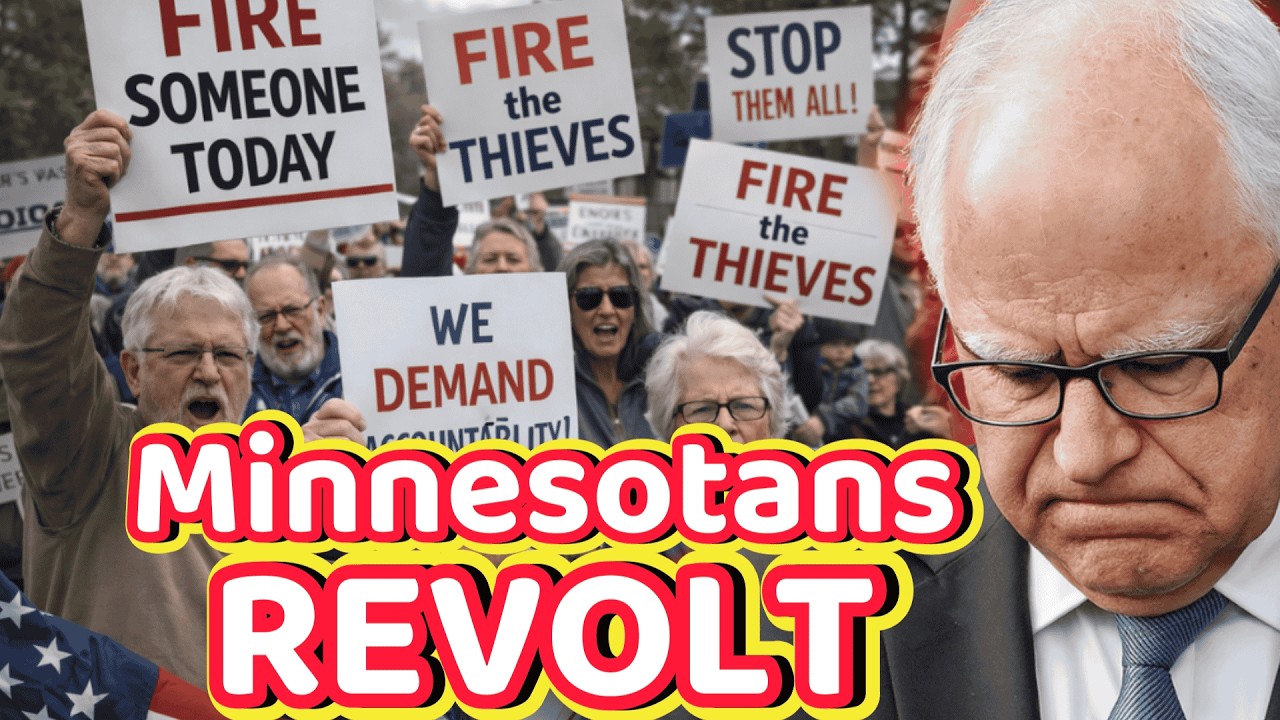
Even so, the revised estimates landed with force. At recent public meetings and online forums, residents voiced anger that emergency programs meant to feed children and support vulnerable families were allegedly exploited on what one prosecutor described in court filings as an “industrial scale.” Calls for firings and resignations have grown louder, reflecting a demand for accountability that extends beyond the courtroom.
State officials say they share the outrage but reject the notion that warnings were ignored. Walz has acknowledged that safeguards were insufficient during an unprecedented emergency, when speed was prioritized to prevent economic collapse. His administration points to subsequent reforms, including tighter eligibility checks and expanded auditing authority, as evidence that lessons were learned. “We failed to catch this early enough,” Walz said recently, “and that’s on the system.”
The political ramifications are unfolding in real time. Republicans have seized on the rising figures as proof of mismanagement, calling for legislative hearings and independent reviews. Some Democrats, while defending the intent of the programs, concede privately that the optics are damaging and that voter patience is thinning. The issue has cut across party lines, uniting fiscal conservatives and progressives who fear that fraud erodes public trust in social programs.

Legal experts caution that conflating oversight failure with criminal liability risks oversimplifying a complex picture. “Large-scale fraud does not automatically mean state leaders were complicit,” said a former federal prosecutor familiar with public-corruption cases. “But it does raise questions about governance—how warnings were handled, how quickly controls were strengthened, and whether institutional incentives discouraged skepticism.”
Those questions are now driving legislative activity. Lawmakers are considering proposals to centralize grant oversight, mandate real-time data sharing with federal agencies, and impose stricter penalties for nonprofit misconduct. Advocates worry that the backlash could overshoot, leading to cuts that harm legitimate recipients. Others argue that without tough reforms, public confidence will not recover.
Behind the scenes, election-year dynamics are sharpening the stakes. Strategists in both parties say the fraud issue resonates because it touches on fairness and competence rather than ideology. “This isn’t abstract,” one Democratic consultant said. “People feel like money that should have helped their communities was stolen.”
Investigators say their work is far from complete. Court filings indicate that additional networks and shell entities are under review, and that asset recovery efforts are accelerating. Federal officials have emphasized that uncovering the full scope of losses takes time, particularly when funds were laundered through layered transactions.
For Minnesota, the challenge now is dual: continue cooperating with law enforcement while restoring public trust. Walz has pledged transparency and cooperation, but critics argue that accountability must extend beyond policy fixes to personnel decisions. Whether that happens may depend on what investigators uncover next.
What is clear is that the revised estimates have shifted the conversation. This is no longer a story about isolated fraud cases; it is about whether emergency governance can balance speed with safeguards—and what happens when it does not.
As one longtime observer of state politics put it, “The anger isn’t just about the money. It’s about the sense that nobody was watching closely enough when it mattered most.”
The coming months, shaped by court proceedings, audits, and political pressure, will determine whether Minnesota’s reckoning produces lasting reform—or deepens the cynicism now roiling the state.