At a recent legal ethics forum titled Speak Up for Justice, several former Justice Department officials offered detailed accounts of what they described as intense political pressure, abrupt personnel actions, and an escalating conflict between career staff and senior Trump-appointed leadership during the final years of the administration. Their comments, delivered in front of judges, scholars and civic advocates, provided one of the most expansive public descriptions to date of internal fractures within the department.
The panelists, including former U.S. attorneys and division heads, said that certain leaders within the department had framed interactions with judges and career prosecutors as a “confrontation” rather than a standard institutional process. According to their testimony, some officials demanded more aggressive challenges to judicial rulings perceived as unfavorable to President Donald J. Trump, including from members of the federal judiciary who were themselves appointed by Republican administrations. One former U.S. attorney noted that decisions traditionally guided by statutory interpretation and prosecutorial norms increasingly drew criticism from political appointees who viewed them through the lens of loyalty rather than law.

A significant portion of the discussion focused on pardon policy and internal oversight. Liz Oyer, who served as the Justice Department’s Pardon Attorney, recounted that she was dismissed from her position shortly after declining to advance a petition involving the restoration of firearm rights to the actor Mel Gibson. Ms. Oyer stated that her recommendation aligned with department precedent, and that the decision was based solely on the merits of the case. She further asserted that, after her dismissal, she was instructed by armed deputies before testifying in a separate congressional inquiry — a directive she said appeared to be aimed at controlling communication rather than standard security protocol.
Other participants echoed concerns about what they described as a pattern of retaliation against officials who resisted political directives. Several noted that the cumulative effect of these actions created an atmosphere in which career attorneys felt constrained in their ability to provide candid legal advice, particularly on politically sensitive matters related to elections, high-profile prosecutions and presidential authority.
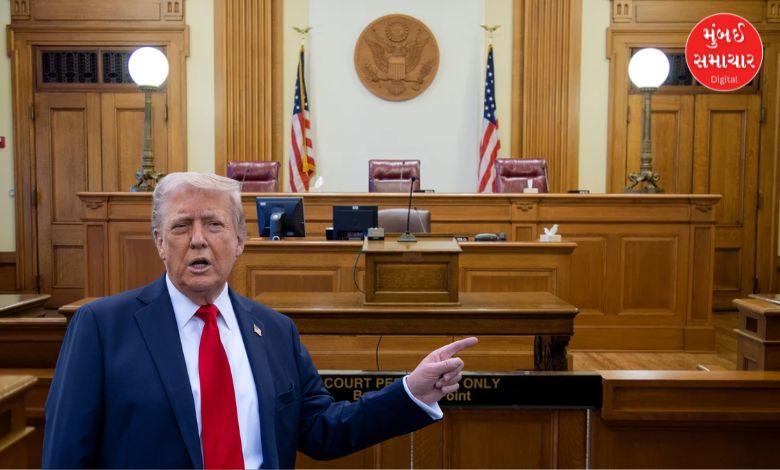
The Justice Department did not respond to a request for comment. Representatives for Mr. Trump have previously rejected claims of improper influence, insisting that the former president expected only that officials adhere to the law and follow established policy.
The panel’s accounts come as legal scholars and oversight groups continue to debate the long-term implications of political pressure on the department’s institutional independence. While many of the incidents described have been referenced in prior inspector general reviews and congressional testimony, the detailed public recounting offered at the forum adds new depth to an ongoing national conversation about the norms governing federal law enforcement and the limits of executive authority.
As the 2024 election cycle proceeds, the officials said, the question facing the Justice Department is not only how these events will be interpreted historically, but whether lasting structural reforms will be adopted to prevent future conflicts between political leadership and career legal staff.