Washington, D.C. — In an unexpected escalation of the long-running conflict between congressional Republicans and the Justice Department, Special Counsel Jack Smith appeared for a closed-door deposition on Capitol Hill this week and delivered a set of assertions that lawmakers and aides from both parties described as unusually direct, unyielding and, in some cases, startling. Although the session was designed by House Republicans to unfold quietly and without fanfare, it instead became a flashpoint in the broader national debate surrounding the criminal investigations into former President Donald J. Trump.
According to multiple individuals familiar with the meeting, Mr. Smith used his opening statement to restate — with unusual clarity — conclusions that his team reached during its multiyear inquiry into the former president’s efforts to overturn the 2020 election and his retention of classified government materials. These individuals, who were granted anonymity to describe details from the confidential deposition, said Mr. Smith reiterated that his office had gathered “proof beyond a reasonable doubt” that Mr. Trump engaged in a criminal scheme to obstruct the lawful transfer of presidential power.

Such certainty, expressed in the formal setting of a congressional deposition, immediately reverberated beyond the hearing room. Within hours, political commentators, legal analysts and partisan activists seized on leaked descriptions of Mr. Smith’s remarks, igniting broad discussion across social media platforms. Although no video or audio recording was allowed, fragments of testimony, recollections from participants and secondhand summaries began circulating widely, prompting the committee to issue no formal clarification.
The deposition itself was part of a months-long effort by House Republicans to scrutinize — and in some instances sharply criticize — Mr. Smith’s handling of the criminal cases involving Mr. Trump. Committee members had argued that the session was necessary to determine whether political bias or improper conduct had influenced prosecutorial decisions. Democrats dismissed the inquiry as an attempt to undermine the Justice Department and cast doubt on the legitimacy of the charges facing the former president.
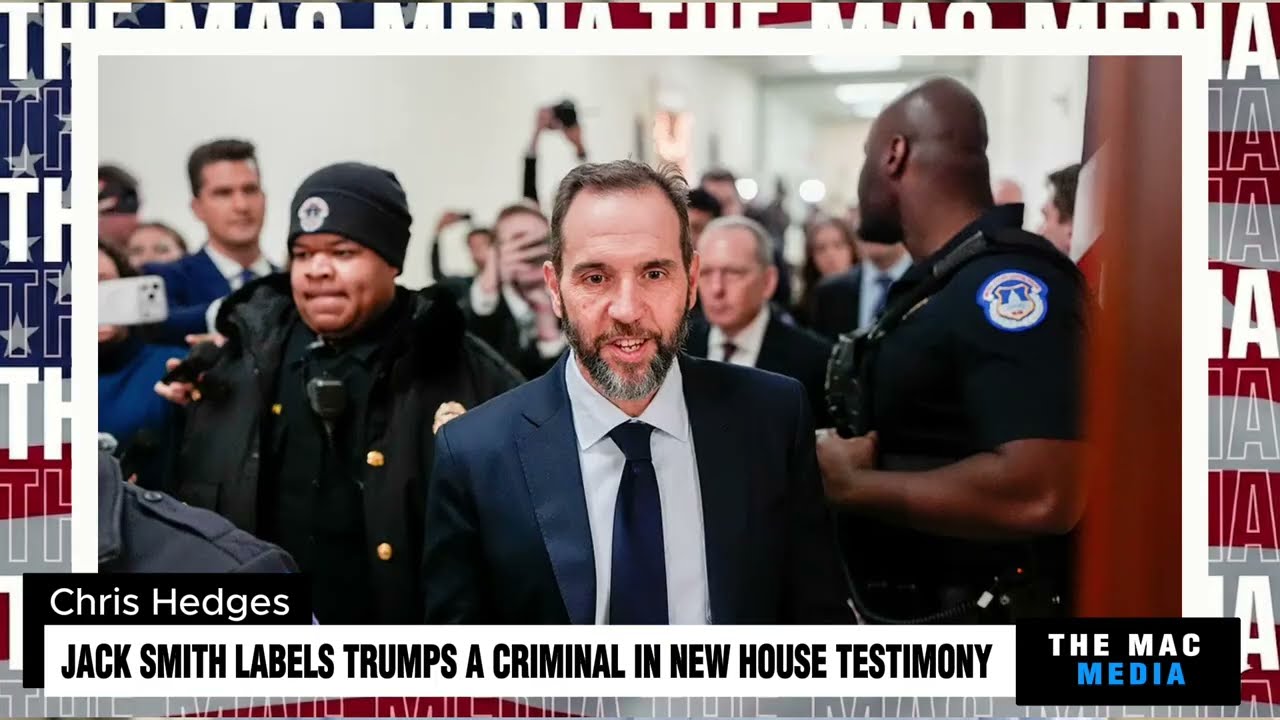
What few anticipated, however, was the level of preparation with which Mr. Smith arrived. Several staff members familiar with the proceeding described his demeanor as “measured” and “unshaken,” noting that he appeared to anticipate the strategic lines of questioning long before they were delivered. One aide described the atmosphere as “tense from the opening minute,” with some lawmakers growing visibly uncomfortable as Mr. Smith expanded on points laid out in his earlier public filings.
The most significant moment, according to several attendees, came when Mr. Smith emphasized that his decisions to charge the former president were rooted exclusively in the law and the evidence. He reportedly told the committee that he “would have made the same charging decisions if the subject of the investigation had been a Democrat, a Republican or an independent,” adding that he had “followed the same standards applied in every major federal prosecution” across his career.
The statement appears to have been crafted in response to repeated Republican accusations that the special counsel’s team was politically motivated. Mr. Smith’s insistence on uniform legal standards, delivered directly to his critics in the confidential setting of the deposition, provided one of the day’s most widely discussed moments and quickly appeared in commentary across national news outlets.
Despite the secrecy surrounding the testimony, details continued to emerge throughout the evening. Several individuals familiar with the session said Mr. Smith referenced evidence his team had assembled concerning communications between Trump associates and members of Congress on January 6, 2021. While he reportedly stopped short of describing classified or grand jury material, those present said he offered a level of specificity that surprised even some Republican staff. One aide, speaking on condition of anonymity, said that “the breadth of the documentation he described caught several members off-guard.”
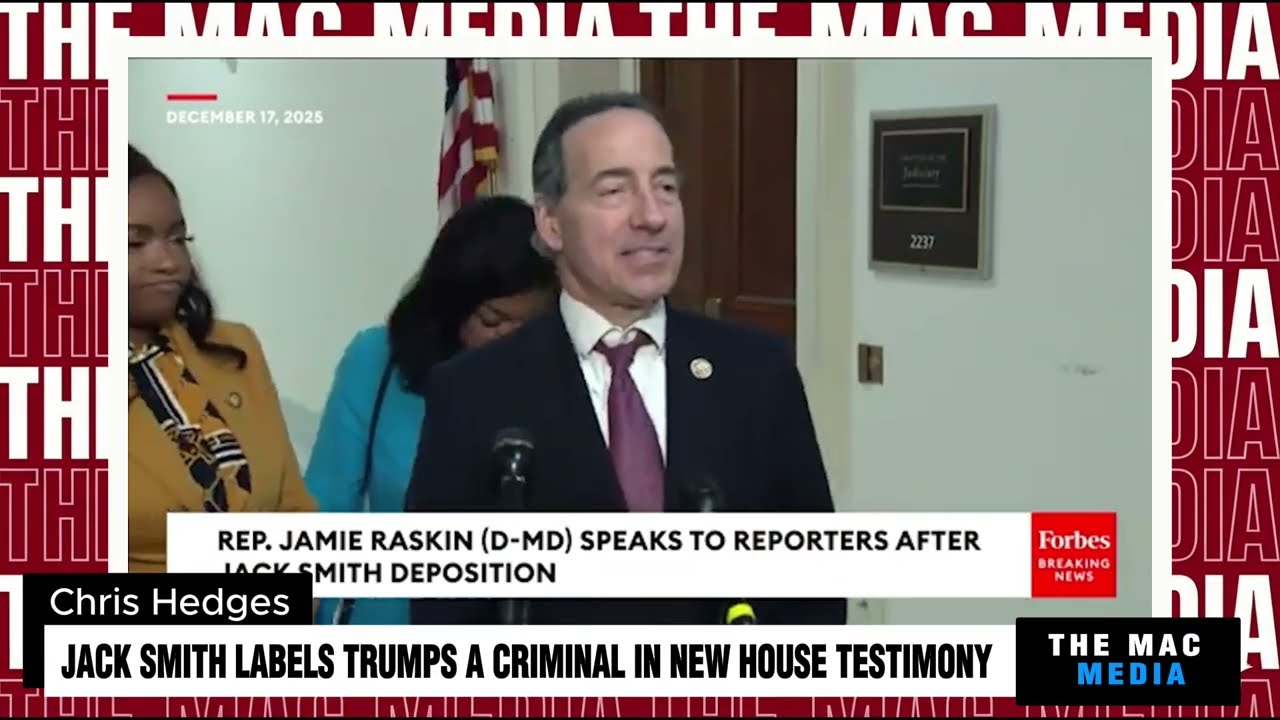
Yet the most consequential impact of the testimony may lie not within the room but in the political reaction that followed. As details of the deposition spread, prominent Republican figures attempted to downplay its significance, insisting that the testimony added little new information. Democrats, however, argued that Mr. Smith’s remarks underscored the seriousness of the allegations against the former president and contradicted claims that the investigations were driven by partisan motivations.
By late evening, discussion of the deposition had become one of the most prominent topics on political news programs and online platforms. Clips of commentators reading secondhand quotes, interpreting the testimony and speculating about the potential political fallout were shared widely, generating millions of impressions. Hashtags referencing Mr. Smith’s appearance trended across multiple networks, and video analyses uploaded by independent commentators quickly amassed substantial viewership.
The House Judiciary Committee has not indicated when — or if — a transcript of the deposition will be released, and members provided no timeline for further proceedings. Still, the session has already intensified the broader political rivalry surrounding the Trump investigations and raised new questions about the transparency of congressional inquiries.
What remains clear is that Mr. Smith’s appearance, though conducted behind closed doors, has had far-reaching effects. In attempting to control the narrative by keeping the deposition private, House Republicans instead set the stage for a public and highly polarized debate. With the 2024 presidential election cycle intensifying and the former president continuing to face legal and political scrutiny, the repercussions of this week’s testimony are likely to shape Washington’s conversations for weeks — if not months — to come.
The internet cannot stop talking, and the full political fallout has yet to unfold.