Washington — New disclosures from the Department of Justice have drawn renewed attention to a series of fraud investigations in Minnesota, with prosecutors signaling that potential losses tied to multiple public programs may be far larger than initially understood.
In recent court filings and public statements, federal officials described patterns of alleged misconduct spanning several years and involving overlapping provider networks. While prosecutors stopped short of declaring a final dollar figure, they said audits and data analysis had identified unusually high billing totals across programs that collectively handle billions of dollars annually, prompting a widening review.
The update followed what began as a routine procedural hearing in one of the Minnesota cases. As additional details emerged, the scope of the investigation quickly became the focus, fueling debate over whether the alleged misconduct reflects isolated criminal schemes or deeper vulnerabilities in program oversight.
Federal officials emphasized that the figures discussed so far represent potential exposure, not confirmed losses. “These are estimates based on claims data and ongoing audits,” a Justice Department official said, speaking on the condition of anonymity to discuss an active investigation. “They are not findings, and they will be tested in court.”
Even so, the disclosures marked a notable shift. Earlier phases of the Minnesota cases focused on specific defendants and discrete programs. The latest filings suggest investigators are now examining how multiple systems interacted — and whether weaknesses in monitoring allowed alleged fraud to persist undetected.
Reaction was swift and divided. Supporters of the investigation praised the government for following the evidence and cautioned against minimizing the scale of the allegations. Critics urged restraint, warning that early estimates can be misleading and that defendants are entitled to due process.
“This is the moment where people need to slow down,” said a former federal prosecutor who has handled complex fraud cases. “Large numbers get attention, but the legal question is always narrower: what can be proven, against whom, and beyond a reasonable doubt.”
Behind the scenes, investigators have relied heavily on analytics to flag anomalies. According to people familiar with the work, teams are cross-referencing claims data across agencies and timeframes, looking for repeated patterns that could indicate coordinated activity rather than simple error. That approach has become more common in fraud enforcement, particularly in cases involving emergency funding or large-scale benefit programs.

Minnesota officials said they continue to cooperate with federal authorities. In prior statements, state agencies acknowledged gaps in oversight and pointed to reforms already underway, including tighter controls, additional audits and changes to provider enrollment rules. They stressed that those measures were designed to prevent abuse without disrupting legitimate services.
“This is about strengthening safeguards,” said a state official briefed on the response. “It’s not an admission of wrongdoing by the state.”
The investigations have also prompted renewed scrutiny from lawmakers, some of whom are calling for hearings to examine how oversight mechanisms functioned and what changes may be needed. Others warned that politicizing an ongoing probe could undermine confidence in both the justice system and the safety-net programs themselves.
Historically, large fraud cases often expand as investigators uncover links between defendants and programs. But expansion can also complicate prosecutions, introducing questions about causation, intent and administrative responsibility. Defense attorneys in related cases have argued that prosecutors are conflating accounting disputes and regulatory violations with criminal conduct, a claim the government disputes.
“Scale cuts both ways,” said a law professor who studies white-collar crime. “It can suggest systemic failure, but it can also make cases harder to prove.”
The Justice Department has brought hundreds of fraud cases nationwide tied to public benefit and relief programs, many using similar tools. Still, officials acknowledged that the Minnesota matters stand out for the breadth of activity under review.
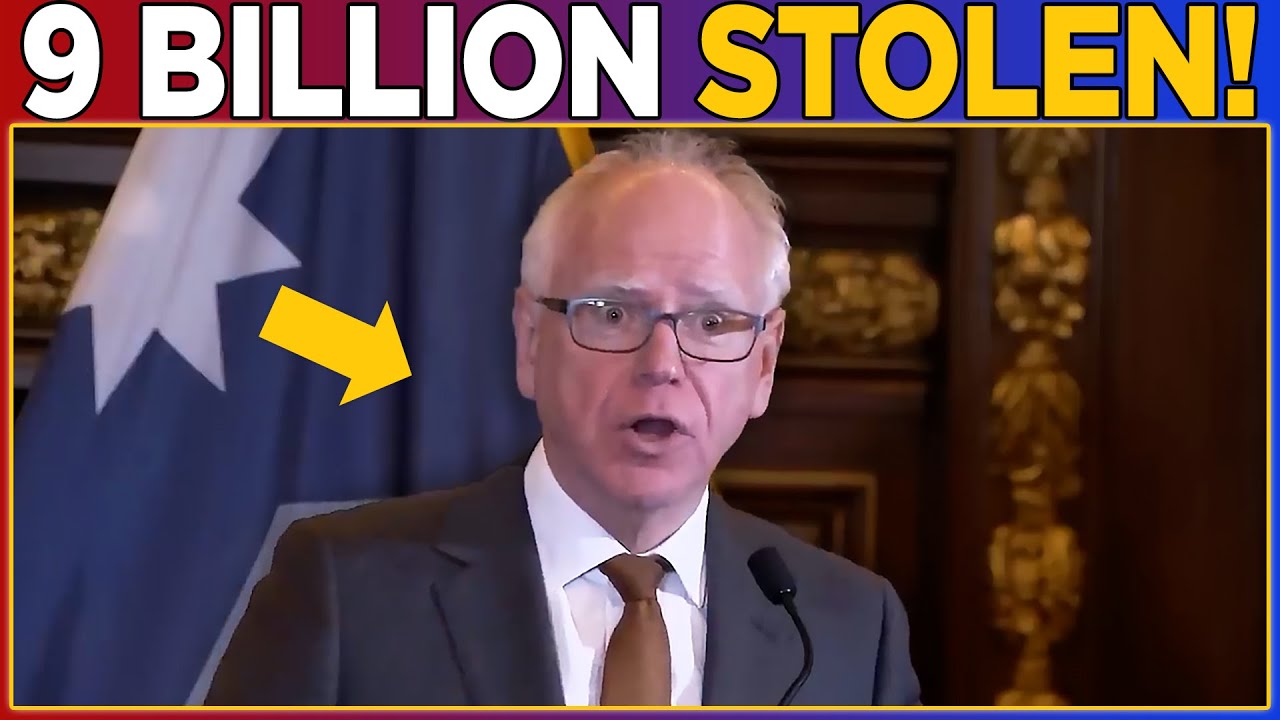
Public reaction has been shaped in part by uncertainty over what the numbers mean. While some online commentary described “billions stolen,” prosecutors have not made such a claim. Instead, they have pointed to the size of the programs involved and the range of transactions under examination, cautioning that final figures — if any — will emerge only after court proceedings.

That distinction is critical, experts say. “Potential exposure is not the same as loss,” said an economist who has advised governments on fraud prevention. “And loss is not the same as criminal liability.”
As the cases proceed, judges will set schedules for motions and hearings, and defendants will have opportunities to challenge the government’s methods and conclusions. Any confirmed losses, if established, would be determined through verdicts or plea agreements, not preliminary estimates.
For now, the investigations have entered a more complex phase — one focused less on individual cases and more on systemic questions. How did alleged schemes operate across programs? Where did oversight fail? And how can safeguards be strengthened without slowing aid to those who need it?
Federal officials said those questions are central to their work. “Accountability isn’t just about prosecutions,” the Justice Department official said. “It’s about ensuring systems work as intended.”
Whether the investigations ultimately confirm large-scale losses or narrow their focus, the attention they have drawn reflects a broader challenge facing governments nationwide: administering vast public programs at speed while maintaining controls robust enough to deter abuse.
As additional filings and audits emerge, the debate is likely to continue. But legal experts caution that the meaning of the moment will be determined not by headlines or viral clips, but by the evidence presented in court — and by what reforms follow once the facts are fully established.