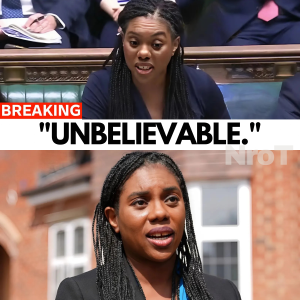
Washington — A routine television interview turned into a flashpoint this week when Representative Ilhan Omar faced pointed questioning on CNN over a claim involving Immigration and Customs Enforcement and a reported encounter with her son, bringing competing accounts into direct public view and reigniting debate over documentation, credibility and process.
The exchange occurred during a scheduled segment that initially focused on broader political issues. Midway through the interview, the host shifted to the ICE-related claim, referencing statements from the Department of Homeland Security indicating that officials could find no record of the alleged encounter. The change in tone was noticeable, and the conversation slowed as follow-up questions narrowed.

Ms. Omar reiterated her position, saying the account had been misunderstood and that she was seeking clarity. She cautioned against relying solely on agency statements and emphasized the need for full verification. The host pressed for specifics, asking what evidence existed and how discrepancies should be resolved.
Within minutes of the broadcast, clips of the exchange began circulating online, drawing attention not only to the substance of the disagreement but to the dynamics of the interview itself. Media analysts noted that the moment resonated because it placed an elected official’s personal account alongside an official denial, without an immediate resolution.
“This is what live television does when facts are in dispute,” said a former network producer. “It forces both versions into the open, even when neither side can fully substantiate its case in real time.”
The Department of Homeland Security has said publicly that it has no record of ICE officers stopping or questioning Ms. Omar’s son, noting that enforcement actions are typically logged. Officials stressed that the review was ongoing and that the absence of records should not be interpreted beyond what was stated.
Ms. Omar has disputed the characterization, arguing that records can be incomplete and that her family’s experience should not be dismissed. Her office has not released documentation publicly but has said it is pressing for clarification from federal agencies.
The divergence has fueled polarized reactions. Supporters of Ms. Omar argued that institutional records are not infallible and called for an independent accounting. Critics countered that serious claims require corroboration and warned against elevating unverified accounts.
Inside the network, people familiar with broadcast operations said producers often adjust questioning in response to breaking information or official statements, particularly during live interviews. Such shifts, they said, are not unusual but can appear dramatic when captured and shared as short clips.
CNN did not issue a statement about the segment, and the network did not correct or retract any portion of the interview. The focus of subsequent coverage remained on the broader issue of verification rather than on the personal exchange.
The episode illustrates how media moments can take on outsized significance even in the absence of new findings. In the current news environment, the perception of a “turning point” can spread rapidly, driven by tone, pauses and framing as much as by facts.
Ms. Omar, a Minnesota Democrat, has long been a polarizing figure, particularly on immigration and national security issues. That context shaped how viewers interpreted the exchange, often reinforcing existing views rather than changing minds.
Political strategists noted that such moments can be risky for public officials, especially when personal experiences intersect with institutional processes. “Once records and personal accounts collide on live TV, the story becomes about credibility,” said a former communications adviser. “And credibility debates don’t resolve quickly.”
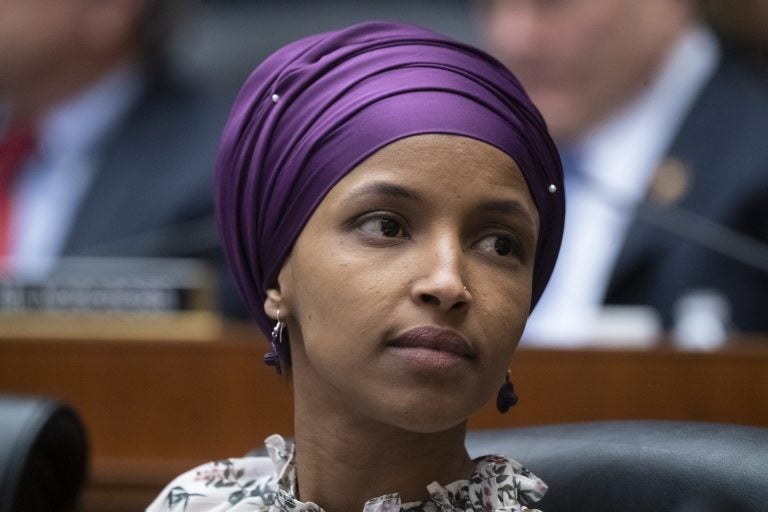
Legal and policy experts cautioned that the dispute remains narrow. No investigation has been announced, no charges have been filed, and federal officials have framed the matter as a question of records rather than wrongdoing. Similar discrepancies, they said, often end quietly once internal reviews are completed.
“Most of these situations don’t produce dramatic outcomes,” said a former DHS official. “They produce clarifications.”
Still, the exchange underscores the challenge institutions face when responding to viral claims. Agencies must verify information carefully, while public figures navigate the tension between personal narrative and official documentation.
For viewers, the interview offered a glimpse into the mechanics of live journalism, where questions evolve in response to new information and where uncertainty can become visible. For the media, it highlighted the fine line between accountability and amplification.
As of now, no additional records have been released publicly, and both sides maintain their positions. Analysts say the next development — if there is one — is likely to come not from television, but from documentation or a formal statement closing the review.
Until then, the controversy persists less as a legal matter than as a media one, sustained by repetition and interpretation. The CNN segment did not settle the question, but it did something else: it made the disagreement unmistakable.
In an era of rapid circulation and fragmented attention, that alone can keep a story alive. Whether it ultimately leads to clarity or fades with the news cycle will depend on evidence, not exchanges. But for a brief moment on live television, the uncertainty was visible — and that visibility became the story.