House Rejects Impeachment Push Against Trump, Highlighting Democratic Divisions
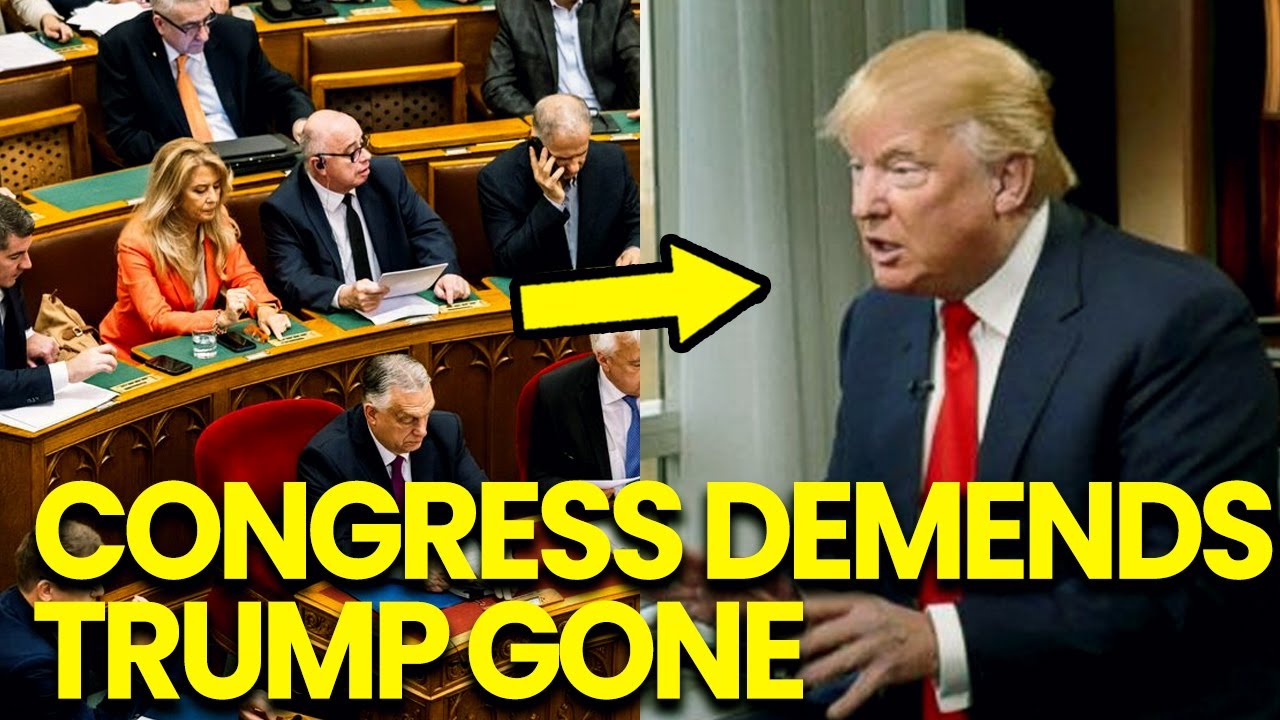
WASHINGTON — In a sharply divided vote on December 11, the House of Representatives overwhelmingly tabled a resolution to impeach President Donald J. Trump, introduced by Representative Al Green, Democrat of Texas. The measure, which accused Mr. Trump of abusing power by inciting violence against lawmakers and undermining judicial independence, was shelved by a margin of 237 to 140, with significant Democratic abstentions underscoring the party’s internal fractures on pursuing impeachment in a Republican-controlled Congress.
Mr. Green, a longtime advocate for holding Mr. Trump accountable, forced the vote through a privileged resolution, H.Res. 939, filed on December 10. The two articles of impeachment centered on Mr. Trump’s social media posts that Mr. Green characterized as calls for the “execution” of six Democratic lawmakers who had urged military members to refuse unlawful orders, as well as broader attacks on federal judges that have coincided with spikes in threats against the judiciary.
Sources familiar with the floor proceedings described a tense atmosphere, with Mr. Green delivering impassioned remarks accusing the president of fostering a climate of political violence. “This is about preserving our democracy,” one Democratic aide recounted Mr. Green saying, his voice rising as he invoked historical precedents for impeachment. Republicans, led by Majority Leader Steve Scalise, moved swiftly to table the resolution, dismissing it as partisan theater.
Notably, 140 Democrats voted against tabling — effectively supporting advancing the impeachment inquiry — a figure that includes members from moderate and progressive wings alike. Yet 23 Democrats joined Republicans in favor of tabling, and 47 others, including top leaders like Minority Leader Hakeem Jeffries, Whip Katherine Clark and Caucus Chairman Pete Aguilar, voted “present.” In a joint statement, the leaders argued that impeachment requires “a comprehensive investigative process” by the Judiciary Committee, which has not occurred under Republican control.

The vote reflects evolving Democratic strategy amid Mr. Trump’s second term. While frustration with the administration runs deep — citing issues like unauthorized military strikes on Iran earlier in the year and delays in releasing Epstein-related files — many Democrats view snap impeachment efforts as politically risky ahead of midterms. “It puts us in a difficult position,” one senior House Democrat said anonymously, expressing irritation at the procedural maneuver.
President Trump reacted forcefully on Truth Social, calling the effort “loser desperation” from “radical Democrats” and claiming vindication. Sources close to the White House described him as animated during private discussions, viewing the failed vote as proof of his strengthened position. His allies amplified the message, portraying the resolution as evidence of opposition obsession rather than substantive wrongdoing.
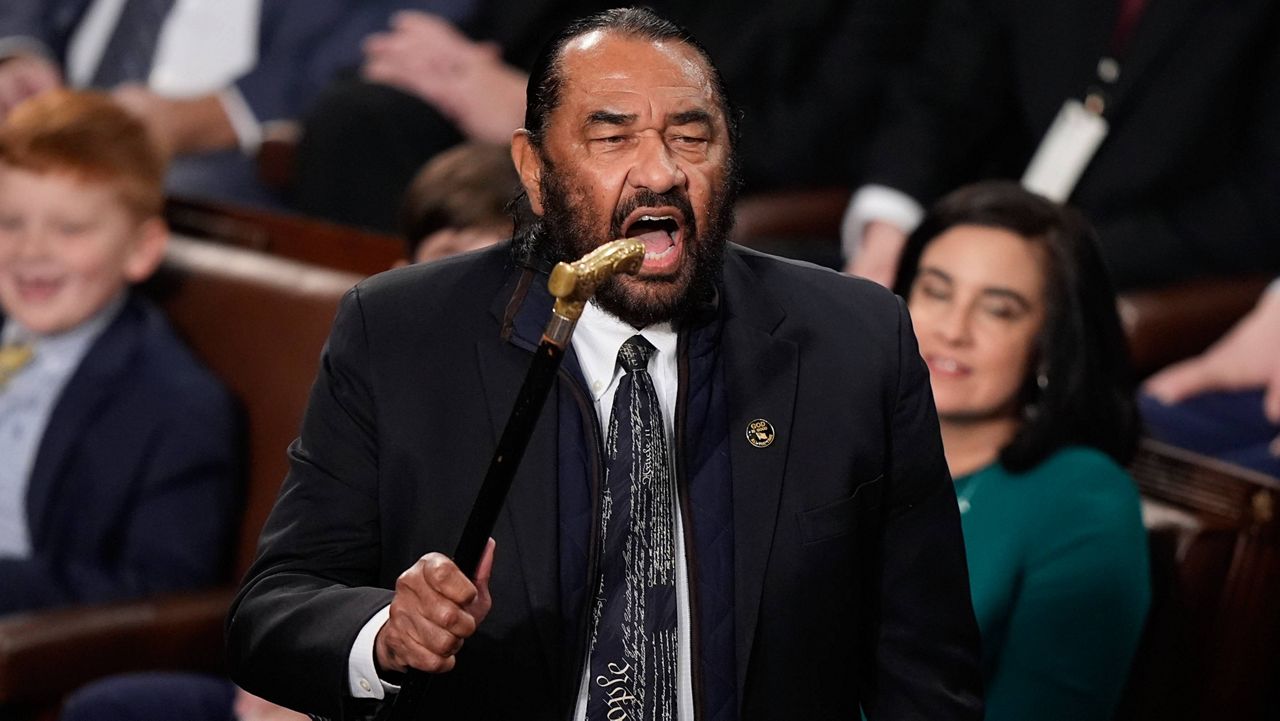
Mr. Green, undeterred, vowed in floor remarks to introduce new articles before Christmas, potentially incorporating ongoing controversies. He has a history of such pushes, dating back to Mr. Trump’s first term, often proceeding alone when party leadership hesitated.
The episode occurs against a backdrop of heightened partisan acrimony. Earlier strikes on Iranian nuclear facilities in June, ordered without congressional authorization, drew bipartisan criticism over war powers, though no impeachment stemmed directly from them. Separately, a public feud between Mr. Trump and Elon Musk in mid-2025 saw the billionaire briefly endorse impeachment calls before reconciliation, highlighting fractures even among former allies.
As the Epstein files deadline approached on December 19 — with the Justice Department planning phased releases amid accusations of delays — Democrats warned of potential new revelations fueling accountability demands. Yet with Republicans firmly in control, formal impeachment remains unlikely.

This latest chapter illustrates the enduring shadows of Mr. Trump’s legal and political battles. While twice impeached in his first term, he was acquitted by the Senate both times. Now, in his second term, symbolic gestures like Mr. Green’s persist, forcing on-the-record positions but stopping short of substantive proceedings. As one veteran lawmaker observed, “It builds a historical record, even if it doesn’t change the outcome today.”
The divide within Democrats — between those eager for confrontation and those prioritizing legislative focus — signals challenges ahead. Republicans, meanwhile, frame such efforts as distractions from economic and security priorities.