Stephen Colbert’s Sharp Satire of Melania Trump Draws Laughter and Scrutiny
In the polarized landscape of late-night television, few moments capture the intersection of comedy and politics as vividly as Stephen Colbert’s recent segment on “The Late Show” featuring an impersonation of Melania Trump. On a Tuesday evening in mid-December 2025, the CBS host welcomed actress Laura Benanti, who has long portrayed the first lady in a recurring sketch known for its biting wit and deadpan delivery. What began as a holiday-themed bit quickly evolved into a pointed commentary on Mrs. Trump’s public persona, eliciting roars of laughter from the studio audience and swift circulation online.

The segment opened with Colbert noting the seasonal re-emergence of the first lady for traditional White House duties—lighting the National Christmas Tree, assembling care packages for military families, and reading to children at a hospital. “It’s time for the Trump administration’s annual thawing of First Lady Melania Trump,” he quipped, setting a tone that blended seasonal cheer with understated irony. Benanti, in character, appeared via a remote setup, her Slovenian-accented monotone and aloof demeanor faithfully mimicking Mrs. Trump’s often-reserved public appearances.
The humor escalated as Benanti’s Melania addressed longstanding perceptions of her holiday enthusiasm—or lack thereof. Referencing a leaked 2018 audio in which the real Mrs. Trump expressed frustration with Christmas decorations, the impersonator hawked fictional merchandise: a red ornament emblazoned with the infamous phrase “Who gives a f— about Christmas stuff and decorations,” priced at an exaggerated “ninety-nine ninety-nine… ninety-nine” dollars. The audience erupted, appreciating the callback to a moment that has lingered in public memory.

Perhaps the sharpest line came when Colbert probed deeper into her professed love for the holidays. “I love Christmas the same way I love my husband,” Benanti’s Melania replied, pausing for effect before adding, “once a year. Jingle-boom!” The punchline, delivered with impeccable timing, landed as a sly commentary on the Trumps’ marital dynamic, which has long been fodder for speculation amid reports of separate residences and limited joint appearances.
Additional barbs touched on contemporary issues: Benanti joked about rubble from the controversial demolition of the White House East Wing—cleared for President Trump’s proposed grand ballroom—as “the perfect stocking stuffer.” She also referenced Mrs. Trump’s new production company, Muse Films, brusquely informing Colbert that “we are not hiring.” These elements wove together personal satire with broader critiques of the administration’s priorities, all while maintaining the sketch’s signature detachment.
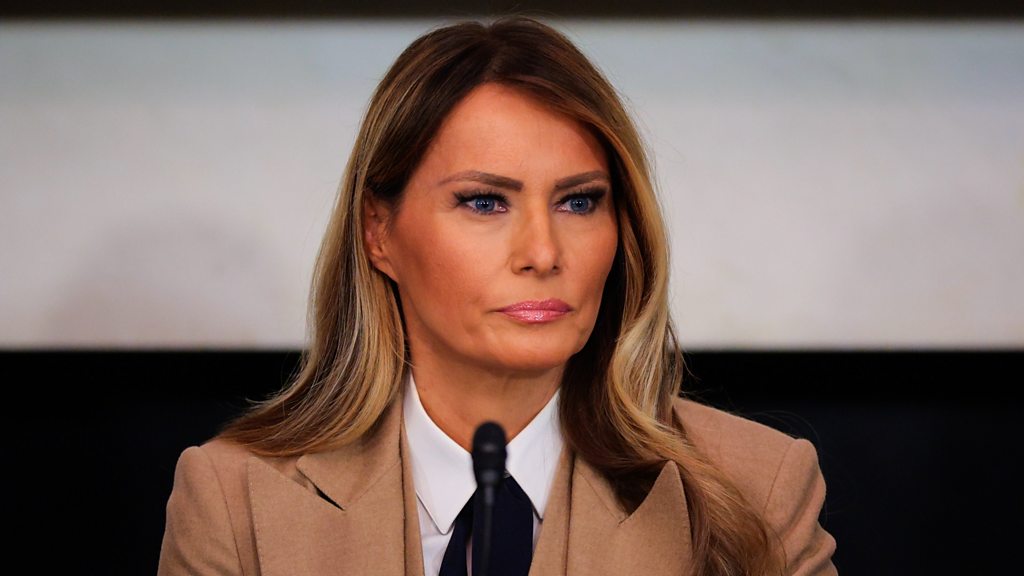
The bit’s viral trajectory was immediate. Clips amassed millions of views across social media platforms within hours, with commentators praising Benanti’s precision and Colbert’s restraint in allowing the impersonation to carry the weight. Supporters of the Trumps, however, decried it as mean-spirited, echoing familiar debates over the boundaries of political humor in an era of heightened sensitivity.
This appearance marks the latest in Benanti’s decade-long portrayal, which began during the 2016 campaign and has evolved with the political tides. Her Melania has become a staple of “The Late Show,” offering a lens through which viewers process the enigmatic role of the modern first lady—one often defined by absence as much as presence. In an administration marked by bold pronouncements and unconventional norms, such satire serves as both entertainment and cultural reflection.
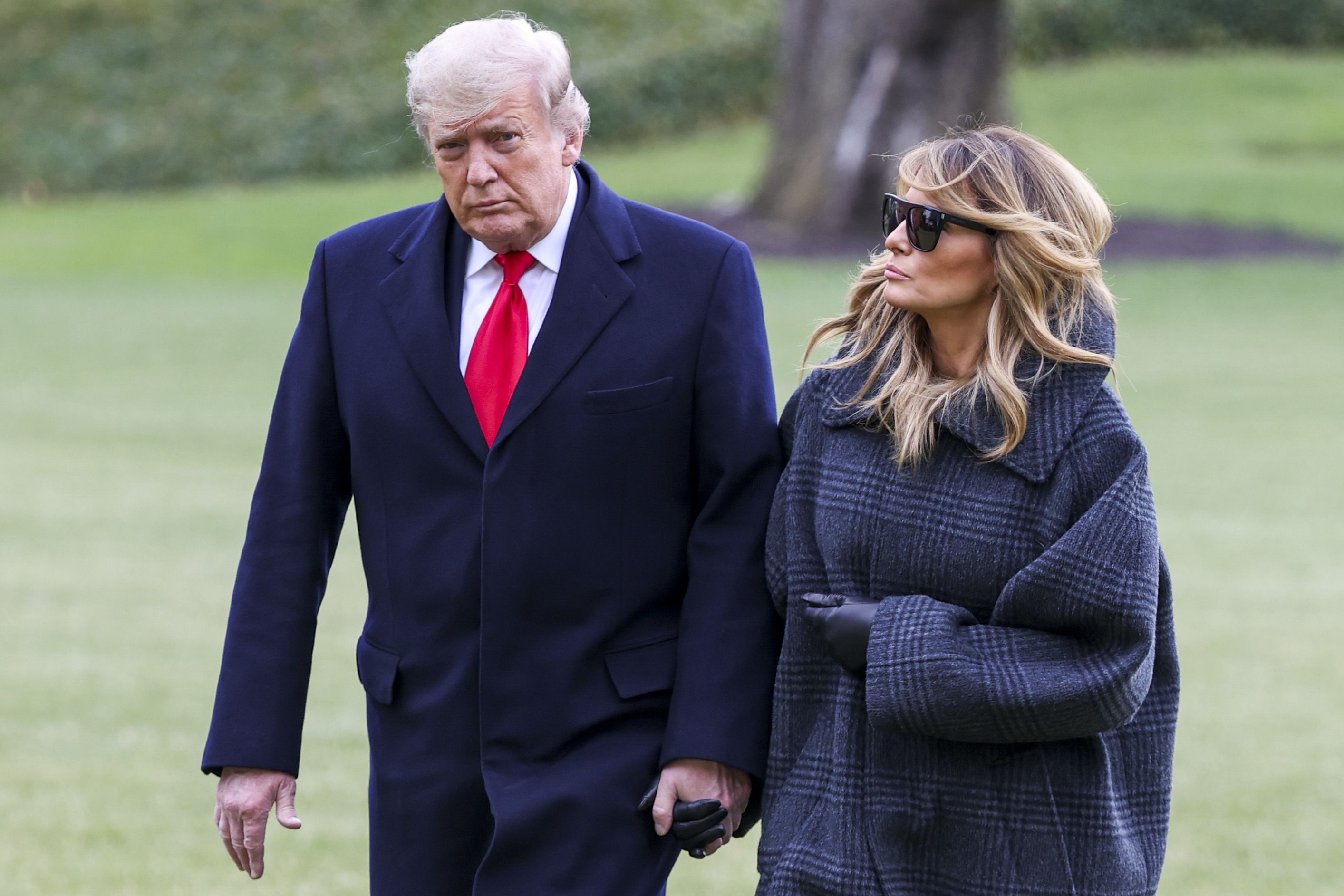
Critics of late-night comedy argue that these segments reinforce partisan divides, yet proponents contend they hold power to account through ridicule, a tradition dating back to vaudeville and beyond. As the holiday season unfolds against the backdrop of ongoing political transitions, Colbert’s monologue reminds audiences of television’s enduring role in shaping public discourse—one laugh, or wince, at a time.
Reports of any extreme reaction from President Trump or the first lady remain unconfirmed, though the segment’s resonance underscores the persistent fascination with the Trump family’s private life amid public scrutiny. In the end, what resonates most is the skillful blend of exaggeration and observation, turning a routine holiday sketch into a moment of pointed cultural commentary.