A Viral Monologue Revives Partisan Tensions Over Trump’s Rhetoric and Personal Life
WASHINGTON — A lengthy video monologue circulating online this week, in which a speaker bearing a striking resemblance to former President Barack Obama delivers a pointed critique of the current administration, has reignited debates over presidential norms, institutional trust and the boundaries of political discourse in an increasingly polarized nation.
The video, which has garnered millions of views across social media platforms and video-sharing sites since its apparent upload in recent days, features an extended address touching on two contentious issues: a failed Democratic effort to impeach President Trump over allegations of inflammatory rhetoric, and persistent rumors surrounding First Lady Melania Trump’s private life amid ongoing legal battles involving old recordings and associations with the late financier Jeffrey Epstein.
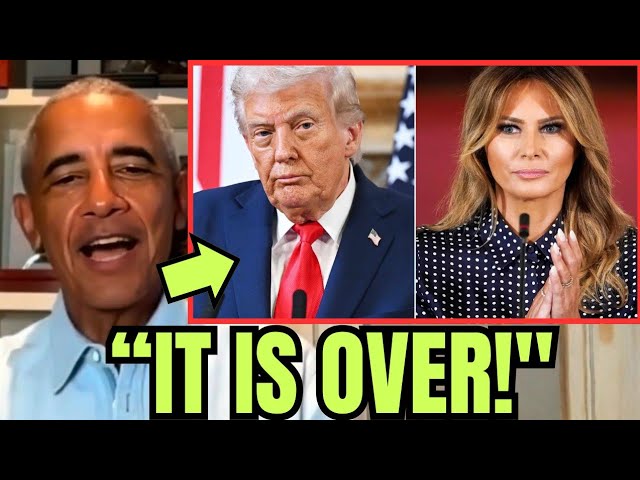
In the monologue, the speaker laments what he describes as a erosion of democratic institutions, pointing to the House of Representatives’ swift decision last week to table a resolution introduced by Representative Al Green, Democrat of Texas. Mr. Green’s measure accused Mr. Trump of abusing power by fostering a climate of violence, including social media posts interpreted as calls for severe punishment against political opponents and critical references to federal judges.
The resolution cited a November post by Mr. Trump responding to a video by six Democratic lawmakers — several with military or intelligence backgrounds — urging service members to refuse unlawful orders. The president’s reply, which invoked harsh language, was characterized in the resolution as promoting threats of execution. A second article alleged intimidation of the judiciary, noting spikes in threats against judges following Mr. Trump’s public criticisms.

The House voted 237 to 140 to shelve the measure, with notable bipartisan support for tabling it, including 23 Democrats joining Republicans and 47 others voting present. Democratic leaders framed impeachment as a grave tool not suited for the moment, even as Mr. Green argued it was necessary to confront what he called an “abuser of presidential power.”
The video’s speaker, reflecting on these events, argues that avoiding open debate signals a dangerous normalization of extreme rhetoric. “When we stop talking and start hiding,” he says at one point, “democracy begins to wither.” He invokes historical precedents and the weight of presidential words, warning of ripple effects on public servants, military leaders and ordinary citizens.

The monologue then pivots to more personal terrain, alluding to reports of “secret tapes” and internal White House strains. It references ongoing litigation involving author Michael Wolff, who has released recordings from years ago featuring Epstein discussing his past friendship with Mr. Trump. Recent document releases and lawsuits have revived scrutiny of those ties, though no new criminal allegations against the president have emerged.
The speaker portrays a White House marked by distance and self-preservation, suggesting the first lady is charting an independent path to safeguard her reputation and family amid swirling controversies. He describes a “house divided,” where trust at the highest levels appears frayed, and contrasts it with ideals of unity and transparency.
White House officials have dismissed the video as misleading or manipulated, with a spokesperson calling it “yet another attempt to distract from the administration’s achievements.” Supporters of Mr. Trump have echoed this, labeling the content recycled partisanship. Critics, however, see it as a timely reminder of unresolved questions about accountability.
The video repeatedly urges viewers to subscribe to its hosting channel and join as members, a common tactic on user-generated platforms to build audiences and monetize content. Experts in digital media note that such extended formats, often styled as heartfelt appeals, thrive in algorithmic ecosystems that reward engagement.
Whether authentic or enhanced — a question complicated by advances in audio and video synthesis — the monologue underscores enduring divisions. As Congress prepares for its holiday recess and the administration pushes forward with policy priorities, the episode serves as a stark illustration of how past grievances and personal narratives continue to shape the political landscape.
In an era where information spreads rapidly and verification lags, such content tests the resilience of public discourse. It also raises broader questions about the role of former leaders in contemporary debates and the lingering shadow of scandals that refuse to fully recede.