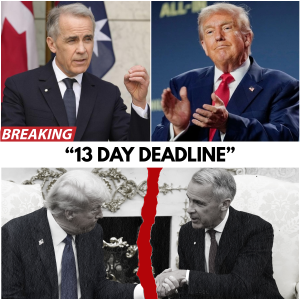
Ottawa — Canada’s response to renewed trade pressure from the United States is taking on a more coordinated and confident tone, as federal and provincial leaders align their messaging and strategy in ways that suggest a shift from reactive diplomacy to deliberate leverage-building.
In recent days, Mark Carney, Canada’s former central bank governor and a key economic voice for the governing Liberals, outlined what allies described as a framework for recalibrating Canada’s position in North American trade. The emphasis was on predictability, market access and resilience — language that stood in contrast to the sharper rhetoric coming from Washington as former President Donald J. Trump renewed tariff threats during the U.S. campaign season.
Shortly afterward, Ontario Premier Doug Ford reinforced the message in characteristically blunt terms, warning that Canada would not “roll over” in the face of economic pressure and would defend key industries if trade measures escalated. The pairing of Carney’s measured strategy and Ford’s combative posture quickly drew attention, both domestically and abroad.
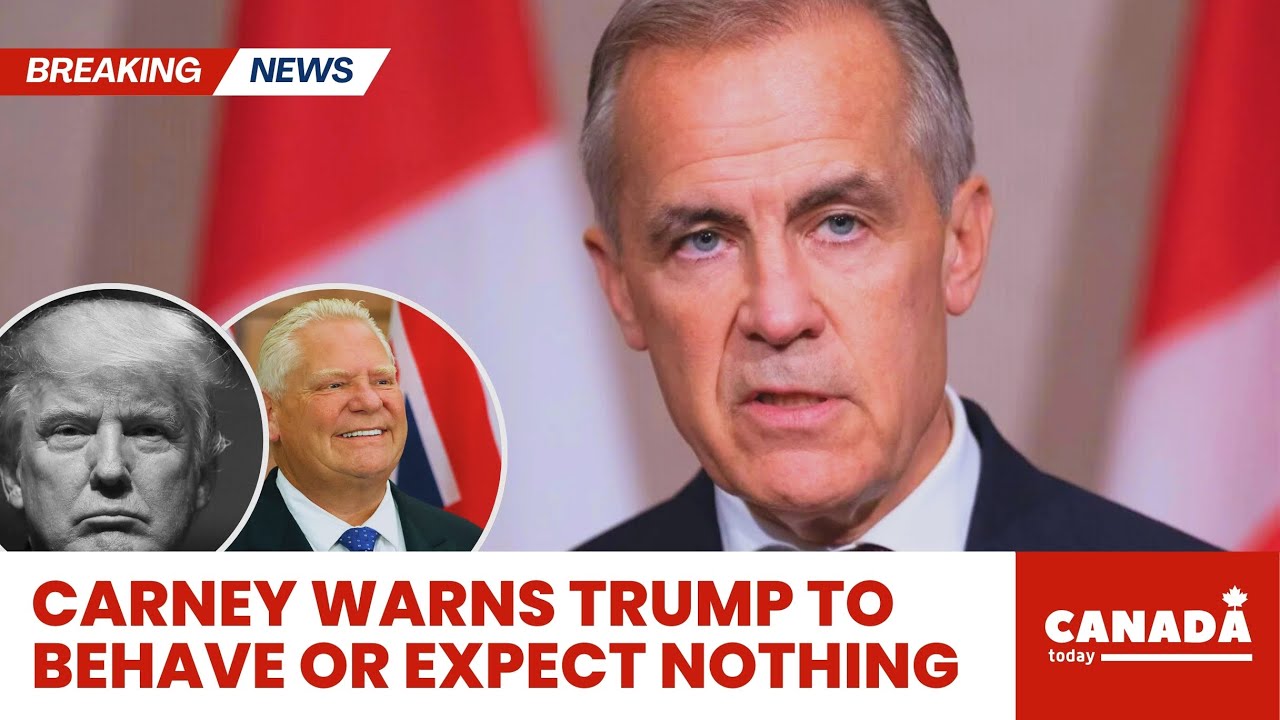
Taken together, analysts said, the moment reflects a rare alignment across levels of Canadian government — one that could complicate assumptions in Washington about how pressure tactics will be received.
“What’s different this time is the coordination,” said a former Canadian trade negotiator. “You’re seeing a calm articulation of long-term strategy paired with a willingness to respond forcefully if needed.”
The substance of the strategy centers on sectors where Canada believes it holds durable leverage: energy exports, steel and aluminum production, automotive supply chains and critical minerals tied to electric vehicles and advanced manufacturing. Canadian officials have repeatedly emphasized that these industries are deeply integrated with U.S. markets, creating mutual dependence rather than one-sided exposure.
In Washington, officials did not publicly respond to the coordinated messaging, but people familiar with U.S. trade discussions said the tone from Ottawa was being noted. “The assumption has often been that Canada will ultimately accommodate,” said one U.S. trade analyst. “This suggests Ottawa is trying to change that perception.”
Canada’s economy is more reliant on trade with the United States than any other G7 country, a reality that has historically constrained its negotiating posture. But recent experience — including tariff disputes during Mr. Trump’s first term and supply-chain disruptions during the pandemic — has reinforced the view among Canadian policymakers that dependence cuts both ways.
Mr. Carney’s remarks emphasized that point indirectly, focusing on stability and rules rather than confrontation. He argued that Canada’s value lies in being a predictable supplier and partner at a time when volatility is rising globally. That framing, supporters say, is designed to reassure markets while signaling resolve.
Mr. Ford’s comments served a different purpose. By publicly rejecting tariff threats and pledging retaliation if necessary, he underscored the political costs of trade escalation for U.S. border states that rely heavily on Canadian commerce. Ontario alone accounts for a large share of cross-border manufacturing trade, particularly in autos.
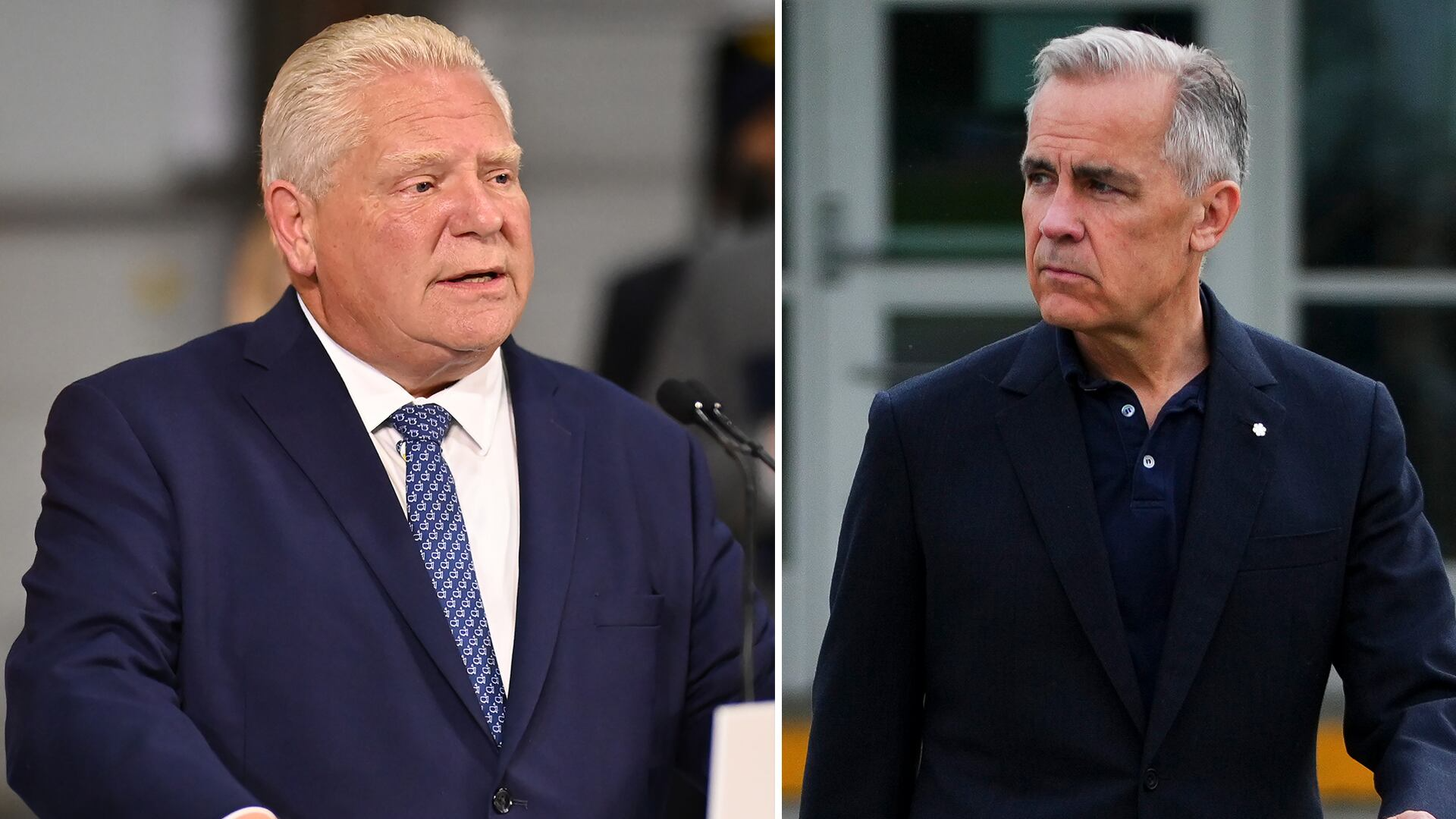
“The message is that this wouldn’t be painless for either side,” said an economist at Queen’s University. “And that message is being delivered both politely and bluntly.”
The reaction online was swift, with commentators framing the moment as Canada “setting terms” rather than responding defensively. Supporters praised the unified front as overdue. Critics warned that open confrontation risks escalation and uncertainty, particularly if U.S. rhetoric hardens into policy.
Still, experts cautioned against overstating the immediacy of change. No formal trade measures have been announced, and existing agreements remain in force. Much of the current tension reflects positioning ahead of potential shifts in U.S. leadership rather than active negotiations.
“The real test will come if rhetoric turns into action,” said a former U.S. trade official. “For now, this is about signaling.”
That signaling, however, may matter. Canada’s approach appears calibrated to influence not just Washington policymakers but also investors and allied governments, presenting Canada as a stable counterweight to unpredictability.
Historically, Canada has sought to manage its relationship with the United States quietly, avoiding public disputes when possible. The current posture suggests a recognition that silence can be mistaken for acquiescence — and that clarity, even when firm, may be a better hedge.

Whether this united front endures remains an open question. Federal-provincial alignment has often proven fragile, particularly when economic pressures mount unevenly across regions. But for now, the convergence of Carney’s strategic framing and Ford’s political messaging has created a sense of purpose that observers say Washington did not expect.
“This isn’t about theatrics,” said a senior Canadian official. “It’s about being clear-eyed about our interests.”
As trade tensions simmer and the U.S. political landscape remains uncertain, Canada appears to be preparing for a relationship defined less by assumptions and more by explicit boundaries. How Washington responds will help determine whether this moment marks a lasting shift — or simply a louder phase in a familiar cycle of cross-border friction.
For now, Canada’s message is measured but firm: partnership remains the goal, but pressure alone will not dictate the terms.