Washington — A dramatic narrative circulated widely this week claiming that the Supreme Court had issued an emergency ruling blocking Congress from carrying out a controversial maneuver during a government shutdown, touching off speculation about a constitutional confrontation and economic fallout. But a review of Supreme Court orders, dockets and public statements shows no such emergency decision has been issued.
The claims, which spread rapidly on social media and cable commentary, described a sudden intervention by the court that “slammed the brakes” on congressional action. Posts framed the moment as a historic rebuke, suggesting lawmakers had approached a constitutional red line and that the justices acted decisively to stop them.
In reality, the Supreme Court has not released an emergency order restraining Congress related to a shutdown or budgetary maneuver. Court officials confirmed that no such ruling appears on the emergency, or “shadow docket,” and no opinions or orders addressing congressional procedure during a shutdown have been filed.

Legal scholars say the scenario described online would be highly unusual. “The Supreme Court does not typically intervene preemptively in internal congressional processes,” said a constitutional law professor at Yale University. “Questions about appropriations and shutdown mechanics are largely political, not justiciable in the way these claims suggest.”
Emergency rulings from the court do occur, but they generally arise from lower-court disputes, requests for stays or injunctions, or time-sensitive constitutional questions tied to active litigation. Any such intervention would be accompanied by a written order, a case caption and a clear procedural posture — none of which exist in this instance.
The claims appear to have conflated broader debates about separation of powers with routine political brinkmanship surrounding shutdown negotiations. During shutdowns, Congress often explores procedural workarounds, some of which generate legal commentary or warnings from scholars. But warnings are not rulings, and speculation is not adjudication.
Despite the lack of confirmation, the narrative gained traction by invoking high stakes and familiar anxieties: institutional breakdown, constitutional crisis and market instability. References to “panic” among lawmakers and to a dire economic warning attributed to Warren Buffett amplified the sense of urgency.
Representatives for Mr. Buffett said no verified public statement had been issued by him regarding a Supreme Court ruling or congressional maneuver during a shutdown. Mr. Buffett has frequently spoken in general terms about the importance of institutional stability and fiscal responsibility, but no comment tied to the circulating claims could be substantiated.
Market behavior also contradicted the story’s premise. Financial markets showed no volatility consistent with a sudden constitutional shock or Supreme Court intervention. Analysts said that while shutdown threats can unsettle investors, an actual court order restraining Congress would have prompted immediate and visible reaction.

“This is the kind of event markets would notice instantly,” said a senior strategist at a New York investment firm. “There was no signal that anything extraordinary had happened.”
The episode highlights a recurring challenge in the current media environment: the compression of complex institutional dynamics into viral narratives that mimic the language of breaking news without the underlying facts. The Supreme Court’s processes are formal and documented; even its emergency actions leave a public trail.
Congressional leaders from both parties declined to comment on the circulating claims, and no lawmaker publicly acknowledged being subject to a court order. Privately, aides said the story was being treated as misinformation rather than a developing legal event.
“People forget that the court can’t just issue a press-release ruling,” said a former Supreme Court clerk. “There has to be a case. There has to be a filing. There has to be jurisdiction.”
The spread of the claim nevertheless reflects deeper unease about governance. Shutdown politics, debt-limit standoffs and partisan brinkmanship have eroded public confidence, making audiences more receptive to stories suggesting imminent institutional collapse.
“That’s the real story here,” said a political scientist at Princeton University. “Not that the court intervened, but that many people believe it could — or would — in such a dramatic way.”
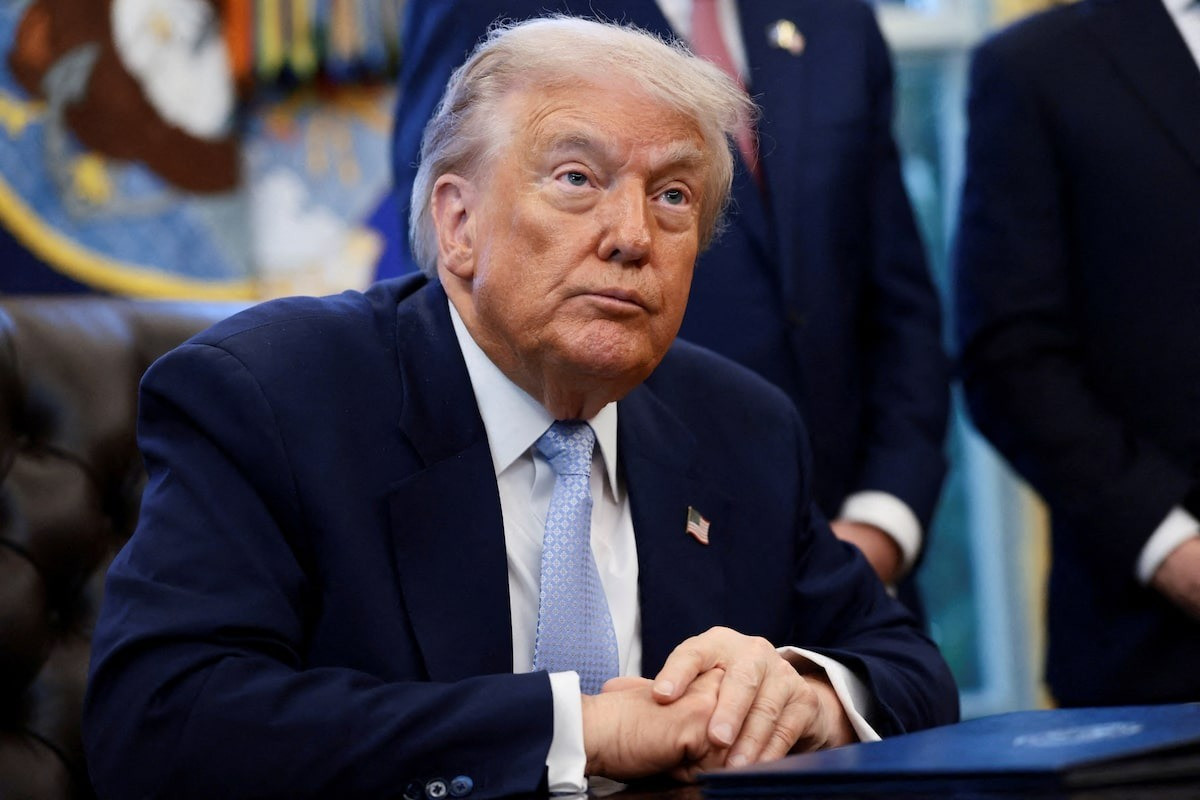
Historically, the Supreme Court has been cautious about inserting itself into direct conflicts between Congress and the executive branch over budgetary matters. When it has ruled on separation-of-powers questions, it has done so through cases that move deliberately through the courts, not through sudden, closed-door interventions.
For journalists and readers, the episode underscores the importance of basic verification. Supreme Court rulings are public, traceable and promptly reported by credentialed court correspondents. When a claim lacks those markers, experts urge skepticism.
As of now, there has been no emergency ruling blocking Congress, no constitutional showdown adjudicated by the court and no extraordinary economic warning tied to such an event. What remains are ongoing political negotiations and familiar debates over fiscal governance.
The claim may fade as quickly as it appeared, replaced by the next surge of speculation. But its brief prominence offers insight into the current moment: a landscape in which trust in institutions is fragile, and dramatic explanations can travel faster than documentation.
In reality, American governance continues to move through process rather than panic. The Supreme Court has not “slammed the brakes” on Congress. And if it ever did, the evidence would not be hidden in whispers — it would be written, filed and unmistakable.