Resurfaced Images of Melania Trump Stir Renewed Debate Over Past Modeling Career
WASHINGTON — As President Trump prepares for his second term following his victory in the 2024 election, old photographs of Melania Trump from her modeling days have once again entered the public discourse, prompting discussions about privacy, media scrutiny and the enduring scrutiny faced by political figures and their families.
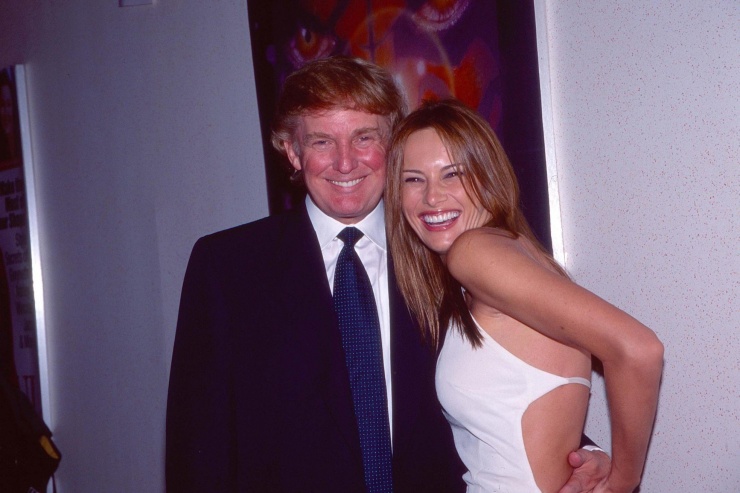
The images in question, which have circulated periodically since Mr. Trump’s first presidential campaign in 2016, originate from professional photo shoots conducted in the late 1990s and early 2000s. One prominent set appeared in the January 2000 issue of British GQ magazine, featuring Ms. Trump — then known as Melania Knauss — in nude and semi-nude poses aboard Mr. Trump’s customized Boeing 727 private jet. The shoot, photographed by Antoine Verglas, depicted her reclining on fur blankets, adorned with diamond jewelry and holding props such as a chrome pistol and handcuffs. Another earlier series, from a 1995 or 1996 spread in the French men’s magazine Max, showed similar artistic nude poses typical of European high-fashion editorials at the time.

These photographs were originally published with Ms. Trump’s consent as part of her established career as a model, which began in her native Slovenia and continued in Milan, Paris and New York. She had signed with agencies and worked professionally before meeting Mr. Trump in 1998. The images were not private leaks but commissioned work for magazines, reflecting the more permissive norms of European fashion photography compared with American standards.
The latest resurgence appears tied to a mix of social media amplification and international media coverage. In November 2024, shortly after Mr. Trump’s reelection, Russian state television aired segments featuring the GQ images during a prime-time program, framing them in a congratulatory yet sardonic context toward the incoming administration. Fact-checking organizations and Western outlets noted that this broadcast recycled previously published material rather than introducing new content. Online, the photos have been shared alongside unsubstantiated rumors, including false claims linking the jet shoot to Jeffrey Epstein’s aircraft — a notion debunked by archives confirming the location as Mr. Trump’s own plane.
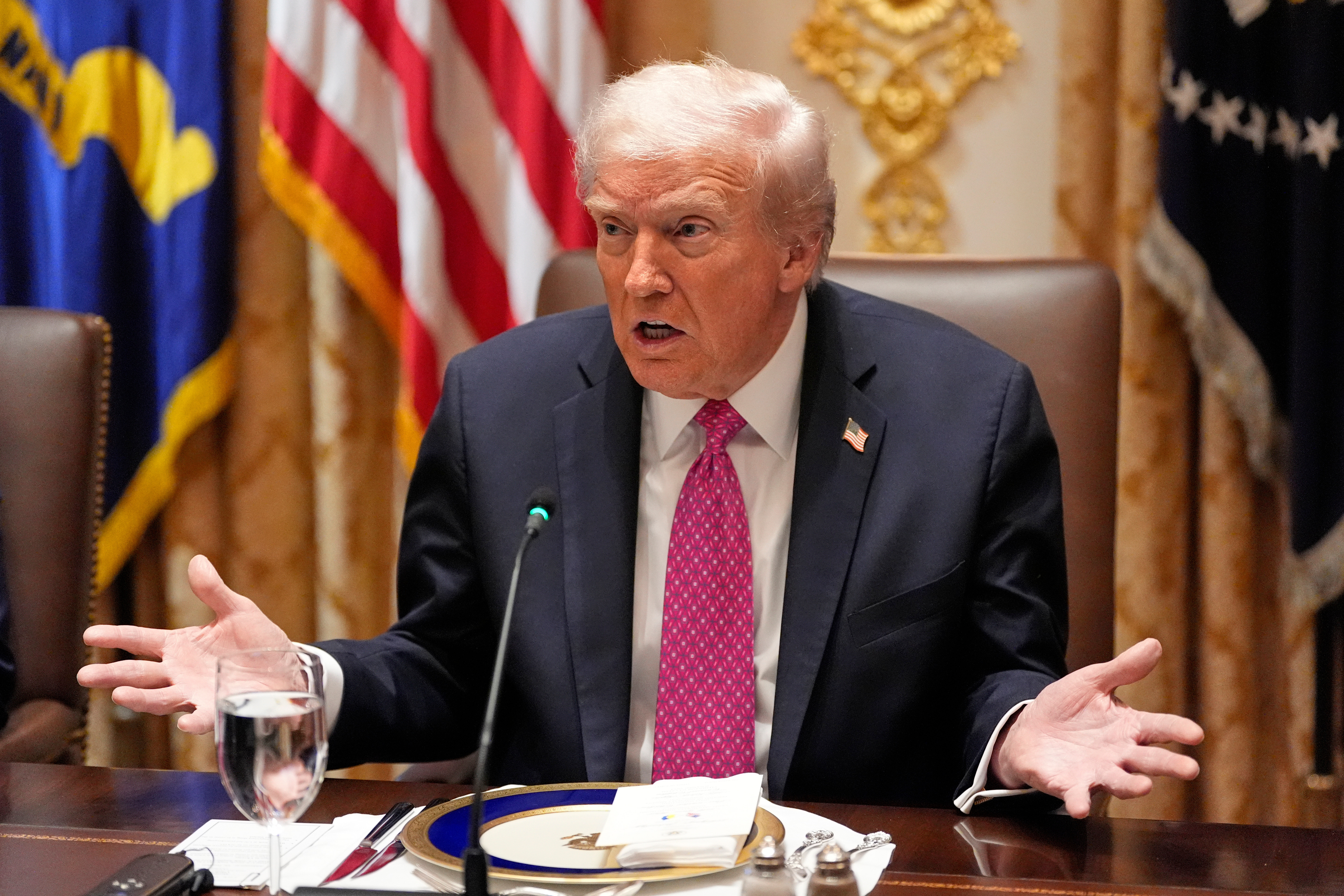
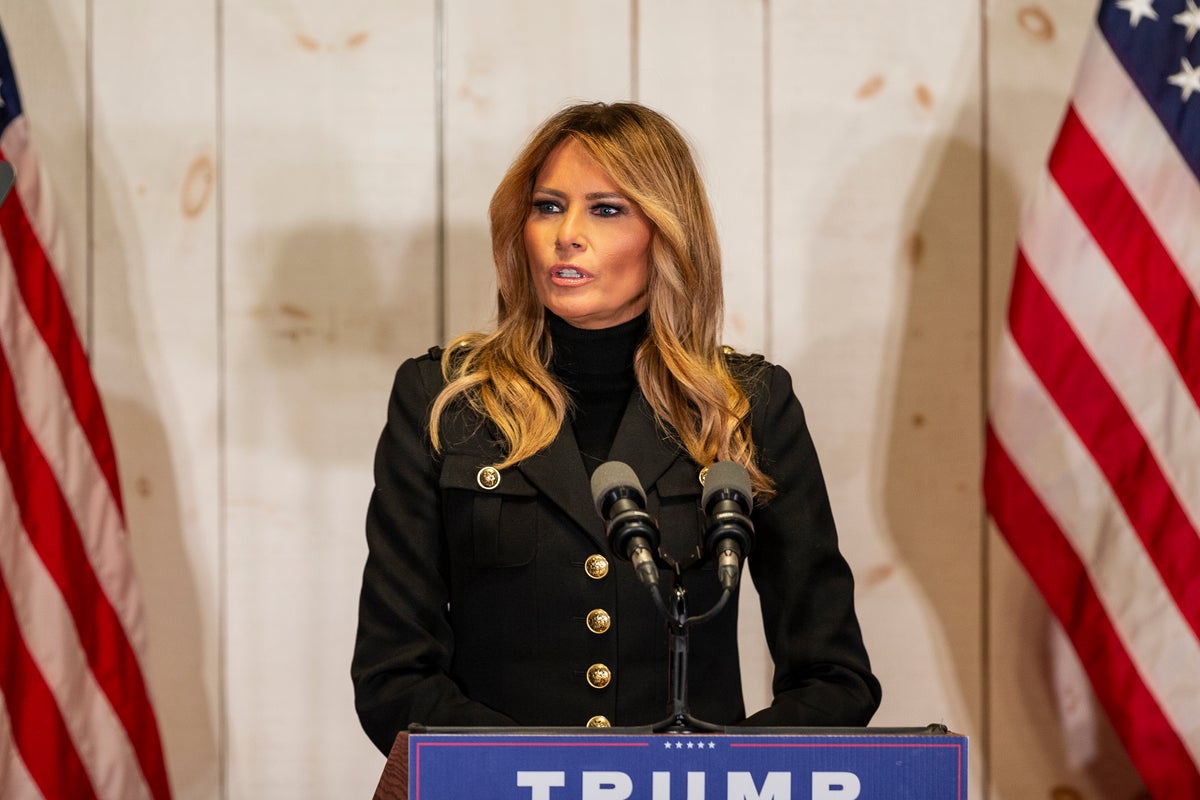
Ms. Trump has addressed her modeling past directly in recent years, most notably in her 2024 memoir, “Melania.” In it, she describes the work as “artistic and tasteful,” emphasizing her pride in celebrating the human form. “Why should I feel shame?” she wrote, arguing that nudity in fashion contexts has historical precedent in art and is commonplace in Europe. She has criticized media outlets for what she views as hypocritical scrutiny, particularly during political campaigns, and has successfully pursued libel suits against publications that insinuated her work involved anything beyond professional modeling.
Sources close to the Trump family indicate that both the president and former first lady view these periodic resurfacings as predictable attempts to distract from policy priorities. Mr. Trump has previously dismissed such stories as “fake news” or politically motivated attacks, though he has also publicly defended his wife’s career, once requesting framed prints from the GQ shoot for his office. Insiders describe Ms. Trump as composed but privately frustrated by the repeated invasions of her pre-political life, preferring to focus on initiatives like online safety for children, as evidenced by her support for the Take It Down Act.
The episode underscores broader questions about the boundaries of public interest in the personal histories of political spouses. While some critics argue that past professional choices warrant examination in the context of public office, supporters contend that consensual, legal work from decades ago should not define a person’s current role. Historians note that first ladies have long navigated scrutiny — from Jacqueline Kennedy’s fashion choices to Michelle Obama’s arms — but the digital age has intensified the cycle of resurfaced material.
As the Trumps return to the White House in January 2026, aides suggest Ms. Trump intends to maintain a lower public profile than in her first term, prioritizing select causes over constant media engagement. Yet the persistence of these images serves as a reminder that, in an era of endless online archives, the past remains perpetually present for those in the national spotlight.
Public reaction has been polarized, with conservative commentators decrying the coverage as sexist and outdated, while others on the left highlight perceived double standards in political discourse. Social media trends have amplified the images, but fact-checkers have worked to contextualize them, stressing their origins in legitimate publications.
Ultimately, the controversy appears unlikely to alter the trajectory of the incoming administration. As one former White House official observed, such stories have become routine in the Trump era, often fading quickly amid larger news cycles. For Ms. Trump, now 55, the focus remains on forging her own path in a role that has evolved significantly since her first tenure.