Amid Legal Skirmishes, Federal Courts Issue Key Rulings on Trump Policies as Tensions Rise
WASHINGTON — In a flurry of decisions that underscore the intensifying clash between the executive branch and the judiciary, federal courts across the country have handed down a series of rulings this week challenging aspects of President Donald J. Trump’s early agenda. While supporters of the president decry what they see as judicial overreach, legal experts view the developments as a predictable continuation of the legal battles that defined Mr. Trump’s first term, amplified by heightened rhetoric and threats against judges.
The activity peaked on Wednesday, when the U.S. Court of Appeals for the District of Columbia Circuit extended an administrative stay on a lower court order related to the Trump administration’s deployment of National Guard troops in Washington. The move came amid emergency filings from the administration, which argued that removing the troops could compromise security in the capital. Separately, a federal judge in California signaled openness to striking down a Trump policy on third-country deportations, potentially blocking swift removals of migrants to nations other than their origin. In another case, appellate judges in the Ninth Circuit mulled challenges to Mr. Trump’s efforts to dismantle federal labor unions, with preliminary injunctions already issued in over a dozen instances citing “retaliatory animus.”
These rulings, spanning immigration, national security and labor rights, reflect a broader pattern: Since Mr. Trump’s inauguration in January 2025, his administration has faced more than 15 nationwide injunctions, according to a Brennan Center for Justice analysis. Some, like a recent decision vacating an injunction against a provision in the so-called Big Beautiful Bill barring Medicaid funds for abortions, have favored the White House. A three-judge panel in the First Circuit, all appointed by President Biden, ruled that the measure was not punitive but a legitimate policy shift, allowing funds to be redirected from Planned Parenthood affiliates.

Yet the pace of litigation has fueled alarm. Online narratives, amplified by viral posts on platforms like X (formerly Twitter), have portrayed these as a “judicial earthquake” — a coordinated strike by judges across circuits issuing emergency rulings and contempt threats against Mr. Trump for alleged defiance of court orders. One widely shared thread claimed “federal judges moved almost simultaneously, slamming T.R.U.M.P with expanded bans and looming investigations,” complete with dramatic emojis and warnings of a “full-blown constitutional showdown.” Fact-checkers, however, have found no evidence of such synchronization; instead, the cases stem from independent challenges filed by advocacy groups and states.
Behind the scenes, insiders familiar with the administration’s strategy, speaking on condition of anonymity to discuss internal deliberations, described a war room atmosphere at the Justice Department. Officials are prioritizing appeals to the Supreme Court, where a conservative majority has historically been sympathetic to executive authority. “It’s not a freak-out; it’s strategic pushback,” one source said, noting Mr. Trump’s public outbursts on Truth Social, where he labeled dissenting judges “rogue” and accused them of “unchecked overreach.”
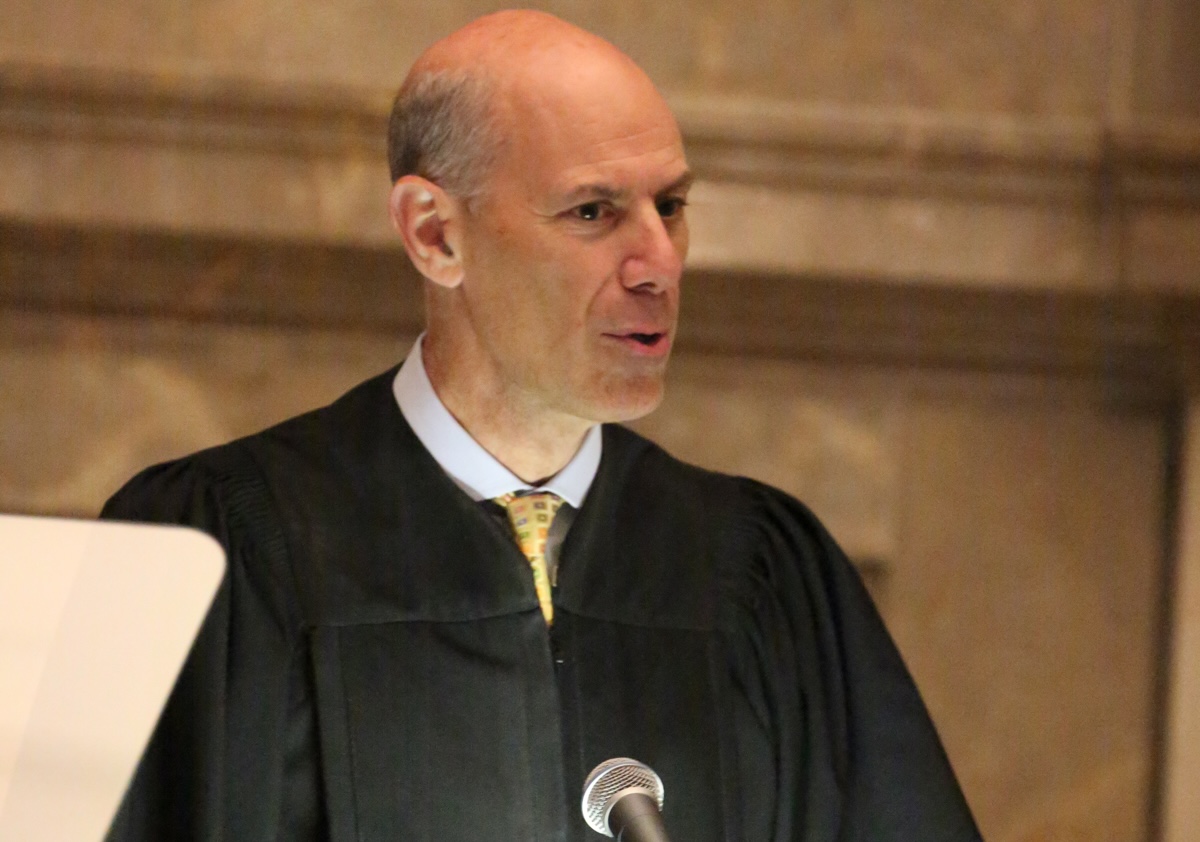
The rhetoric has real consequences. Threats against federal judges have surged, with the U.S. Marshals Service reporting 562 incidents as of September 2025 — already topping the previous year’s total. Judges who ruled against Trump policies, including those on immigration and environmental regulations, have faced doxxing, bomb threats and swatting attacks, according to Reuters investigations. Chief Justice John G. Roberts Jr. has publicly decried such intimidation, warning in his year-end report that it undermines judicial independence.
Critics, including Republican lawmakers, have responded with legislative action. On Wednesday, the House passed the No Rogue Rulings Act, sponsored by Representative Darrell Issa of California, limiting district courts’ ability to issue nationwide injunctions. The bill, which passed 219 to 213 along party lines, aims to curb what Republicans call “judge shopping” by plaintiffs seeking favorable venues. “We’ve got the votes,” Mr. Issa told reporters, echoing sentiments from the Trump era when similar measures were floated but stalled.
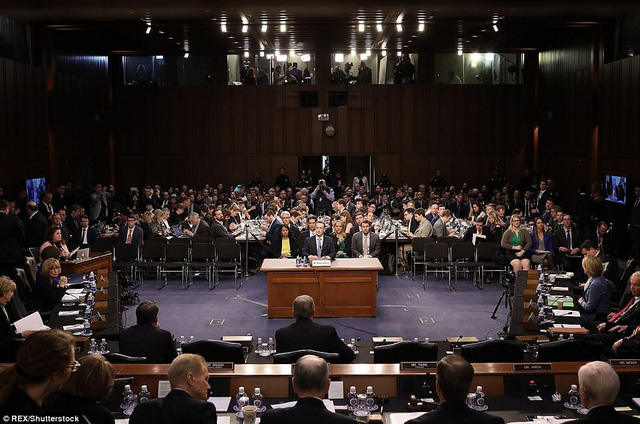
Legal scholars caution that this push could erode the checks and balances enshrined in the Constitution. “These aren’t earthquakes; they’re the judiciary doing its job,” said Hany Farid, a professor at the University of California, Berkeley, who studies misinformation. “But in a polarized climate, routine rulings get spun into scandals.”
As the cases head to higher courts, the coming months could define the balance of power. For now, the online frenzy continues, with clips and analyses trending across cable news and social media. The internet can’t stop talking about it — but separating fact from hyperbole remains key.