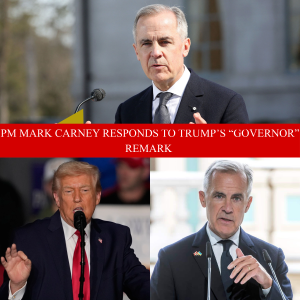
Trump Halts Canada Trade Talks, Triggering Shockwaves Across North America’s Supply Chains
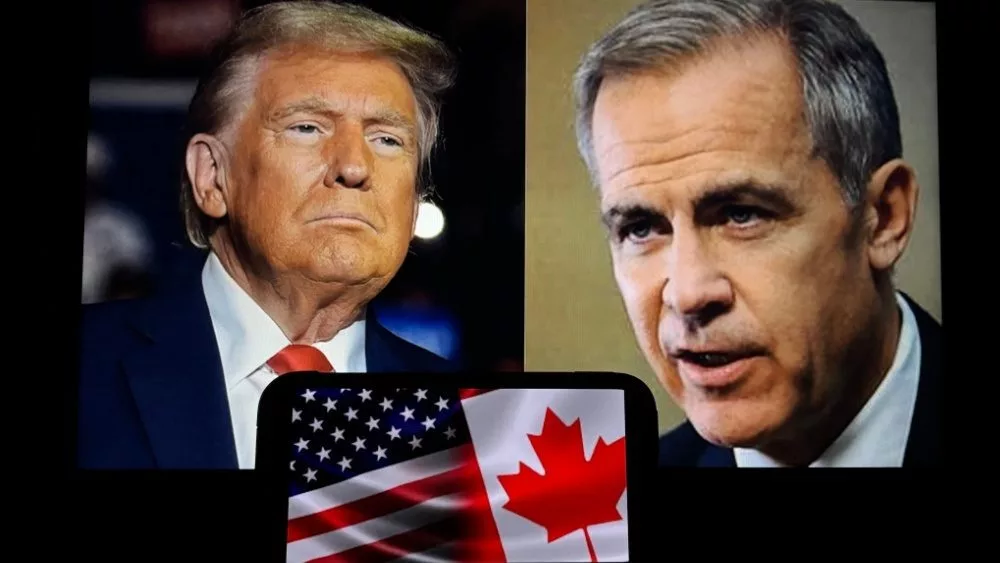
President Donald Trump sent markets reeling after announcing—via a brief social media post—that the United States was terminating all trade negotiations with Canada. There was no formal briefing, no diplomatic warning. Within minutes, a decades-old economic partnership that underpins North American manufacturing was thrown into uncertainty, rattling investors and policymakers alike.
The trigger was unexpected. Ontario’s provincial government had launched a $75 million anti-tariff advertising campaign featuring a digitally restored voice of former President Ronald Reagan criticizing protectionism. Trump denounced the ad as “fake” and accused Canada of crossing a line. Soon after, he announced a new 10% tariff increase on Canada and declared trade talks over, turning a regional political message into a full-scale economic confrontation.
Markets reacted swiftly. Clean energy and electric vehicle stocks slid more than 4% as analysts warned of immediate disruptions to supply chains dependent on Canadian raw materials. For decades, U.S. industries—from autos and defense to semiconductors—have relied heavily on Canadian minerals. Suddenly, that flow was no longer guaranteed.
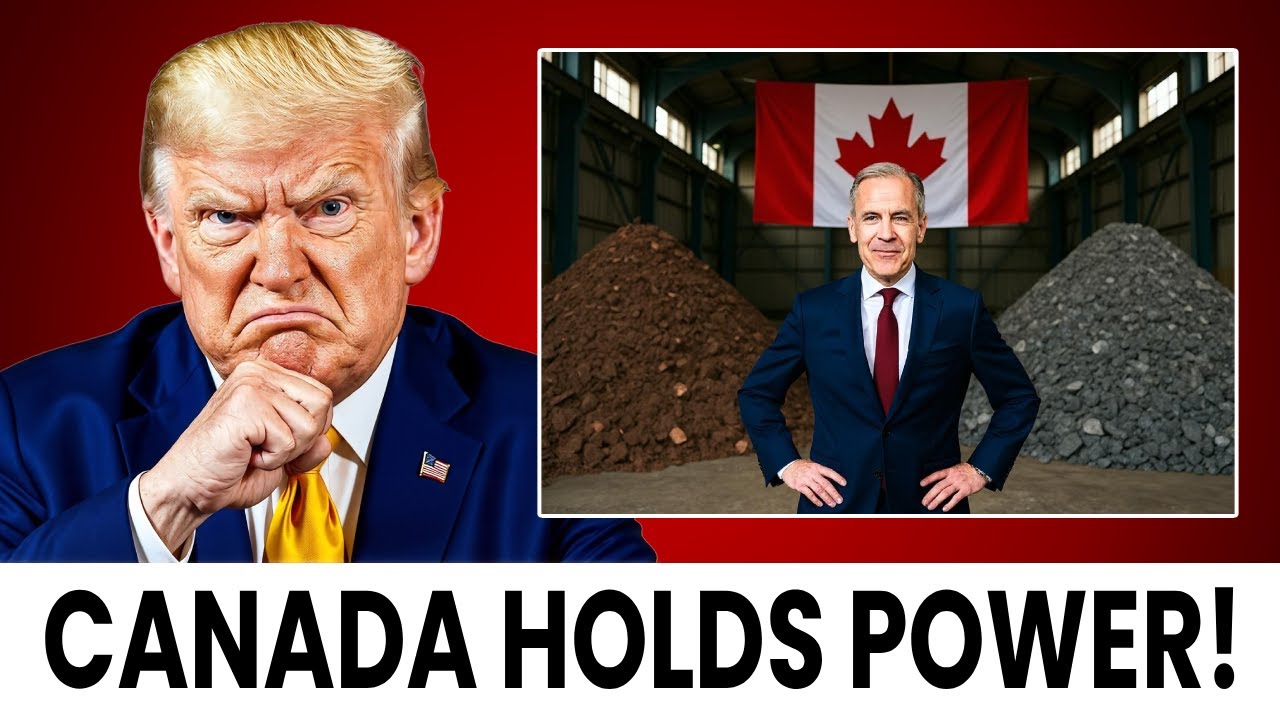
Canada is not just another trading partner. It is one of the world’s most critical democratic suppliers of lithium, nickel, cobalt, copper, and rare earth elements—materials essential for EV batteries, radar systems, and advanced weapons. In 2023 alone, Canada exported nearly $30 billion in critical minerals to the U.S., supplying a majority share of several materials the Pentagon classifies as vital to national security.
By freezing negotiations, Washington effectively disrupted its own industrial backbone. Economists described the move as locking the U.S. out of a supply chain it helped build. Within weeks, lithium and cobalt prices jumped 12–18%, battery costs rose by up to $1,500 per vehicle, and factories in states like Michigan and Texas reported production slowdowns of up to 20%.

While Washington paused, Ottawa pivoted. Prime Minister Mark Carney responded not with retaliation, but with diversification. Canada rapidly expanded mineral and trade partnerships with India, Germany, Japan, and the European Union, laying the groundwork for what analysts now call a “Western Mineral Network.” Major global firms increased investments in Ontario and Quebec, strengthening Canada’s role as a stable hub for clean-energy resources.
The contrast has been stark. As Canada secured long-term supply contracts and launched a $122.5 billion clean-minerals transition fund, U.S. manufacturers were forced to seek riskier alternatives in Indonesia, the Philippines, and the Democratic Republic of Congo. By late 2025, profits across America’s high-tech manufacturing sector had fallen nearly 7%, with supply costs rising and investor confidence slipping.
Trump’s decision has exposed a deeper vulnerability in the “America First” trade strategy. By severing ties with its closest ally, the U.S. didn’t just lose leverage—it revealed how dependent its economy remains on integrated supply chains. As Canada consolidates influence over a growing share of G7 critical minerals, the center of Western industrial power is quietly shifting north, leaving Washington facing higher costs, longer delays, and a rapidly changing global trade landscape.