Jack Smith Defends Trump Prosecutions in Closed-Door House Testimony
WASHINGTON — In a marathon closed-door deposition lasting more than eight hours on Wednesday, former special counsel Jack Smith vigorously defended his now-dismissed federal prosecutions of President Trump, asserting that his team had amassed “proof beyond a reasonable doubt” that Mr. Trump engaged in a criminal scheme to overturn the 2020 election and “powerful evidence” that he willfully retained classified documents while obstructing efforts to recover them.
Mr. Smith, appearing under subpoena before the Republican-led House Judiciary Committee, delivered an opening statement that set a resolute tone. “The decision to bring charges against President Trump was mine,” he said, according to excerpts obtained by multiple news organizations, “but the basis for those charges rests entirely with President Trump and his actions.” His voice steady and methodical, Mr. Smith, a veteran prosecutor known for his unflinching demeanor, emphasized that politics played no role in his work, countering longstanding Republican accusations of partisan bias.
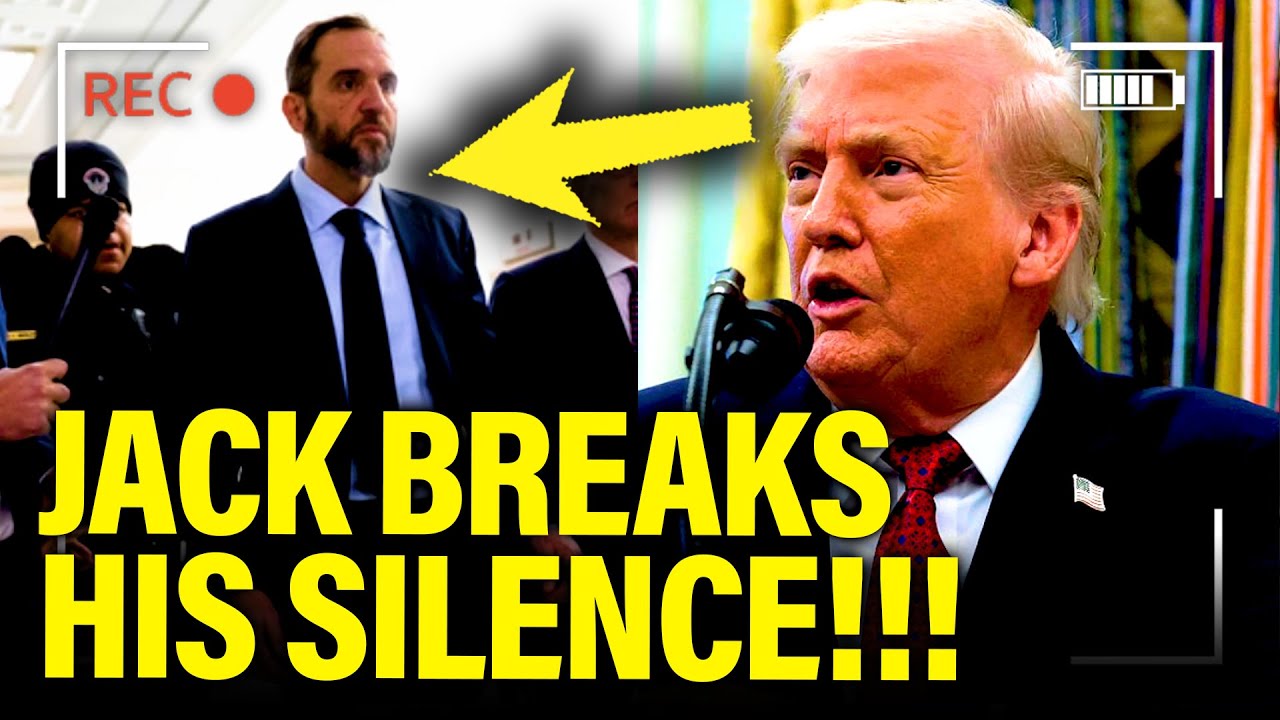
The session, held in a secure room in the Rayburn House Office Building, was intended by Republicans as an opportunity to scrutinize what they have called a “weaponized” Justice Department under the Biden administration. Committee Chairman Jim Jordan, Republican of Ohio, had rebuffed Mr. Smith’s earlier offer to testify publicly, opting instead for a private format that allowed extended questioning but limited immediate public scrutiny.
Inside the room, the atmosphere was tense but controlled. Republican lawmakers pressed Mr. Smith on investigative steps, including his team’s lawful subpoenas for phone records of several GOP members of Congress around Jan. 6, 2021 — records that included only metadata, not content. Mr. Smith defended these as “relevant to complete a comprehensive investigation,” his expression impassive as he corrected what he described as mischaracterizations. Sources familiar with the proceedings said some Republicans appeared frustrated, shifting uncomfortably in their seats as Mr. Smith methodically rebutted claims of overreach.
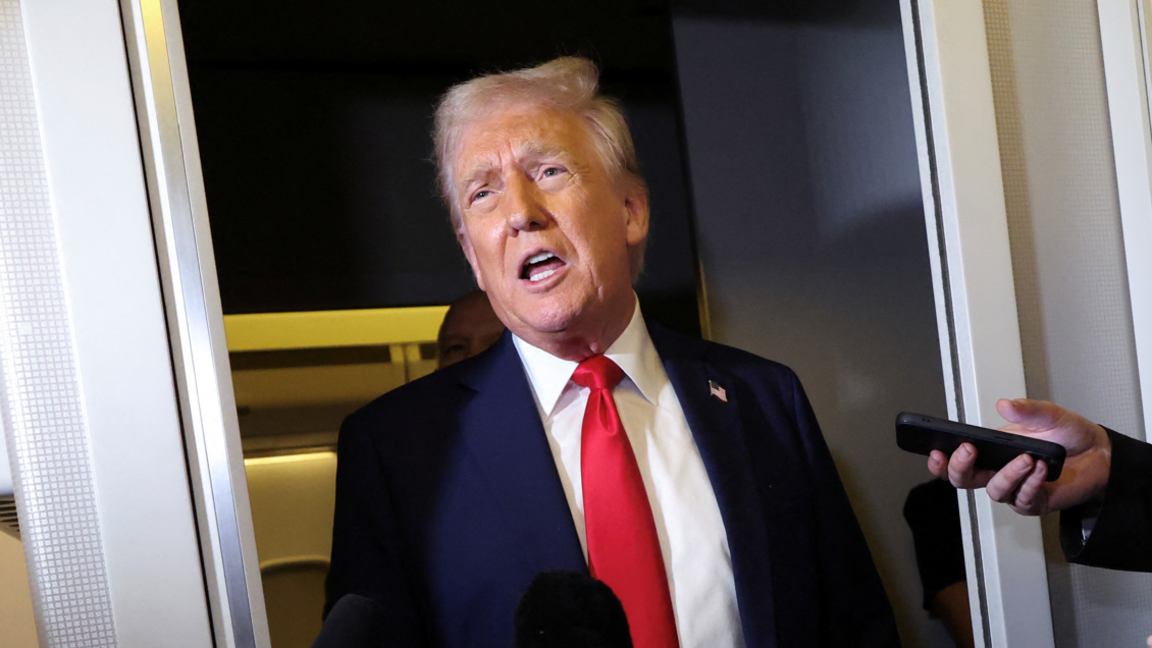
Democrats on the panel, by contrast, emerged energized. Representative Jamie Raskin of Maryland, the ranking member, told reporters that a public hearing would have been “absolutely devastating to the president and all the president’s men involved in the insurrectionary activities” of Jan. 6. His face flushed with conviction, Mr. Raskin added that Mr. Smith had “answered every single question to the satisfaction of any reasonable-minded person.” Representative Pramila Jayapal of Washington described Mr. Smith’s account of Mr. Trump’s conduct as potentially “catastrophic” for American democracy, her tone grave as she noted the former president’s efforts to subvert the election could have unraveled constitutional norms.
Mr. Smith detailed key findings from his investigations. In the election interference case, he told lawmakers his team had developed evidence proving beyond a reasonable doubt that Mr. Trump participated in a conspiracy involving fake electors, pressure on state officials, and exploitation of the Jan. 6 Capitol attack. For the classified documents probe, Mr. Smith recounted “powerful evidence” that Mr. Trump knowingly retained highly sensitive materials after leaving office — including nuclear-related documents — storing them insecurely at Mar-a-Lago, even in a ballroom and bathroom where events were held, and obstructing FBI recovery efforts.
“If presented with the same evidence,” Mr. Smith reportedly said at one point, “I would prosecute again — regardless of the individual’s political affiliation.” The remark drew sharp glances from Republicans, underscoring the ideological divide.

Outside the room, Mr. Smith’s lawyer, Lanny Breuer, praised his client’s composure amid what he called an “unprecedented retribution campaign” by the incoming administration. Mr. Breuer, visibly protective, told reporters: “Any objective person who listened today would know without a doubt that Jack Smith’s investigation was based purely on the facts and the law and nothing more.”
Fragments of Mr. Smith’s testimony quickly leaked, fueling online speculation and partisan commentary, though no full transcript has been released. The cases against Mr. Trump — one alleging election subversion and the other mishandling of classified information — were dropped following his 2024 reelection, citing Justice Department policy against prosecuting a sitting president.
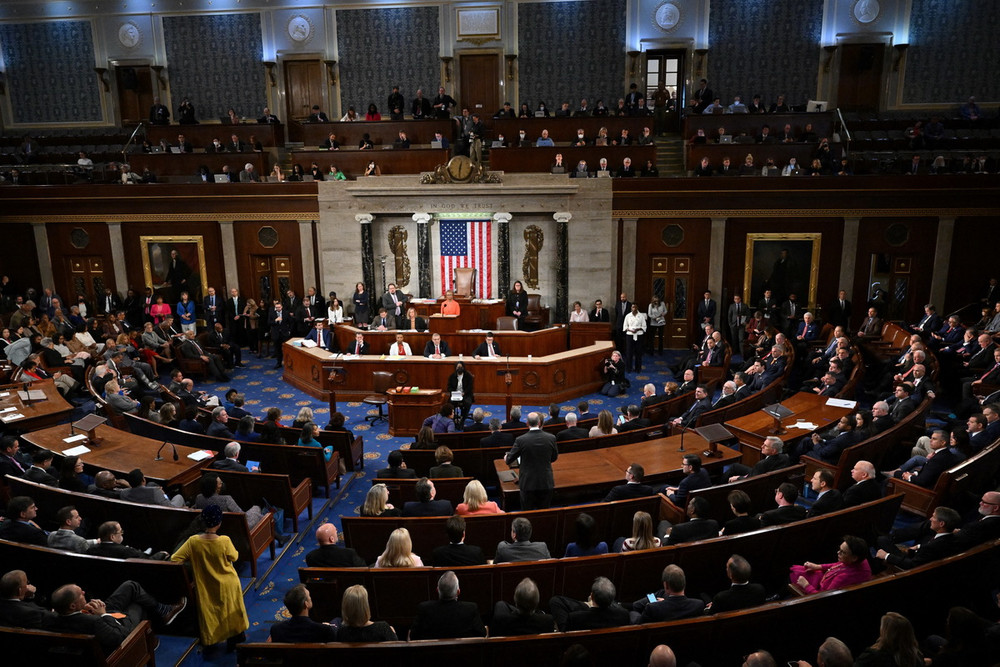
As Mr. Trump prepares for his second term, the deposition highlights lingering tensions over accountability for his post-2020 actions. Republicans, while extracting concessions on process, appeared unable to land decisive blows on Mr. Smith’s credibility. Democrats, meanwhile, lamented the closed format, arguing it shielded the public from hearing unfiltered evidence of presidential misconduct.
The hearing concluded without overt acrimony, but its echoes are likely to resonate as Congress navigates oversight in a new era of divided government.