Trump–Canada Trade War Sparks Economic Shock as Mark Carney Pushes Back With Calm Resolve
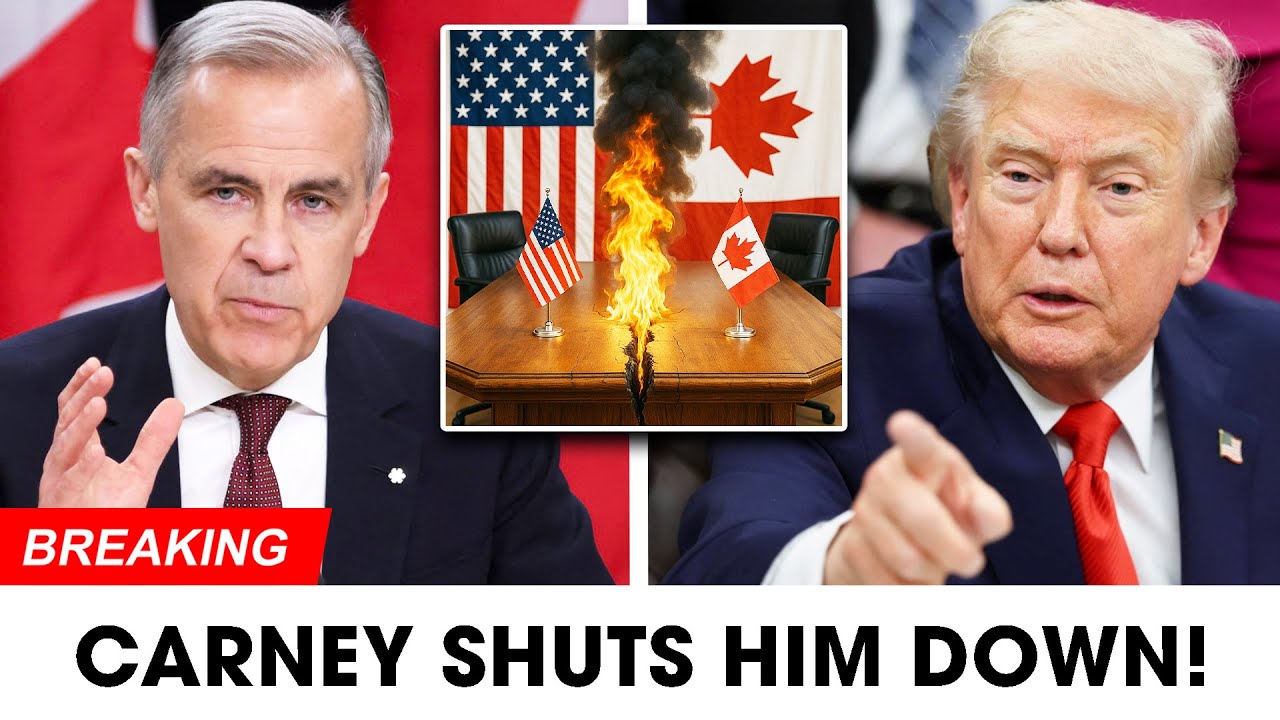
Donald Trump has ignited a dangerous rupture in the most stable economic relationship in the world, turning America’s closest ally into a political target. By escalating trade threats against Canada, Trump has shaken investor confidence and exposed how fragile North America’s economic framework becomes when governed by impulse rather than rules.
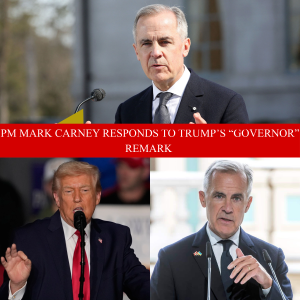
At the center of the confrontation stands Mark Carney, former governor of both the Bank of Canada and the Bank of England. Instead of responding with insults or brinkmanship, Carney has met Trump’s aggression with restraint, data-driven arguments, and an unwavering commitment to rule-based trade—an approach that only appears to intensify Trump’s fury.
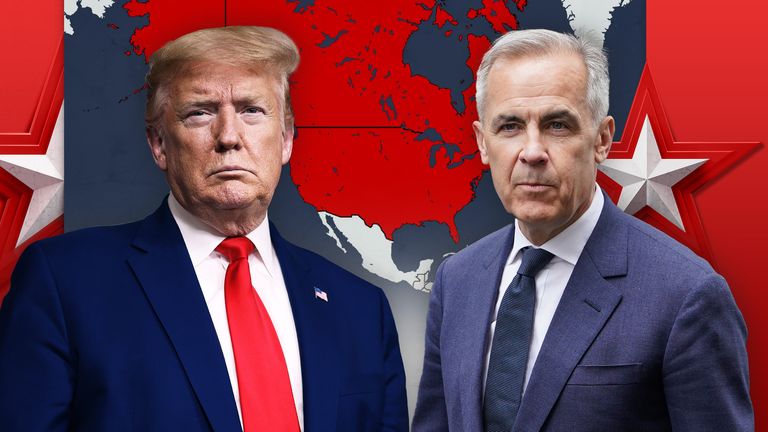
This is not a routine trade dispute over dairy, lumber, or steel. It is a warning sign of a deeper fracture. Canada is the United States’ largest buyer of goods, more than China, Japan, and the United Kingdom combined, and a partner that has stood alongside America in war, security, and economic integration for generations.
Since returning to office in January 2025, Trump has revived an “America First” strategy rooted in coercion rather than cooperation. Tariff threats have already disrupted auto plants in Michigan, driven up housing costs tied to Canadian lumber, and damaged Florida’s tourism sector as Canadian visitors pull back. The economic pain is landing squarely on American workers and consumers.
Carney’s refusal to accept unilateral U.S. tariff powers marked a turning point. When Canada began exploring deeper trade ties with Europe and the Pacific to protect itself, Trump framed the move as betrayal. In reality, it was a rational hedge—one that underscores how unpredictability in Washington is pushing allies to diversify away from the United States.

The backlash inside America has been striking. Business groups have filed lawsuits challenging Trump’s tariff authority, and prominent conservative voices, including veteran strategist Steve Schmidt, have condemned the attacks on Canada as reckless and economically destructive. Even legal scholars warn the administration may be overstepping constitutional limits.
Politically, the stakes are rising fast. With prices climbing in key swing states and memories of the 2018 trade war still fresh, Trump faces growing resistance from farmers, manufacturers, and moderate Republicans. Democrats are poised to weaponize the issue, portraying Trump as a destabilizing force willing to sacrifice allies and domestic prosperity alike.
What is unfolding goes far beyond bilateral trade. It is a stress test of whether the global economy will be governed by rules or raw power. As courts weigh Trump’s authority and markets brace for fallout, the outcome could redefine U.S.–Canada relations—and set a precedent that reshapes democratic governance and global trade for years to come.