🚨 Europe’s Silent Energy Shock: How a $53 Billion Copper Deal Handed Canada the Upper Hand
Something decisive just happened beneath the surface of Europe’s clean-energy transition, and it barely registered in the headlines. While public attention fixated on elections, wars, and climate pledges, a $53 billion mining merger quietly rewired who controls the West’s copper supply—a material Europe cannot function without.
In September 2025, Anglo American and Teck Resources announced a blockbuster merger that markets largely dismissed as routine consolidation. Investors talked about efficiencies and synergies, then moved on. European policymakers did not. For them, the deal landed at a moment when internal assessments were already warning that Europe’s copper strategy was breaking down.
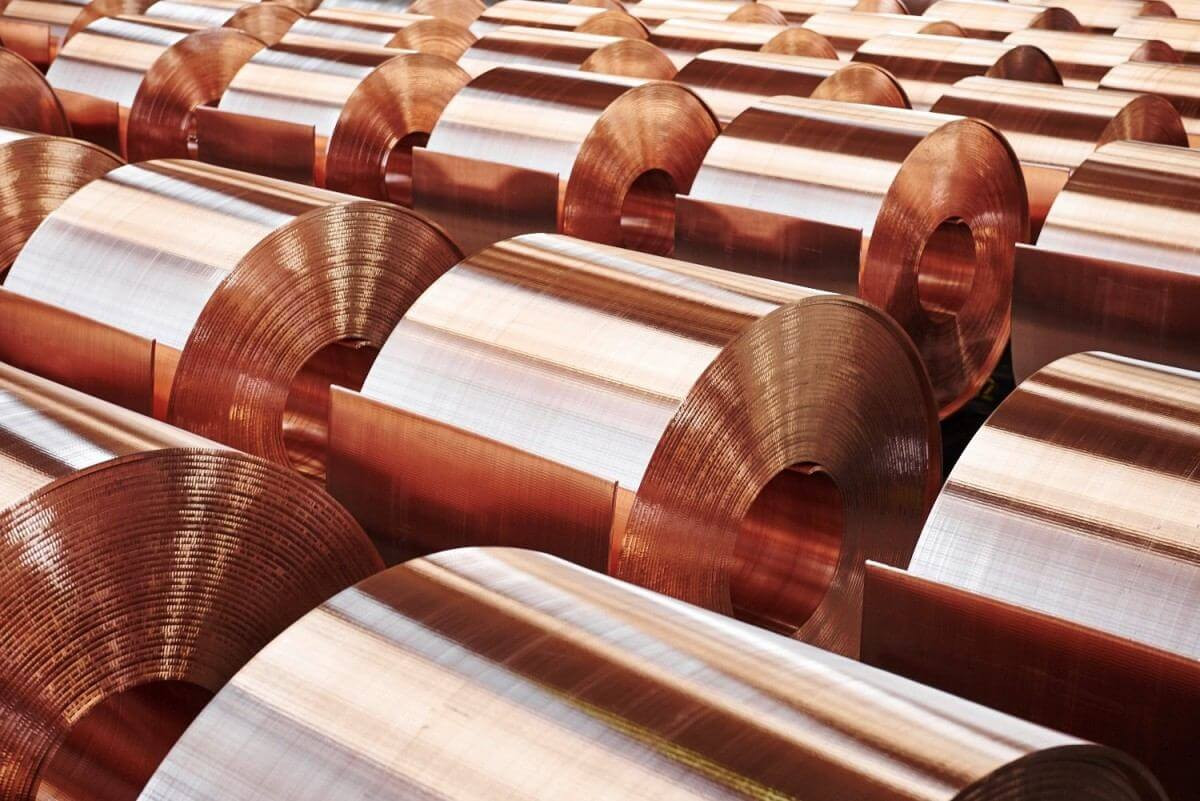
Copper is the backbone of Europe’s green ambitions. Wind turbines, electric vehicles, charging networks, data centers, heat pumps, and modern power grids all depend on massive copper volumes. Demand is projected to double by the mid-2030s—and in some sectors, triple. Yet Europe lacks the ability to mine enough copper domestically, with permitting delays, land constraints, and public opposition blocking meaningful expansion.
For years, Brussels assumed copper could be sourced globally without risk. That assumption collapsed. Political instability in Chile and Peru disrupted supply forecasts. African producers raised governance and transparency concerns European governments struggle to defend publicly. China’s dominance in copper refining triggered alarms after the Russian gas crisis proved how dangerous strategic dependence can become.
As Europe’s options narrowed, Canada’s position strengthened. Without grand announcements, Canada invested in infrastructure, regulatory clarity, indigenous partnerships, and scalable mining operations. The difference was not just copper reserves, but predictability—auditable rules, transparent environmental standards, and long-term stability European leaders could justify to voters and parliaments alike.
The merger crystallized that reality. Consolidating Western copper capacity under Canadian leadership transformed the deal from a corporate event into a geopolitical signal. German, French, and Nordic officials began quietly securing long-term supply agreements. In Berlin, where memories of Russian gas dependency still linger, a new equation emerged: copper security equals energy security.
Across the EU, procurement strategy shifted from diversification to alignment. European manufacturers and governments began locking in Canadian copper through 2050, prioritizing reliability over short-term price advantages. Battery makers invested directly in Canadian projects. Financial institutions explored funding infrastructure that anchors supply chains firmly in Canadian jurisdictions.
This quiet realignment carries lasting consequences. Copper is no longer just a commodity—it is strategic infrastructure. By offering stability rather than coercion, Canada earned structural influence over Europe’s energy future. The $53 billion merger most of the world overlooked did more than reshape mining—it repositioned power. And in a fractured global economy, trust and reliability now matter more than size alone.